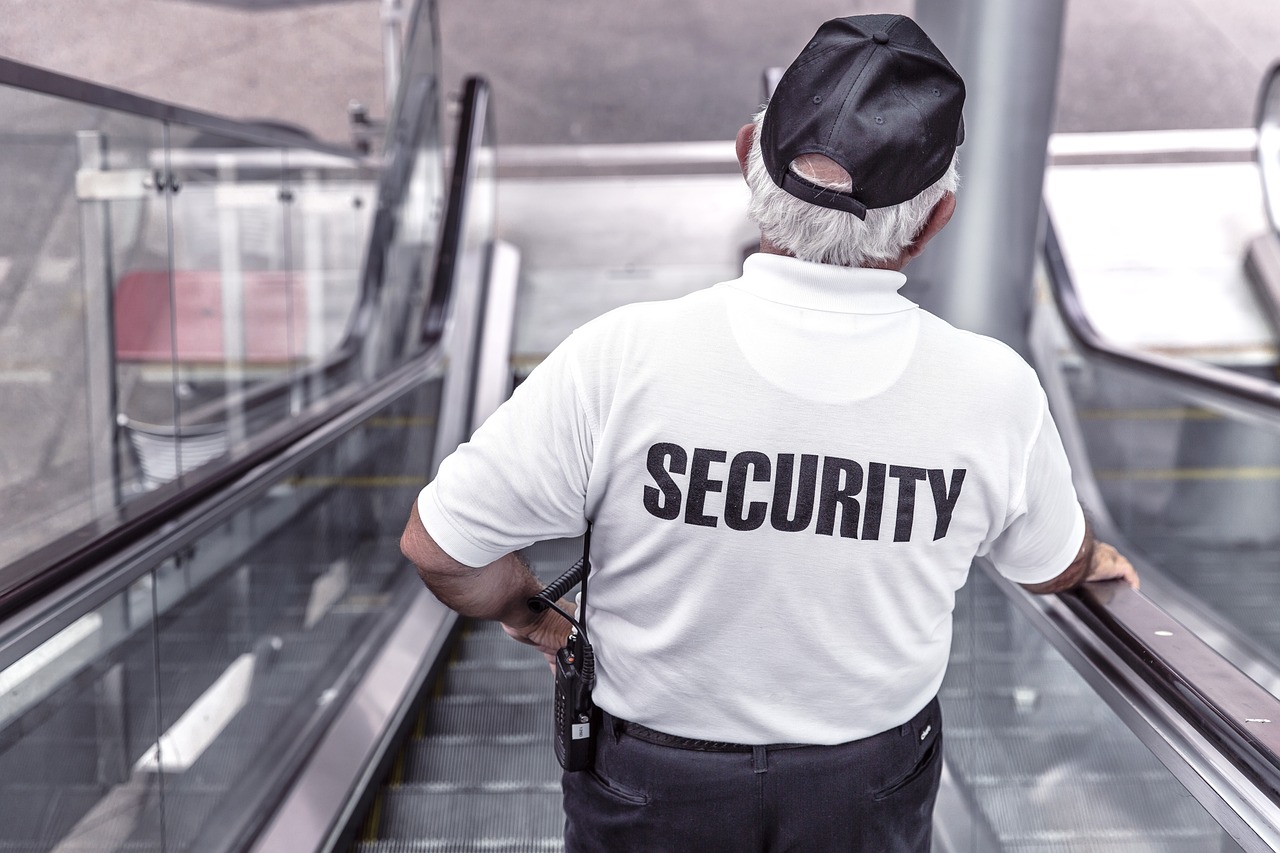
Many businesses automatically assume armed security provides superior protection compared to unarmed alternatives. However, unarmed security personnel offer numerous advantages, making them the better choice for most commercial, retail, and residential applications. Understanding these benefits helps business owners make informed security decisions aligned with their actual needs, operational environments, and risk profiles.
Unarmed security guards offer professional protection while maintaining an approachable presence that supports positive business atmospheres. The absence of firearms doesn't diminish security effectiveness when guards receive proper training in observation, communication, and de-escalation techniques. This comprehensive analysis examines seven compelling reasons why unarmed security often represents the optimal choice for business protection.
1. Lower Insurance Premiums and Liability Exposure
Insurance companies charge significantly higher premiums for businesses that employ armed security due to the increased liability risks associated with firearms. Weapons introduce potential for accidental discharges, improper use, or deadly force situations, creating substantial legal and financial exposure. These elevated insurance costs often exceed any security benefits armed guards might provide.
Liability claims involving armed security typically result in larger settlements and judgments than those involving unarmed security. Juries tend to award more serious damages when firearms are involved, particularly in wrongful death or severe injury cases. This reality makes unarmed security financially prudent for most businesses seeking to minimize long-term risk exposure.
Regulatory compliance becomes simpler with unarmed security personnel. Fewer restrictions govern unarmed guard operations than armed security, which is subject to extensive regulations on weapons storage, transportation, and use. Simplified compliance reduces administrative burden while avoiding potential violations carrying severe penalties.
2. Enhanced Customer Comfort and Welcoming Atmospheres
Visible firearms create intimidating environments that can discourage customers from visiting businesses. Retail establishments, medical facilities, and hospitality venues particularly benefit from unarmed security, which helps maintain welcoming atmospheres while providing professional protection. Customer comfort directly impacts sales, satisfaction, and repeat business.
Children and families feel more at ease in spaces protected by unarmed security personnel. Parents naturally hesitate to bring children to locations where armed individuals are present, even when those individuals provide security services. Family-friendly businesses benefit tremendously from approachable security presences.
Elderly customers and individuals with trauma histories may experience anxiety around firearms regardless of context. Unarmed security allows these populations to feel safe and comfortable rather than triggering stress responses that firearms might provoke. Inclusive security approaches serve all customer demographics effectively.
3. Emphasis on De-Escalation and Conflict Resolution
Unarmed security training emphasizes communication skills, conflict resolution, and de-escalation techniques rather than tactical responses involving weapons. This focus creates security personnel skilled at preventing problems through verbal intervention rather than responding with force. Many security situations resolve peacefully through professional communication, a skill that armed security training may not emphasize equally.
Customer service integration comes more naturally with unarmed security, as guards focus on interpersonal skills essential to positive interactions. These personnel serve dual roles, protecting while assisting customers, answering questions, and making a positive impression. Businesses benefit from security investments that simultaneously enhance customer experience.
Unarmed security guard company professionals receive extensive training in reading body language, recognizing potential threats early, and intervening before situations escalate to physical confrontations. Proactive observation and communication prevent far more incidents than reactive force responses.
4. Broader Deployment Flexibility
Many locations prohibit armed security due to regulations, insurance requirements, or policy decisions. Schools, government buildings, healthcare facilities, and some retail centers maintain weapon-free policies that exclude armed guards. Unarmed security protects any environment, regardless of location.
Event security for concerts, festivals, and community gatherings typically requires unarmed personnel to maintain a safe and appropriate atmosphere. Celebratory environments don't mesh well with visible firearms, making unarmed security essential for these applications. Versatile security services accommodate diverse client needs.
Multi-site contracts become easier when security companies don't need to manage firearms, permits, and associated regulations across different jurisdictions. Unarmed security simplifies logistics for businesses operating in multiple locations with varying local regulations regarding armed security.
5. Lower Operational Costs
Unarmed security services cost 20-40 percent less than armed equivalents due to lower insurance, training, and equipment expenses. These savings allow businesses to afford more comprehensive coverage or to redirect their budgets to other operational priorities. Cost-effectiveness makes professional security accessible to smaller companies with limited budgets.
Training expenses decrease significantly since unarmed personnel don't require firearms qualifications, range time, or weapons maintenance education. Simplified training reduces onboarding costs while enabling faster deployment of new security personnel when businesses need coverage quickly.
Equipment costs are minimal compared to those for armed security, which require firearms, ammunition, holsters, and ongoing maintenance. Unarmed guards need basic uniforms and communication devices rather than expensive tactical gear, thereby reducing both initial investment and ongoing equipment costs.
6. Reduced Employee Concerns and Workplace Stress
Many employees feel uncomfortable working alongside armed security personnel. Workplace stress increases when firearms are present, even when carried by professional security guards. Employee satisfaction, productivity, and retention benefit from unarmed security, fostering a sense of safety without introducing anxiety about weapons.
Hiring processes face fewer complications since some talented candidates avoid workplaces with armed security due to personal beliefs or past trauma. Unarmed security maintains inclusive environments that welcome all employees, regardless of their comfort level with firearms.
7. Equally Effective Deterrence
Criminal deterrence comes primarily from a visible security presence rather than from guards carrying firearms. Most opportunistic criminals avoid properties with any professional security, regardless of armament status. Unarmed security guards in Los Angeles provide effective deterrence through visibility, patrol activities, and professional conduct that signal active property management.
Modern technology enhances the effectiveness of unarmed security by enabling immediate communication with law enforcement, video surveillance, and GPS tracking. These tools allow unarmed personnel to summon armed assistance when rare situations might require weapons while maintaining lower-risk operations during routine duties.
Professional unarmed security delivers comprehensive protection for most business environments through skilled personnel, strategic deployment, and an emphasis on prevention rather than armed response, creating safe environments that support business success while minimizing liability and maintaining welcoming atmospheres that customers appreciate.