The world of joinery and furniture design has come a long way in recent years. What used to rely heavily on natural materials now benefits from cutting-edge surface technologies that combine aesthetics with performance. High pressure laminate (HPL) has emerged as a standout material for designers and manufacturers who want durable, beautiful, and affordable solutions that don’t compromise on style.
As digital printing, texture replication, and material engineering continue to advance, HPL is becoming one of the most versatile materials in modern design – and New Zealand’s design community is embracing it.
The Evolution of HPL
Traditionally, HPL was prized for its toughness in commercial environments. Today, it’s much more than just a practical surface. Advances in manufacturing have allowed HPL to mimic the look and feel of natural materials with remarkable accuracy. From realistic wood grains and tactile stone textures to ultra-matte and high-gloss finishes, modern laminates are pushing creative boundaries.
This transformation is largely thanks to innovations in digital printing. With high-definition printing and embossing techniques, manufacturers can now reproduce the intricate details of timber, marble, and metal surfaces – textures so convincing that even seasoned designers sometimes need a second look.
Realistic Textures That Redefine Quality
Modern HPL isn’t just visually stunning – it’s tactile too. The ability to match printed designs with realistic textures has elevated HPL to a new level of authenticity. Whether it’s the deep grain of oak or the cool smoothness of concrete, today’s laminates offer a sensory experience that rivals the real thing.
These advances allow joiners, cabinetmakers, and furniture designers to create surfaces that deliver both beauty and practicality. For example, kitchens, commercial worktops, and retail counters can now achieve a natural look while remaining resistant to scratches, stains, and impact.
Designed for Durability
Durability has always been one of HPL’s strongest assets. The multi-layer structure – created under intense heat and pressure – results in a material that’s extremely resistant to wear and tear. In furniture design, this means longer-lasting surfaces that retain their appearance even with daily use.
HPL is also resistant to moisture, heat, and chemicals, making it ideal for kitchens, bathrooms, and hospitality spaces where durability is essential. Unlike timber or painted surfaces, laminates don’t require regular refinishing or special care, which makes them both practical and cost-effective over time.
Creative Freedom for Designers
One of the biggest advantages of modern HPL is the sheer creative freedom it offers. Designers can explore custom patterns, colours, and finishes that were once only possible with natural materials – and often at a fraction of the cost.
This flexibility is especially valuable in joinery, where precision and consistency are key. HPL sheets can be cut, curved, and bonded to a variety of substrates, opening up endless design possibilities for cabinetry, furniture, wall panels, and more.
In office environments, educational spaces, and retail fitouts, designers are increasingly using HPL to introduce character and texture without sacrificing performance. It’s this balance between creativity and practicality that makes the material such a powerful tool in modern design.
Innovation and Research Leading the Way
In New Zealand, Ultima continues to lead the charge in laminates. Their premium Greenlam HPL range showcases the latest advances in digital printing and surface texture technology, backed by ongoing research and development. By sourcing high performance and quality products, Ultima provides specifiers and joiners with access to products that meet the demands of modern projects – from heavy-duty commercial spaces to bespoke residential furniture.
Ultima’s focus on quality means their laminates don’t just look good; they perform exceptionally well under pressure. With options designed for impact resistance, fire safety, and ease of maintenance, their HPL solutions reflect a deep understanding of the challenges faced by New Zealand designers and fabricators.
The Future of Furniture and Joinery Design
As technology continues to evolve, the boundaries of what’s possible with HPL are expanding even further. We’re seeing laminates that respond to touch, surfaces that self-heal from minor scratches, and products that integrate antimicrobial properties for safer environments. These developments are reshaping how we think about materials in design – not as static surfaces, but as intelligent components of the built environment.
For furniture makers and joiners, this opens the door to new opportunities for innovation. Designers can deliver visually stunning, highly functional pieces that meet modern sustainability and durability standards, all while keeping costs manageable.
A Smarter Way to Design
In a world where quality and longevity matter more than ever, high pressure laminates have proven their worth. They combine cutting-edge technology with design versatility, giving Kiwi designers and craftspeople the ability to create spaces and furniture that are not only beautiful but built to last.
As materials like HPL continue to advance, the line between natural and engineered aesthetics will keep blurring – and with leaders like Ultima driving innovation, New Zealand’s joinery and furniture design industries are well-positioned to embrace the next generation of creative possibilities.
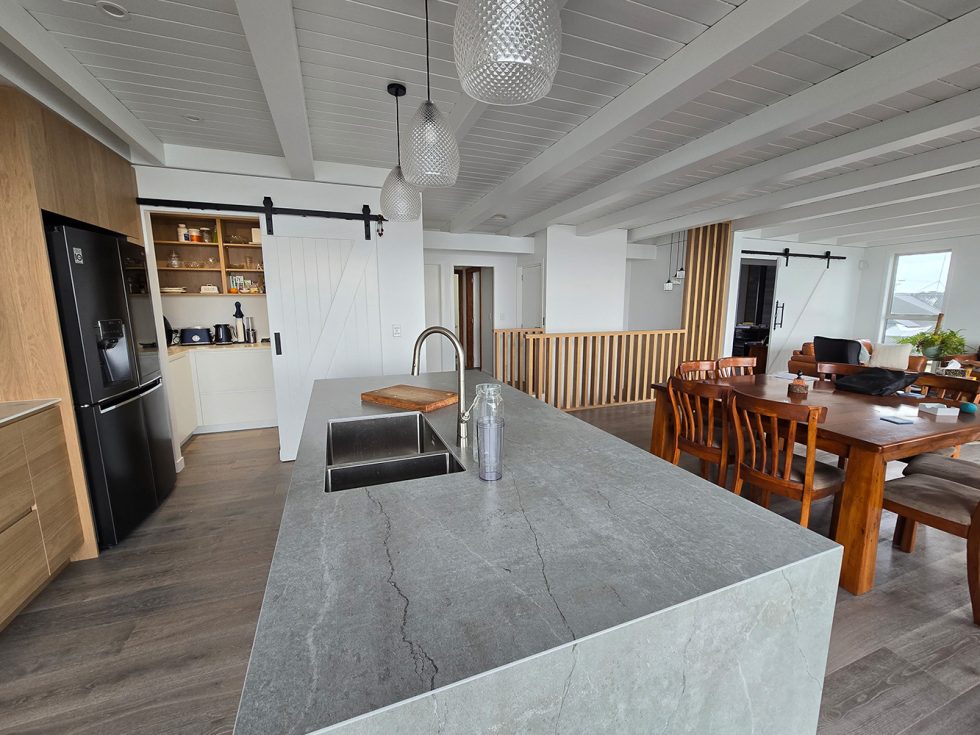

Advance Laminates offers you the new Digital Laminates, Wardrobe Laminates, Laminates sheets for kitchen and best Digital Decorative laminates designs Catalogue Collection for Interior Decoration.