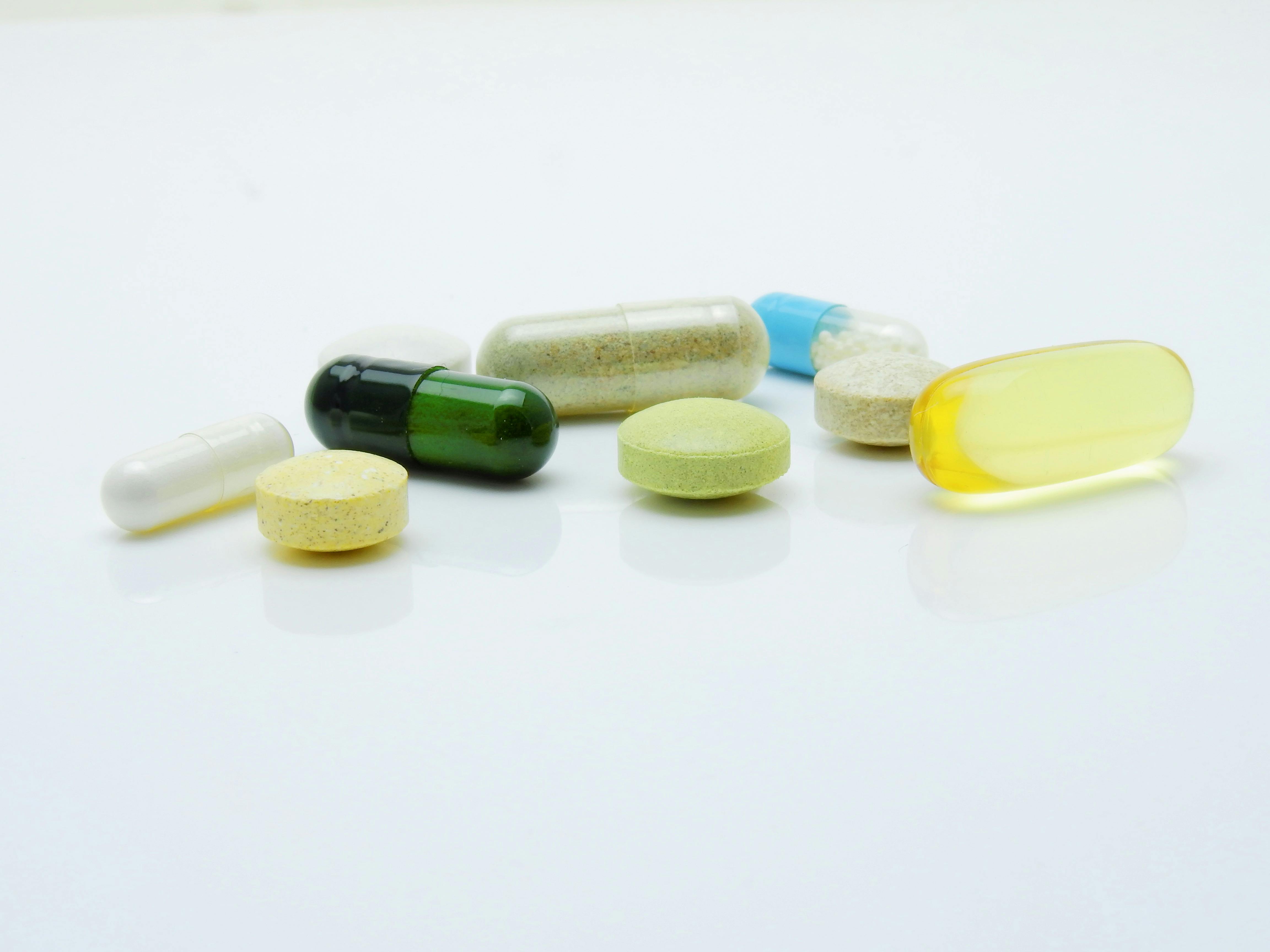



The global nutraceutical excipients market is projected to grow from USD 4.2 billion in 2023 to USD 6.1 billion by 2028, registering a CAGR of 7.7% during the forecast period. The rising popularity of nutraceuticals stems from their expanding use in managing a wide spectrum of health conditions, including cancer, cardiovascular diseases, cataracts, menopausal symptoms, insomnia, memory issues, gastrointestinal disorders, headaches, and stress-related migraines. Traditional combinations such as ginger, garlic, and honey continue to gain consumer confidence for their therapeutic benefits, while products like green tea, vitamin E, and vitamin C are widely used to address concerns related to hair thinning, skin health, varicose veins, fatigue, and even mood disorders such as depression.
This surge in nutraceutical adoption highlights strong growth opportunities for the pharmaceutical and functional food industries. Key factors driving the market include an aging population, rising healthcare costs, advancements in food technology and nutrition science, and increasing consumer awareness of the connection between diet and health. As demand for nutraceuticals increases, manufacturers require advanced formulations and specialized excipients to enhance the stability, bioavailability, and delivery of active compounds—boosting demand in the nutraceutical excipients market.
Download PDF Brochure: https://www.marketsandmarkets.com/pdfdownloadNew.asp?id=247060367
Organic Chemical Excipients: A Key Growth Driver
The organic chemical segment is accelerating market growth due to the rising consumer preference for natural, safer, and clean-label ingredients. Growing awareness of ingredient quality and source has led consumers to favor excipients derived from organic materials, which are perceived as less allergenic and more trustworthy compared to their synthetic counterparts.
The clean-label movement—centered on transparency, simplicity, and recognizable ingredients—further supports the demand for organic excipients. As consumers demand clearer ingredient lists, manufacturers are increasingly integrating organic chemical excipients into formulations, driving segment expansion.
Dry Formulation Segment Exhibiting the Highest CAGR
Dry excipients are experiencing strong demand due to their versatility in enabling various dosage forms, including tablets, capsules, powders, and granules. Their broad compatibility with diverse active ingredients allows manufacturers to tailor formulations to specific functional or consumer needs.
Additionally, dry excipients enhance solubility, dissolution rates, and overall bioavailability of active compounds, contributing to improved product performance. Their ability to protect ingredients from moisture and environmental degradation also supports longer shelf life and stability—key requirements in the nutraceutical sector. These advantages collectively position dry formulation excipients as a high-growth segment.
Request Sample Pages: https://www.marketsandmarkets.com/requestsampleNew.asp?id=247060367
North America Leads the Global Market
North America holds the largest share of the nutraceutical excipients market, supported by the strong presence of leading manufacturers and sustained investment in product innovation. Rising incidences of lifestyle-related diseases—such as obesity, diabetes, and cardiovascular disorders—are driving consumers toward preventive healthcare solutions, increasing the consumption of nutraceutical products. This growing demand directly fuels the need for high-quality excipients that ensure product efficacy, stability, and consumer safety.
Key Players:
Major companies operating in the nutraceutical excipients market include:
International Flavors & Fragrances Inc. (US), Kerry Group plc (Ireland), Ingredion (US), Sensient Technologies Corporation (US), Associated British Foods plc (UK), BASF SE (Germany), Roquette Frères (France), MEGGLE GmbH & Co. KG (Germany), Cargill, Incorporated (US), Ashland (US), IMCD (Netherlands), Hilmar Cheese Company, Inc. (US), Air Liquide (France), Azelis Group (Luxembourg), and Biogrund GmbH (Germany).