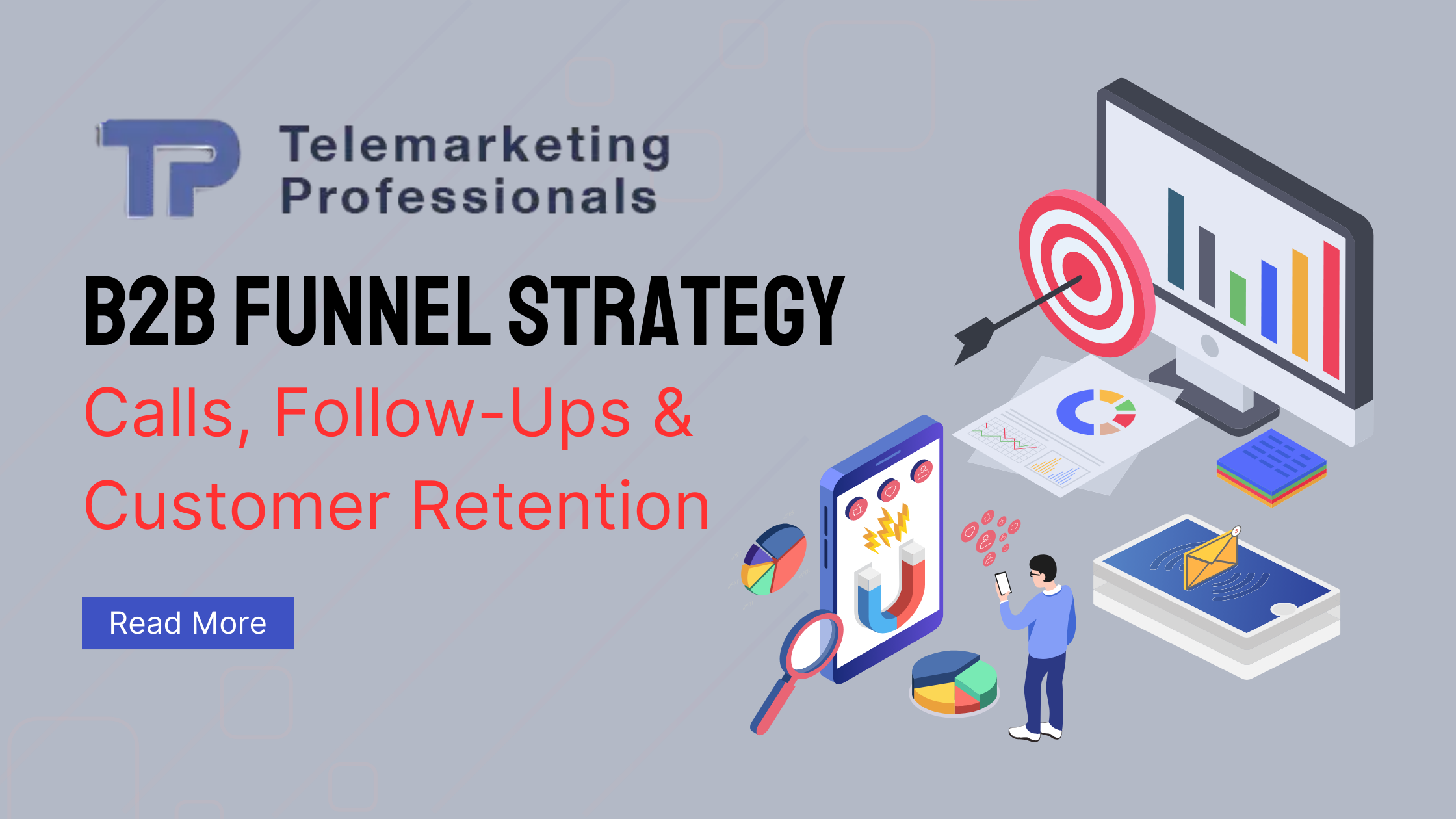
In B2B sales, the funnel isn’t just about bringing leads in — it’s about moving them forward. Many businesses generate awareness, run ads, and collect contact details, but the conversion often stops there. Why? Because leads need nurturing, clarity, and human connection before they buy.
A high-performing B2B funnel doesn’t end at first touchpoint — it builds momentum through calls, consistent follow-ups, and customer retention strategies that keep the conversation alive. In this blog, we break down how the modern B2B funnel really works and how brands can strengthen every stage with voice-driven outreach.
Why Most B2B Funnels Fail After Lead Capture?
A lot of companies believe that once a lead enters their CRM, the conversion will happen naturally. But the truth is — B2B buyers research longer, compare more alternatives, and hesitate without reassurance.
The biggest leak happens between interest and decision because:
Emails are read but not replied to
Leads forget your brand over time
No follow-up sequence is set
There’s no human push towards a meeting
Value is not reinforced after first contact
A funnel without follow-ups is just a list — not a revenue channel.
Stage 1: Calls — The Fastest Route to Connection
Phone calls remain one of the most powerful B2B sales tools. While email can be ignored and ads can be scrolled past, a call opens a two-way conversation instantly.
Through calls, businesses can:
Qualify prospects in minutes
Understand real needs and timelines
Overcome objections live
Build trust with tone, clarity, and confidence
Book meetings faster than any automated channel
It’s not just about calling — it’s about calling with purpose, script, and strategy.
Stage 2: Follow-Ups — Where Real Conversion Happens
90% of leads don’t close on the first interaction. The sale happens during follow-up.
Follow-ups aren’t reminders — they’re reinforcement. They show that your brand is credible, present, and willing to solve problems. A structured follow-up sequence often includes:
Follow-Up Type
Purpose
Phone follow-up
Quick qualification + decision push
Email sequence
Nurture with value, insights, case studies
LinkedIn connection
Build presence and ongoing visibility
Voice note or SMS
Short messages to re-engage quickly
Calendar scheduling
Helps convert interest to commitment
Consistency beats talent in B2B sales. The business that follows up — wins.
Stage 3: Customer Retention — The Most Profitable Part of the Funnel
Acquiring a new client costs more than retaining an existing one. A good funnel doesn’t just convert leads — it keeps them engaged long after onboarding.
Retention-driven actions include:
Regular feedback and check-ins
Upselling through value, not pressure
Sending insights, reports, or optimization suggestions
Follow-up calls post-delivery
Exclusive access to upgrades or extended services
Retention converts a one-time customer into a long-term revenue stream.
How Calls, Follow-Ups & Retention Work Together as One Funnel ?
Here’s how an optimized funnel flows in real life:
Marketing generates leads
Outbound calls qualify and engage them
Follow-ups nurture prospects toward decision
Meetings convert into clients
Retention efforts increase lifetime value
A broken link in this chain results in lost deals.
A strong chain builds predictable monthly revenue.
Final Takeaway
A successful B2B funnel is not built on traffic — it is built on conversation. Calls open the door, follow-ups keep it moving, and retention ensures clients never walk out again.
If you want more conversions, more meetings, and steady revenue growth — redesign your funnel not around lead generation, but around lead progression.


B2B marketing is the process of promoting your products to another business.
This marketing method is used when one company sells its products to another business instead of direct to consumers.

Sales prospecting is the cornerstone of your business.
However, B2B sales prospecting requires more focus than you think.
It is similar to a battlefield where you head out to a territory (market), you can mine (generate) something valuable, then sift (qualify) good finds from the bad.
You then concentrate on optimizing (nurturing) the qualified leads and trying to make a big profit by selling value to the best buyers.
Section Email and PhoneUsing both email and phone is a perfect way to meet busy customers who use many gadgets, and usually on-the-go.
Consider sending an email and followed with a call, or vice versa.