


A silent shift becomes visible only when hardware changes. Users who have moved from one Android device to another have reported difficulty getting YouCine back onto their new phones, even though the app functioned normally on their previous devices. The situation leaves many wondering why standard restoration methods do not bring it back automatically, especially when everything else returns with one Google account login. The answer rests in how the application was installed originally.
YouCine is widely distributed in APK format — meaning that, for many users, the installation that once existed on their phone was not delivered from an official marketplace. An APK is a package file, similar to executable installers on desktop systems. When downloaded manually and approved by the user, it becomes a full application inside Android. Once installed, it behaves like any app installed from a store: it opens, launches video content, receives updates if the user downloads them, and remains active indefinitely. But the key detail is this: it does not register as a store-linked installation.
When an Android user switches phones, apps tied to their Google Play library are automatically reinstalled. APK-based applications are not. The new phone knows only what the store knows. If YouCine was installed manually rather than through store integration, the new phone does not inherit it. There is no cloud record to call upon. For that reason, the app must be reintroduced to the system manually.
This catches users by surprise because the original installation was done long ago, and because APKs do not require frequent attention. On the old phone, the user had likely already granted permission to install from unknown sources, allowing the application to run without resistance. The new phone resets that permission to default for safety reasons. Attempting to install the same package again without enabling external installation will not succeed.
Thus, the absence of the app is not a sign that the software has been removed from circulation. Rather, it is evidence that applications installed outside the app store ecosystem behave differently at the moment of device migration. To restore YouCine, a user must download the APK again and approve installation. It is a simple process once understood, but confusing when unexpected.
One additional variable appears when the user attempts to access the download page. In many reports, the website used previously to obtain the file may fail to load on certain browsers or networks. When this happens, the user may believe the app is unavailable entirely, when in reality the obstacle is reaching the APK at all. If the browser loads correctly, installation proceeds within minutes. If it does not, alternative download paths or installer tools become necessary. The application itself has not been reported como inacessível — only the retrieval route varies from device to device.
In summary, the difficulty arises because users expect cloud-style restoration for an app that was never linked to the cloud framework. YouCine remains operational for those who reinstall it manually. The challenge is not technical failure, but knowledge transfer — remembering that the first installation was done through APK, and must now be repeated in exactly the same manner. When users understand this, the missing icon transforms back into a working application, just as it was before the phone upgrade took place.

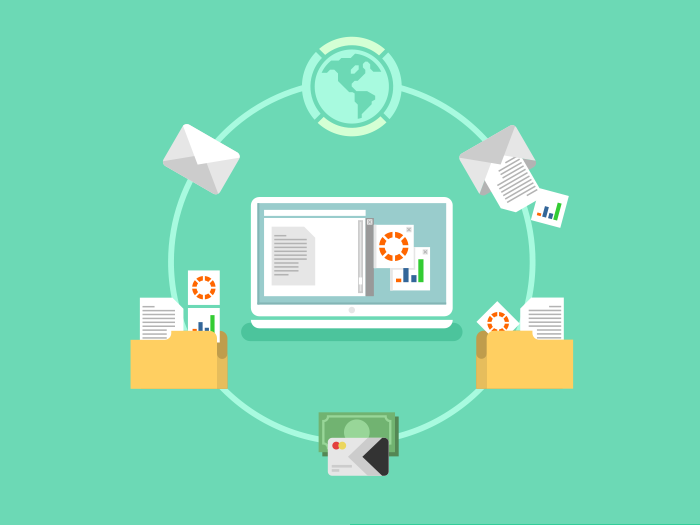
Do you have a lot of documents and files that your business is dealing with on a regular basis?
Find out how it works for you in this article.


We're all used to using pillowcases, so unless you or a loved one suffers from allergies, you may not have considered using a pillow protector.
This protector is used in hotels and restaurants, that is used for more than just protection against allergy.When you leave your pillow open, then do you ever think about what will happen with it?
There are chances of attracts dust, dirt, germs, scratches, stains, spills, bed bugs, and more.
It comes in a set of two and is available in various colors.
It also has stain-proof, scratch-proof, and oil-proof properties.
3 – Easy to CarryWhen traveling, you may not always be able to bring your pillow.