


Discovering tax saving strategies in Arizona is essential for residents looking to stretch their dollars further amid rising living costs and economic shifts. Arizona's tax landscape, with its flat 2.5% state income tax rate on all income including capital gains, offers unique opportunities for savvy planning that can reduce liabilities significantly. Long-term capital gains benefit from a 25% subtraction, dropping the effective state tax rate to just 1.875%, which makes strategic asset management a powerful tool for individuals and investors alike. By focusing on these state-specific advantages, Arizonans can retain more of their earnings through deductions, credits, and timely financial moves tailored to local laws.
Arizona's absence of a state-level inheritance tax combined with generous standard deductions provides a strong foundation for everyday savers. For the 2025 tax year, single filers and those married filing separately can claim a $15,000 standard deduction, while head of household filers qualify for $22,500 and married filing jointly get $30,000, aligning closely with federal adjustments to ease the filing burden. These deductions allow taxpayers to shield more income from taxation without itemizing, particularly beneficial for middle-income households facing property taxes that average around 0.62% of home value statewide. Homeowners can further optimize by appealing property assessments annually, as successful challenges often yield reductions of 10-20% on assessed values, translating to hundreds or thousands in annual savings depending on property size and location.
Business owners in Arizona stand to gain from recent legislative changes aimed at fostering growth and predictability. House Bill 2704 supports renovations around Chase Field in Phoenix without tax hikes, boosting local foot traffic and job opportunities that indirectly enhance business revenues. Meanwhile, Senate Bill 1069 raises the business personal property tax exemption to $500,000, offering substantial relief for small operations with equipment and furniture, potentially cutting tax bills by thousands for qualifying assets. Transaction Privilege Tax (TPT) reforms under House Bill 2118 simplify sourcing based on the seller's location, reducing compliance confusion and audit risks while streamlining cash flow management for retailers and service providers.
Tax saving strategies in Arizona shine brightest through the state's robust charitable tax credit programs, which deliver dollar-for-dollar reductions in state income tax liability. Taxpayers can claim up to $3,048 if single or $6,074 if married filing jointly across credits like those for school tuition organizations, qualifying foster care charitable organizations, and military family relief funds. These credits, which do not affect federal returns, encourage contributions to local nonprofits and schools while directly lowering Arizona tax owed—many funds deplete quickly, so early action in the year maximizes availability. For retirees and seniors, recent executive actions under Governor Katie Hobbs expand standard deductions and provide cuts on tips and overtime, further easing burdens on fixed incomes.
Capital gains planning remains a cornerstone for investors employing tax saving strategies in Arizona. Timing sales during lower-income years leverages the consistent 25% long-term gain subtraction, while tax-loss harvesting offsets gains with losses to minimize both state and federal exposure. Real estate investors can utilize 1031 exchanges to defer recognition entirely, preserving capital for reinvestment in Arizona's booming markets like Phoenix and Tucson. Retirement accounts such as Roth IRAs and HSAs offer tax-free growth, shielding gains from the 2.5% rate altogether when structured properly.
Retirement savers benefit from Arizona's favorable treatment of Social Security, pensions, and 401(k) distributions, which face no state tax, allowing compounded growth without erosion. The Arizona Department of Revenue reports ongoing efforts to boost compliance by 5% by 2029, emphasizing streamlined filing that rewards proactive taxpayers with fewer penalties and faster refunds. Energy-efficient home improvements qualify for federal credits that indirectly support state savings, as reduced utility costs free up funds for additional tax-advantaged investments.
Implementing these approaches requires understanding Arizona's evolving code, including transparency mandates for municipal tax changes via House Bill 2119, which gives businesses advance notice for better planning. Families can direct charitable dollars to support public schools through tuition credits, effectively funding education while erasing state tax dollar-for-dollar. Small business owners should review depreciation schedules and hiring credits, as 2025 updates promote equipment write-offs and workforce expansion incentives.
Ultimately, mastering tax saving strategies in Arizona empowers residents to build wealth amid a flat tax environment ripe for optimization. With technical perks like the $500,000 personal property exemption and up to $6,074 in credits, proactive planning yields measurable results—studies indicate optimized filers save 15-25% more on average than average returns. Stay informed on bills like those for tipped income relief to adapt swiftly, ensuring every tax season contributes to long-term financial security in the Grand Canyon State.
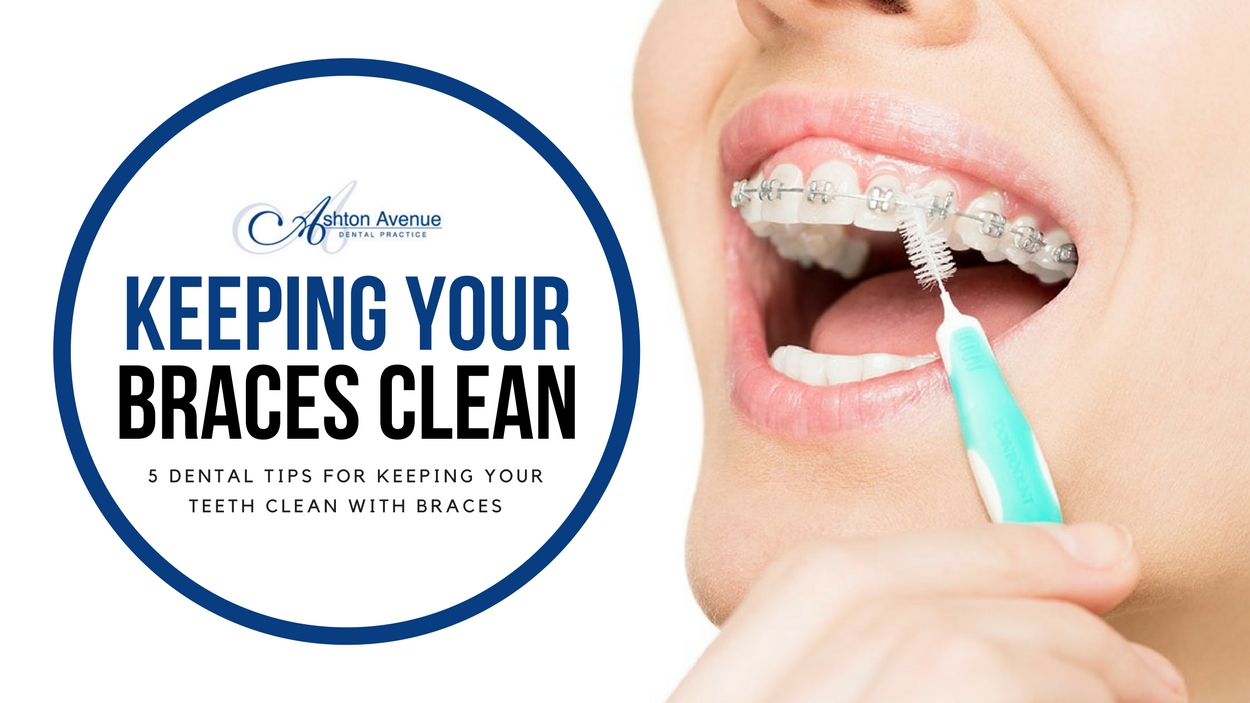
Learn the top 5 dental tips for caring for your braces and keeping your teeth clean.Tooth BrushingPlace the toothbrush at an accurate angle so that every tooth gets cleaned with the use of ten strokes at least.
Clean the surface completely, including the areas in your mouth.Flossing TeethDental floss is done while using a nylon thread which help remove the food particles and plaque from in between the teeth.Interdental ToothbrushAn interdental brush is used to clean the underneath and around your braces or wires.
It will help maintain the gums and the teeth while keeping it clean.Antibacterial MouthwashA hydrogen peroxide antiseptic mouth rinse is used to reduce the inflammation of gums and cheeks.
It helps fight infection or the odd odors coming from your mouth.Clean Removable ApplianceIf there are any removable appliances on your teeth, remove them and clean them regularly.
Just like food particles get fussed in between the teeth.
They get blocked in the appliances as well.


You do not need to lose your shirt during your divorce.
Here are 10 ways that you can ensure that you protect your assets.