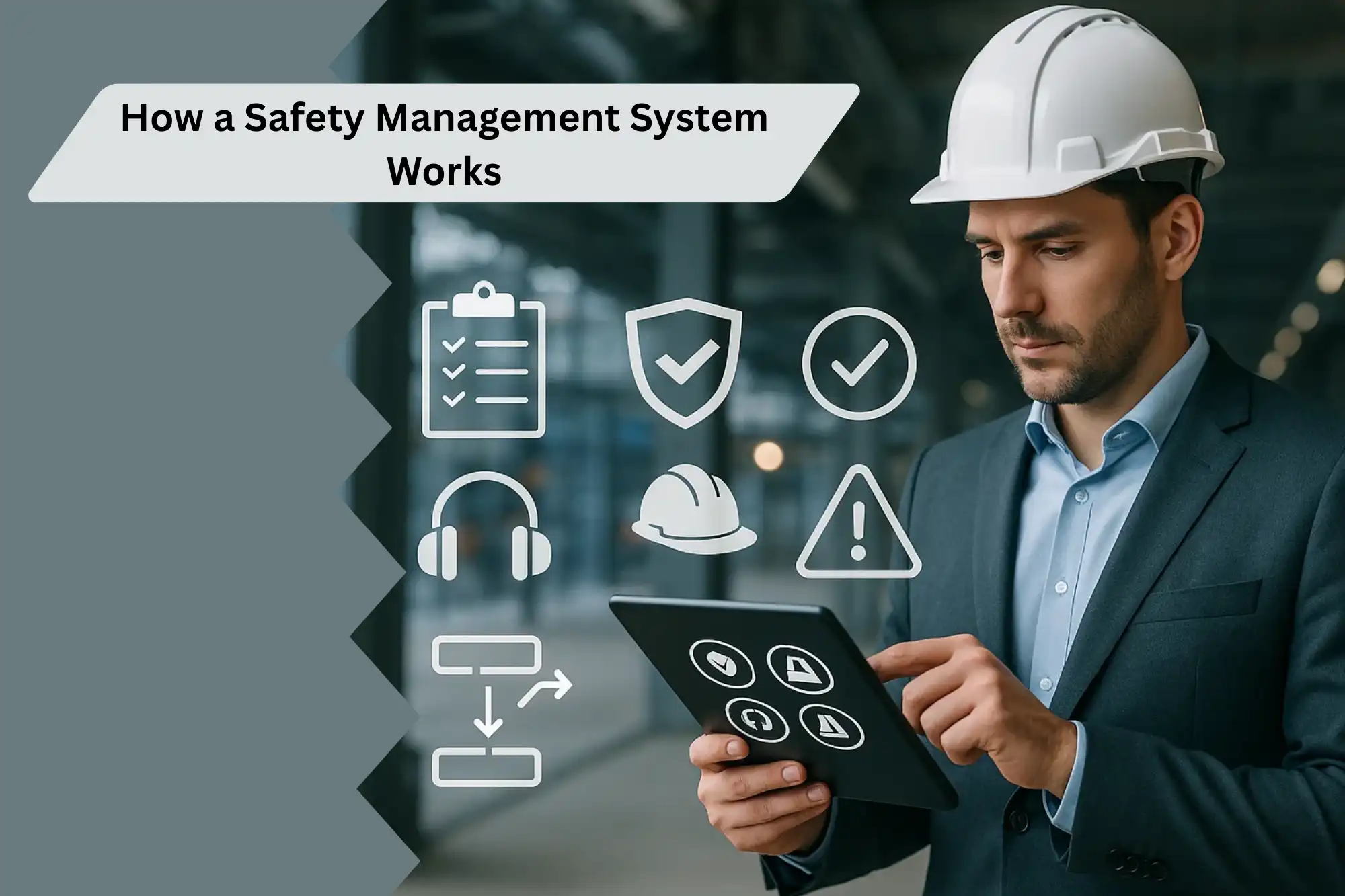
A Safety Management System is a structured and organized approach that helps companies manage workplace safety, reduce risks, and maintain compliance with industry regulations. It brings together policies, procedures, practices, and digital tools to ensure that every aspect of workplace safety is handled consistently and effectively. Understanding how a safety management system works is important for any organization that wants to improve safety performance and protect its workforce.
A strong Safety Management System focuses on prevention, early detection of hazards, and continuous improvement. Instead of reacting to incidents after they happen, organizations use a systematic approach to avoid risks before they occur.
Core Components of a Safety Management System
A successful Safety Management System is built on several key components that work together to create a safer workplace.
Safety Policy and Objectives
Every system begins with a clear safety policy. This outlines the company’s commitment to keeping employees safe and defines the goals that guide all safety activities. The policy serves as the foundation for decisions, training programs, inspections, and overall safety planning.
Hazard Identification and Risk Assessment
Identifying hazards is one of the most important steps in managing workplace safety. Teams must examine the work environment, tools, equipment, and processes to find anything that could cause harm. After hazards are identified, the risks are assessed to determine which ones require immediate action.
Implementation of Controls
Once risks are known, organizations put controls in place to reduce or eliminate them. These controls may include new procedures, improved training, or digital solutions such as safety management software that helps monitor activities, guide workers, and track compliance.
Safety Training and Competency
Employees must understand how to work safely. Effective Safety Management Systems include regular training programs that teach workers how to recognize hazards, follow procedures, and respond to emergencies. Training is updated to match new risks or changes in the work environment.
Safety Monitoring and Performance Tracking
Continuous monitoring ensures that safety processes are being followed. This may include inspections, audits, and real time reporting using tools such as a safety monitoring platform. Tracking performance helps organizations identify weaknesses and opportunities for improvement.
Incident Reporting and Investigation
When incidents occur, the system ensures they are reported quickly and investigated properly. This prevents similar incidents from happening again. Using digital safety compliance tools speeds up and improves the accuracy of reporting.
Continuous Improvement
A Safety Management System is not a one time process. It evolves with workplace changes, new regulations, and updated industry practices. Regular evaluations ensure that the system remains strong, effective, and aligned with business goals.
How Digital Tools Improve a Safety Management System
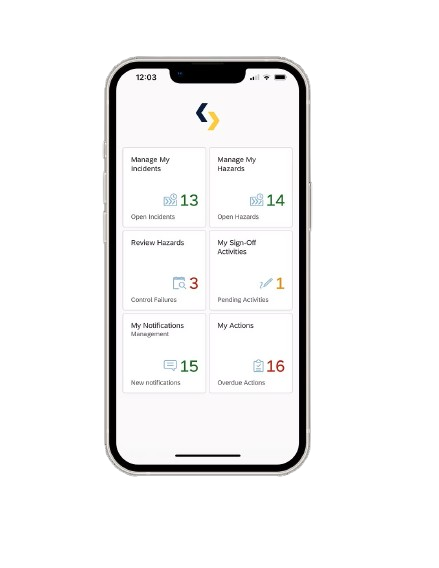
Modern organizations rely heavily on digital solutions to streamline safety processes. Tools such as digital safety management platforms help teams stay organized, automate routine tasks, and centralize all safety data in one place. This reduces paperwork, eliminates confusion, and provides real time visibility across operations.
Digital systems also help managers track training, manage inspections, assign corrective actions, and access reports instantly. With a modern workplace safety system, companies gain the ability to respond faster, prevent risks, and maintain compliance with ease.
Why Organizations Need a Safety Management System
Having a structured Safety Management System helps organizations reduce accidents, protect their employees, and create a culture where safety is part of everyday work. It ensures that everyone understands their responsibilities and follows standard procedures. A strong system improves workplace efficiency, reduces operational losses, and strengthens trust among workers and management.
Companies that adopt a complete safety system gain long term benefits such as fewer incidents, higher employee morale, smoother audits, and stronger legal protection. Whether an organization is large or small, a Safety Management System is an essential part of building a safe and productive work environment.
Conclusion
A Safety Management System plays a vital role in improving workplace safety, reducing risks, and ensuring compliance. It combines policies, risk assessments, controls, training, monitoring, and continuous improvement into a single powerful framework. With the support of modern digital tools, organizations can manage safety more efficiently than ever before.
If you want to strengthen your safety processes and build a safer future for your team, now is the right time to explore advanced safety solutions and adopt a complete Safety Management System for your organization.
Source: https://www.workaware.com/blog/what-is-safety-management-system/