


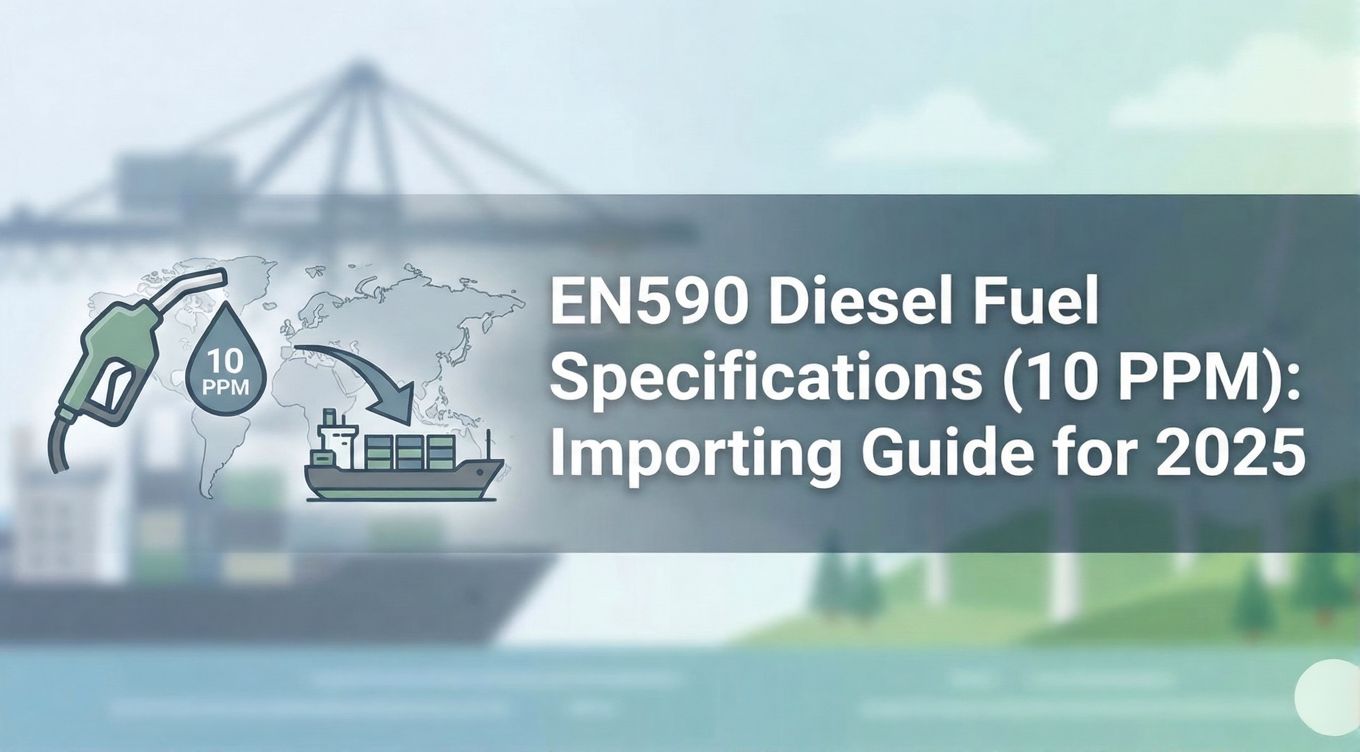
Importing EN590 diesel in 2025 has become more complex due to stricter fuel regulations, tighter sulfur limits, and enhanced port inspections across global trade routes. Industries such as logistics, mining, transportation, and construction increasingly demand 10 PPM EN590 diesel for cleaner combustion and better compliance. Understanding these specifications is essential for importers who want to avoid delays, penalties, and off-spec risks.
For detailed technical standards, here is a full EN590 specification breakdown.
What EN590 Diesel Means in Today’s Market
EN590 is the European standard for automotive diesel, defining strict quality, emission, and performance requirements. It has become the preferred benchmark across Africa, Asia, LATAM, and the Middle East.
The most important factor in 2025 is the 10 PPM sulfur limit, also known as Ultra-Low Sulfur Diesel (ULSD). This ensures compatibility with modern engines and significantly reduces harmful emissions.
Key EN590 Specifications Importers Must Know
To meet EN590 standards, diesel must follow specific technical parameters:
Sulfur: Maximum 10 PPM
Cetane Number: Minimum 51
Density: 820–845 kg/m³
Flash Point: 55°C or higher
Viscosity: 2.0–4.5 mm²/s at 40°C
CFPP (Cold Filter Plugging Point): Seasonal and region-specific
Oxidation Stability: Required for long-distance transport
Water Content & Lubricity: Essential for engine protection
These parameters determine whether fuel can pass customs testing and perform reliably under different conditions.
Why EN590 Diesel Demand Is Increasing in 2025
Countries are tightening environmental controls and enforcing emission-based regulations. Many ports now use advanced screening tools to verify diesel quality. Off-spec fuel can lead to:
Cargo detention
Extended lab testing
Re-export orders
Heavy fines
Reputational damage for importers
The rise of ULSD demand is driven by both regulatory pressure and the operational needs of modern diesel fleets.
Regional EN590 Variants Importers Should Understand
Even within EN590, there are regional variations:
European EN590
Highest level of compliance, used globally as the reference grade.
Middle Eastern EN590-Type Diesel
Close to EN590 but may include blend differences based on refinery output.
Asian Tropical EN590
Optimized for warm climates with adjusted CFPP values.
CFPP Is a Critical Parameter
CFPP determines how diesel behaves in cold conditions:
Winter Diesel: As low as –20°C
Summer Diesel: +5°C to –5°C
Choosing the wrong CFPP grade for your destination market can cause product failure or immediate port rejection.
How EN590 Diesel Is Verified Before Import
To ensure compliance, most ports require:
COQ / COA (Quality Certificates)
SGS, Intertek, or Bureau Veritas test results
MSDS
Certificate of Origin
Packing List
Commercial Invoice
Bill of Lading
Reputable suppliers always allow pre-shipment inspection and provide transparent documentation.
Pricing Factors for EN590 Diesel in 2025
EN590 wholesale prices are influenced by:
Brent or WTI crude benchmarks
Seasonal diesel demand
Freight and vessel availability
Refinery allocation capacity
Geopolitical issues affecting maritime routes
Importers often choose between spot deals (quick but volatile) and term contracts (stable but long-term).
How to Choose a Reliable EN590 Diesel Supplier
Importers should evaluate suppliers based on:
Verified refinery allocation
Valid SGS inspection reports
Transparent Incoterms
Strong export history
Market-aligned pricing
Avoid suppliers offering unusually low prices, refusing inspection, or lacking documentation.
Documentation Required for EN590 Diesel Imports
Depending on the destination country, importers may need:
COQ/COA
Certificate of Origin
Bill of Lading
MSDS
SGS/Intertek report
Packing list
Commercial invoice
African markets often insist on COQ, LATAM enforces strict sulfur auditing, and Asian ports prioritize CFPP alignment.
Conclusion
Importing EN590 diesel in 2025 requires careful specification compliance, proper documentation, climate-appropriate CFPP selection, and supplier verification. Understanding EN590 standards ensures smoother port clearance, reduces risks, and improves overall supply reliability for bulk fuel importers.


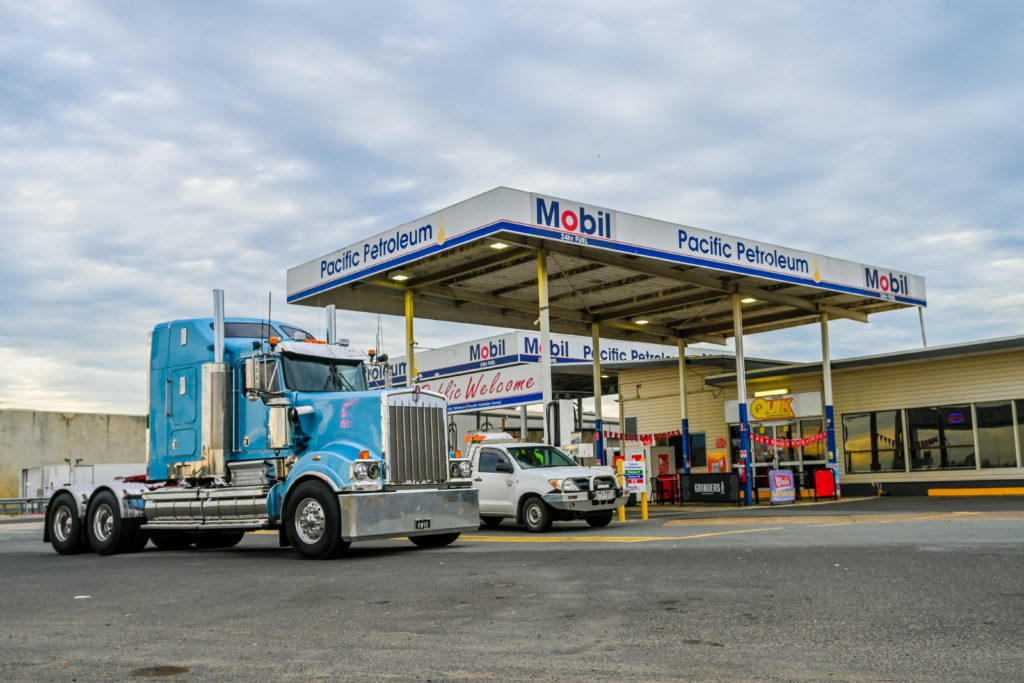
Diesel fuel starts to weaken as quickly as it is produced.
Within 30 days of refining, all diesel fuel regardless of brand, goes through a natural procedure called re-polymerization and oxidation.
These components now drop to the bottom of the fuel tank and kind asphaltene also known as diesel sludge.
It is approximated that eight out of every 10 diesel engine failures have actually been directly associated with poor quality and contaminated fuel.See more here: https://pacific-fuel.wixsite.com/pacificuel/post/diesel-fuel-quality-is-a-question-not-a-guarantee

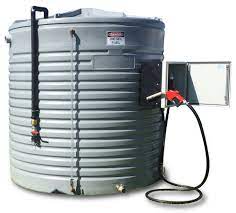
It includes the size, share, growth, trends, key players, segments and regional analysis in detail during the study year 2020-2027.The research report also covers the comprehensive profiles of the key players in the market and an in-depth view of the competitive landscape worldwide.
The major players in the poly diesel fuel tanks market include Blue Diamond Machinery, Emiliana Serbatoi Srl, Rapid Spray, TransTank(R)International, Coerco Group, Elkhart Plastics, Alemlube, Polymaster, PETRO Industrial Pty Ltd, Silvan Australia.
This section consists of a holistic view of the competitive landscape that includes various strategic developments such as key mergers & acquisitions, future capacities, partnerships, financial overviews, collaborations, new product developments, new product launches, and other developments.Get more information on "Global Poly Diesel Fuel Tanks Market Research Report" by requesting FREE Sample Copy at https://www.valuemarketresearch.com/contact/poly-diesel-fuel-tanks-market/download-sampleMarket DynamicsThe growing need for robust, portable fuel tanks that allow convenient remote refueling on-site is the primary driver for the market's growth.
The availability of a wide range of capacity, specification, and dispensing options suitable to various applications in the agriculture, construction, and forestry sectors will benefit market growth.
The rising use of above-ground fuel storage tanks resistant to structural damage, corrosion, and UV radiation will boost the market growth.
Fuel storage units used at many sites, including coal and nuclear power plants, industrial, commercial, medical, and educational facilities as an emergency and standby energy source, will be a market booster.