

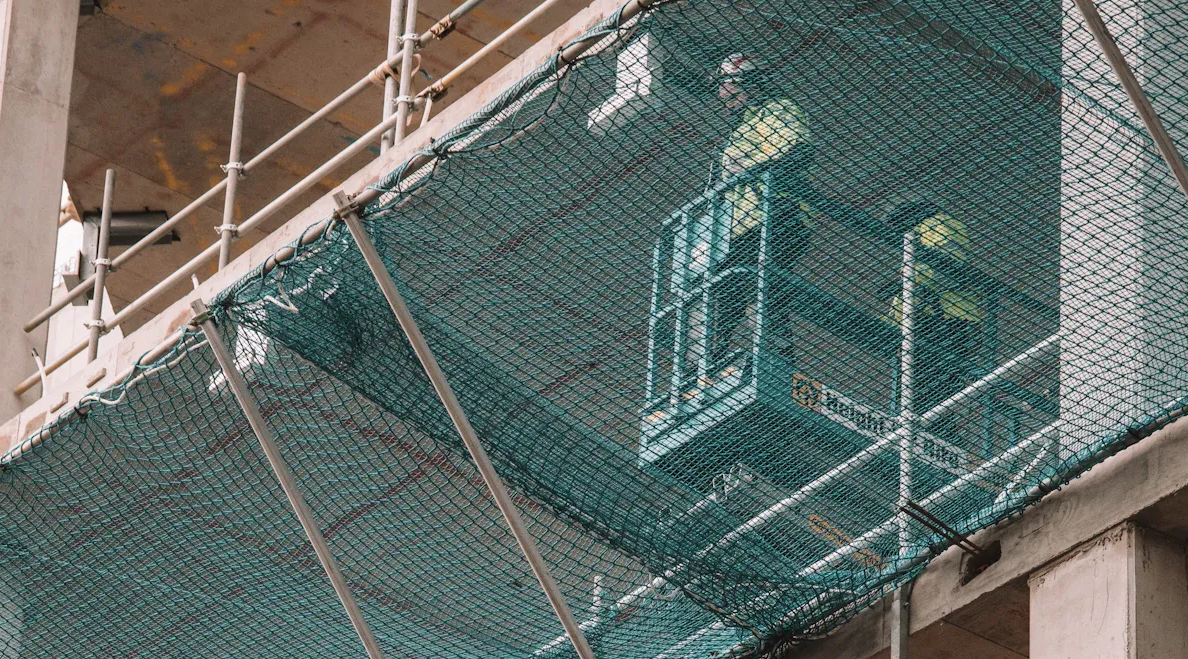
In the world of construction, safety is not just a guideline—it is a lifeline. Every year, thousands of workers face the dangers of working at heights, and despite advances in technology and training, falls remain one of the leading causes of serious injuries and fatalities on construction sites worldwide. However, there is one simple yet powerful tool that has consistently proven to make a difference: Construction Safety Nets.
At Qingdao Agrishade Mesh Co., Ltd., we have dedicated ourselves to manufacturing high-quality Construction Safety Nets that protect lives and livelihoods. But the true impact of these nets goes far beyond the factory floor. Across the globe, real stories from construction sites highlight how safety nets have prevented tragedies, saved lives, and given workers the confidence to perform their jobs efficiently and securely.

In this comprehensive guide, we will explore the life-saving role of Construction Safety Nets through real stories from the field. We’ll delve into how these nets work, why they are essential, and what makes a quality safety net. Additionally, we’ll answer some of the most frequently asked questions to help you understand how to choose, install, and maintain the right safety net for your project. Whether you are a site manager, safety officer, contractor, or worker, this article will provide valuable insights into the critical importance of Construction Safety Nets—and how they can make the difference between life and death.
1. The Critical Role of Construction Safety Nets
a. Why Falls Are a Leading Hazard
Construction sites are dynamic environments, often involving work at significant heights. Scaffolding, high-rise buildings, bridges, and towers all present fall hazards. According to the International Labour Organization (ILO), falls from height are responsible for a significant percentage of construction-related injuries and fatalities each year.
b. How Construction Safety Nets Work
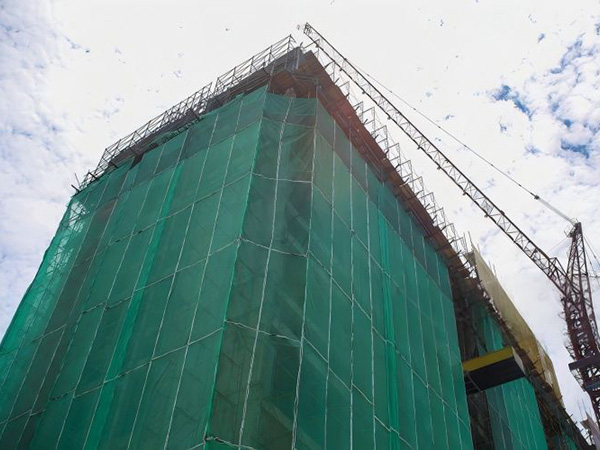
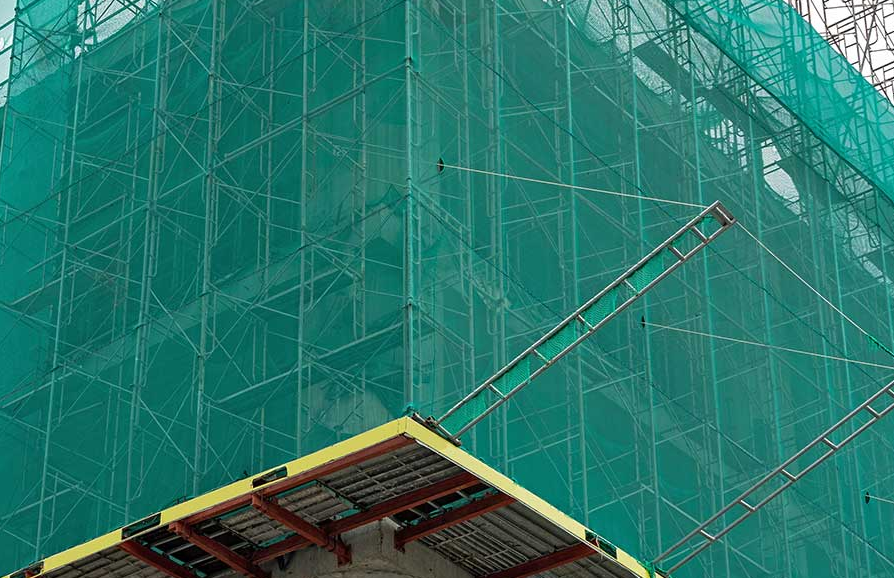
Construction Safety Nets are designed to catch workers, tools, and debris that may fall from elevated work areas. Installed below the working level, these nets absorb the energy of a fall, reducing the risk of serious injury or death. They also protect people and property below from falling objects.
c. Regulatory Requirements
Many countries have strict regulations mandating the use of safety nets on construction sites. Compliance is not just about avoiding fines—it’s about creating a culture of safety that values every worker’s life.
2. Real Stories: Construction Safety Nets in Action

Nothing illustrates the importance of Construction Safety Nets better than real-life stories from the field. Here are a few examples that demonstrate how these nets have saved lives and prevented tragedies.
Story 1: A Close Call on a High-Rise Project
In 2022, a construction worker in Shanghai was installing glass panels on the 18th floor of a new office tower. Despite being harnessed, a sudden gust of wind caused him to lose his balance. The harness failed to arrest his fall, but a Construction Safety Net installed just below the working platform caught him, preventing a potentially fatal accident. The worker suffered only minor bruises and was able to return to work after a short recovery.
Story 2: Protecting the Public in Urban Construction
During the renovation of a busy shopping mall in Beijing, Construction Safety Nets were installed around the scaffolding to catch falling debris. One afternoon, a heavy tool slipped from a worker’s hand and plummeted toward the sidewalk below. The netting stopped the tool, preventing injury to pedestrians and avoiding a costly lawsuit for the contractor.
Story 3: Saving a Life on a Bridge Project
On a bridge construction site in India, a worker lost his footing while carrying materials across a narrow beam. The Construction Safety Net stretched below the beam absorbed the impact of his fall, saving his life. The site manager later credited the net with not only saving the worker but also boosting morale and reinforcing the importance of safety protocols.
Story 4: Averted Disaster in Adverse Weather
In Europe, a sudden storm hit a construction site, causing the scaffolding to become slippery and unstable. Two workers slipped and fell, but both were safely caught by the Construction Safety Nets installed below. The incident underscored the importance of always having nets in place, regardless of weather conditions.
Story 5: Preventing Multiple Injuries on a Large-Scale Project
On a large infrastructure project in the Middle East, a section of scaffolding collapsed unexpectedly. Thanks to the extensive network of Construction Safety Nets installed throughout the site, several workers who would have otherwise fallen to the ground were safely caught. The nets not only saved lives but also minimized project delays and maintained the company’s reputation for safety.

3. What Makes a Quality Construction Safety Net?
Not all safety nets are created equal. The effectiveness of a Construction Safety Net depends on several key factors:
a. Material Strength
High-quality nets are made from durable, UV-stabilized materials such as high-density polyethylene (HDPE) or polypropylene. These materials resist weathering, abrasion, and chemical exposure.
b. Mesh Size and Configuration
The mesh size should be appropriate for the type of work being performed. Smaller mesh sizes are ideal for catching tools and debris, while larger meshes are suitable for personnel protection.
c. Load Capacity
A good safety net must be able to absorb the energy of a falling person or object without tearing or failing. Always check the net’s rated load capacity and ensure it meets or exceeds regulatory requirements.
d. Certification and Compliance
Look for nets that are certified to meet international standards such as EN 1263-1 (Europe), OSHA (USA), or other relevant regulations. Certification ensures the net has been tested for strength, durability, and fire resistance.
e. Installation and Maintenance
Proper installation is critical. Nets should be securely anchored, regularly inspected, and maintained according to the manufacturer’s guidelines.
4. The Qingdao Agrishade Mesh Co., Ltd. Difference

At Qingdao Agrishade Mesh Co., Ltd., we are committed to providing the highest quality Construction Safety Nets for projects of all sizes. Our products are trusted by contractors and safety professionals worldwide for their strength, reliability, and compliance with international standards.
a. Custom Solutions
We offer a wide range of mesh sizes, colors, and configurations to suit any project. Custom sizes and fire retardant options are also available.
b. Certified Quality
Our nets are manufactured using advanced technology and undergo rigorous testing to ensure they meet or exceed industry standards.
c. Expert Support
Our team provides technical guidance, installation advice, and after-sales support to help you maintain a safe and compliant worksite.
5. Frequently Asked Questions (FAQ)
Q1: How do Construction Safety Nets save lives?
A: By catching workers or objects that fall from heights, safety nets absorb the impact and prevent serious injuries or fatalities. They also protect people and property below from falling debris.
Q2: Are safety nets required by law?
A: In many countries, safety nets are required by law for certain types of construction work, especially at heights. Always check local regulations and ensure compliance.
Q3: How often should safety nets be inspected?
A: Safety nets should be inspected before each use, after any incident (such as a fall or impact), and at regular intervals as recommended by the manufacturer.
Q4: Can safety nets be reused after a fall?
A: After a significant impact, safety nets should be thoroughly inspected by a qualified professional. If any damage or deformation is found, the net should be replaced.
Q5: What is the lifespan of a construction safety net?
A: With proper care and maintenance, high-quality safety nets can last several years. However, exposure to sunlight, weather, and chemicals can affect their lifespan.
Q6: How do I choose the right safety net for my project?
A: Consider factors such as material strength, mesh size, load capacity, certification, and the specific hazards of your site. Consult with a reputable manufacturer like Qingdao Agrishade Mesh Co., Ltd. for expert advice.
Q7: Are custom sizes and colors available?
A: Yes! We offer custom sizes, colors, and configurations to fit any project.
Q8: What accessories are needed for installation?
A: Common accessories include border ropes, hooks, carabiners, and anchor points. Our team can recommend the best options for your site.
Q9: Are fire retardant safety nets necessary?
A: For projects with increased fire risk, fire retardant safety nets provide an extra layer of protection and may be required by local regulations.
Q10: How do I clean and store safety nets?
A: Clean nets with mild soap and water, avoid harsh chemicals, and store them in a dry, shaded area when not in use.