When you walk into any jewelry shop Philippines has to offer, you're immediately dazzled by gleaming displays of gold and silver pieces. But behind the sparkle lies crucial information that many retailers won't readily share. Whether you're shopping at established brands like Luccerings or exploring local boutiques, understanding the real differences between gold and silver can save you thousands of pesos and years of regret.
The Price Gap Nobody Explains Properly
Gold costs significantly more than silver, but do you know why? It's not just about rarity. Gold prices in the Philippines are tied to international markets, fluctuating daily based on global economic conditions. As of 2025, gold sits at around ₱4,000 to ₱5,000 per gram, while silver hovers between ₱50 to ₱80 per gram.
What most jewelry shops in the Philippines won't emphasize is that you're also paying for craftsmanship, brand value, and retail markup. A simple gold ring at Luccerings might cost ₱15,000, but the actual gold content could be worth only ₱8,000. The difference covers design expertise, labor, and business operations. This isn't dishonest, but it's something every buyer should understand before making a purchase.
Durability: The Untold Story
Here's a secret many salespeople gloss over: pure gold is actually quite soft. That's why most gold jewelry in the Philippines comes in 14k or 18k, meaning it's mixed with other metals for strength. Silver, on the other hand, is naturally harder than pure gold but still requires mixing with copper to create sterling silver (92.5% pure).
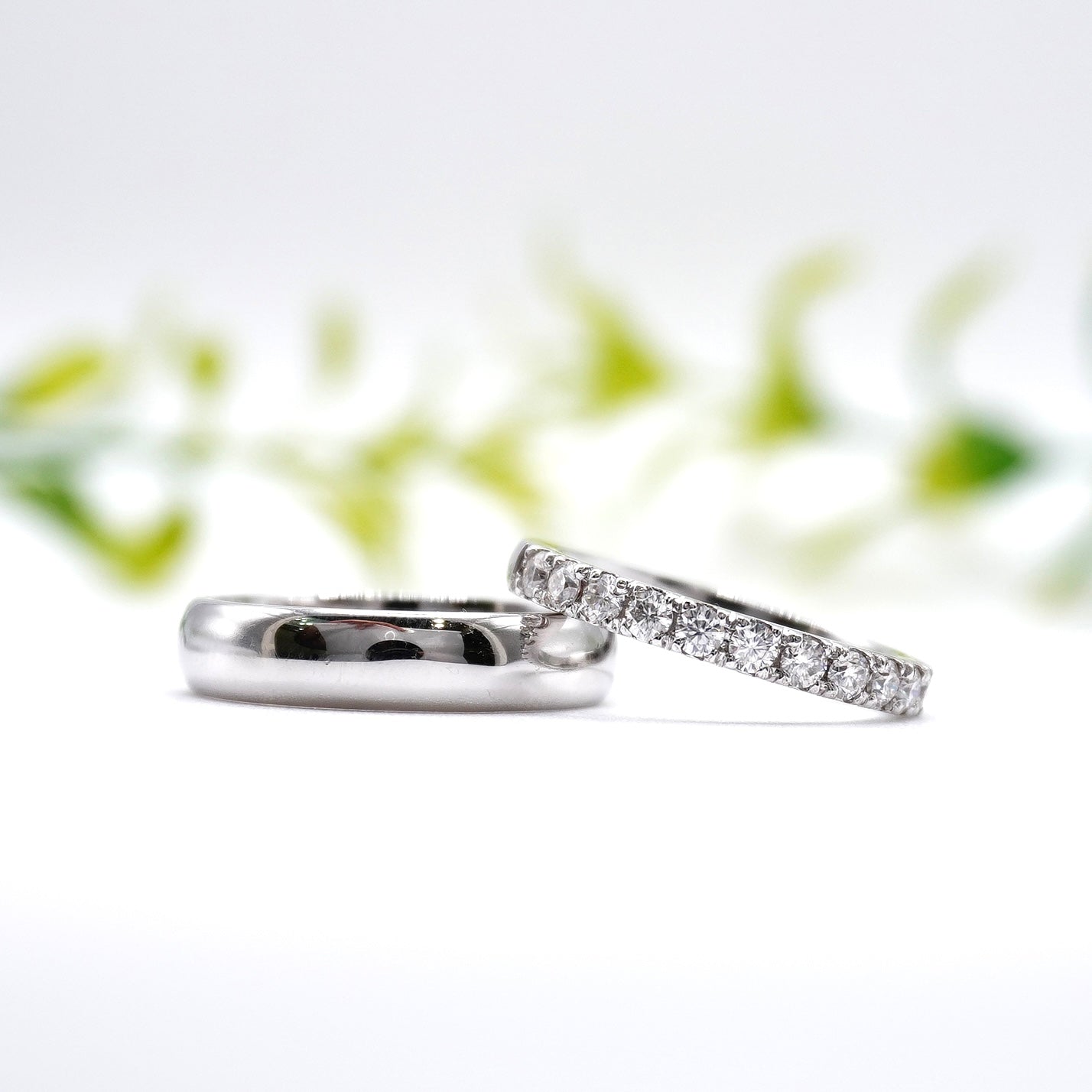
For everyday wear, both metals can last decades with proper care. However, silver tarnishes when exposed to air and moisture, something the humid Philippine climate accelerates dramatically. Gold doesn't tarnish, which is why it's often recommended for pieces you'll wear constantly, like wedding rings or everyday necklaces.
The Skin Sensitivity Factor
This is crucial information that doesn't always come up during sales conversations. Some Filipinos experience allergic reactions to jewelry, and the culprit is usually nickel, a metal often mixed with both gold and silver to create alloys.
White gold, popular in many jewelry shops across the Philippines, frequently contains nickel and is plated with rhodium. When that plating wears off, skin reactions can occur. Sterling silver typically uses copper as its alloy, which is generally safer for sensitive skin. If you have metal allergies, specifically ask about the alloy composition before purchasing from any jewelry shop Philippines locals recommend.
Investment Value: What Retailers Won't Emphasize
Gold is universally recognized as a store of value. You can walk into almost any jewelry shop in the Philippines and sell gold pieces, though you'll typically receive only the melt value minus a small fee. This makes gold jewelry a reasonable investment that holds value over time.
Silver, despite being precious, doesn't hold investment value in the same way when crafted into jewelry. The resale value is often disappointingly low because labor and design costs far exceed the metal's actual worth. Luccerings and other reputable shops will buy back pieces, but expect to receive a fraction of what you paid.
Maintenance Costs Over Time
Your jewelry shop in the Philippines will sell you the piece, but what about five years down the road? Gold requires minimal maintenance, occasional professional cleaning, and inspection for loose stones. Silver demands much more attention in the Philippines' tropical environment.
Expect to polish silver jewelry every few weeks to combat tarnishing. Professional cleaning might be needed quarterly. White gold requires rhodium replating every few years, costing anywhere from ₱2,000 to ₱5,000 depending on the piece's size. These ongoing costs rarely factor into initial purchase decisions but significantly impact long-term ownership.
Style Longevity and Fashion Trends
Here's something fashion-conscious Filipinos should know: silver offers more flexibility for trendy, statement pieces because of its lower price point. You can experiment with bold designs without major financial commitment. Gold, being more expensive, tends to push buyers toward classic, timeless styles that won't look dated in ten years.
Brands like Luccerings often showcase both metals in contemporary designs, but the purchasing pattern is clear: silver for fashion-forward pieces, gold for heirloom-quality investments.
The Karat Confusion
When shopping at any jewelry shop Philippines, you'll encounter terms like 10k, 14k, 18k, and 24k gold. Many customers don't realize that 24k gold is too soft for most jewelry applications. In the Philippines, 14k and 18k are most common.
The karat indicates purity: 24k is pure gold, 18k is 75% gold, and 14k is 58.3% gold. Lower karat gold is more durable but less valuable. Some jewelry shops might not volunteer this information unless you ask directly, instead focusing on the overall design and price.
Making the Right Choice for You
So, should you choose gold or silver? Consider these factors honestly:
Your budget matters most. If you're spending ₱10,000 or less, silver gives you more design options and larger pieces. Above ₱20,000, gold becomes a worthwhile consideration for its lasting value.
Think about your lifestyle. Active individuals who wash hands frequently, work with chemicals, or exercise regularly might find Gold's low-maintenance nature worth the extra cost. Silver's tarnishing can become frustrating for busy people.
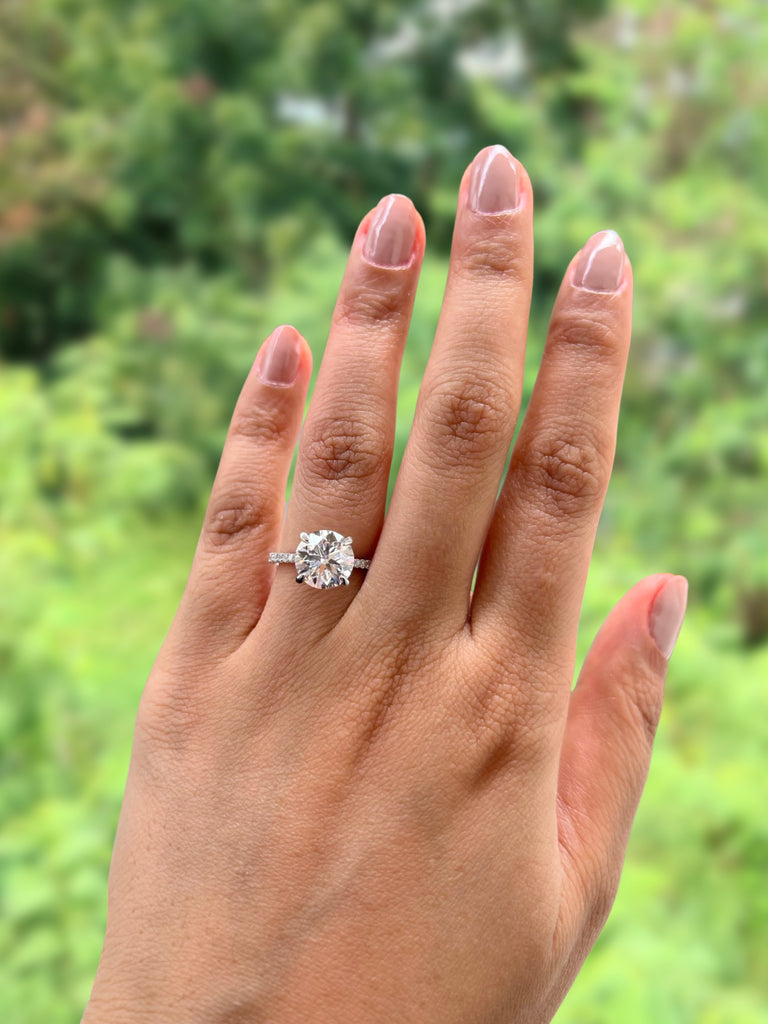
Consider the occasion. Engagement rings, wedding bands, and heirloom pieces justify gold's investment. Fashion jewelry, experimental styles, and pieces for special occasions work perfectly well in silver.
Where to Shop in the Philippines
Whether you choose Luccerings for their contemporary designs or explore other jewelry shops across the Philippines, prioritize retailers who provide certificates of authenticity, clear karat markings, and transparent pricing. Reputable shops will answer all your questions about metal content, maintenance, and resale value without hesitation.
The Philippines has a rich tradition of jewelry craftsmanship, from Greenhills shopping center to high-end boutiques in Makati. Don't let the sparkle blind you to the practical realities of gold versus silver ownership.
The Bottom Line
Every jewelry shop in the Philippines wants to make a sale, but the best purchases come from informed decisions. Gold offers durability, investment value, and timeless appeal at a premium price. Silver provides affordable beauty, design flexibility, and contemporary style with higher maintenance needs.
Neither metal is inherently better. Your perfect choice depends on your budget, lifestyle, and what you value most in jewelry. Now that you know what many shops won't readily tell you, you're equipped to make the right decision for your needs.
Visit trusted retailers like Luccerings, ask the tough questions this article raised, and invest in pieces that will bring you joy for years to come. Your jewelry should enhance your life, not create buyer's remorse.