


Weeds are one of the biggest challenges for farmers, affecting crop yield, soil health, and overall productivity. Pre-emergent weed killers have emerged as an essential tool in modern agriculture, helping prevent weeds before they can establish themselves. Choosing the right pre-emergent solution is critical, especially because soil type significantly influences the effectiveness of herbicides. In this article, we explore how different soils interact with pre-emergent weed killers, the types available, and tips for maximizing their efficiency.
Understanding Pre-Emergent Weed Killers
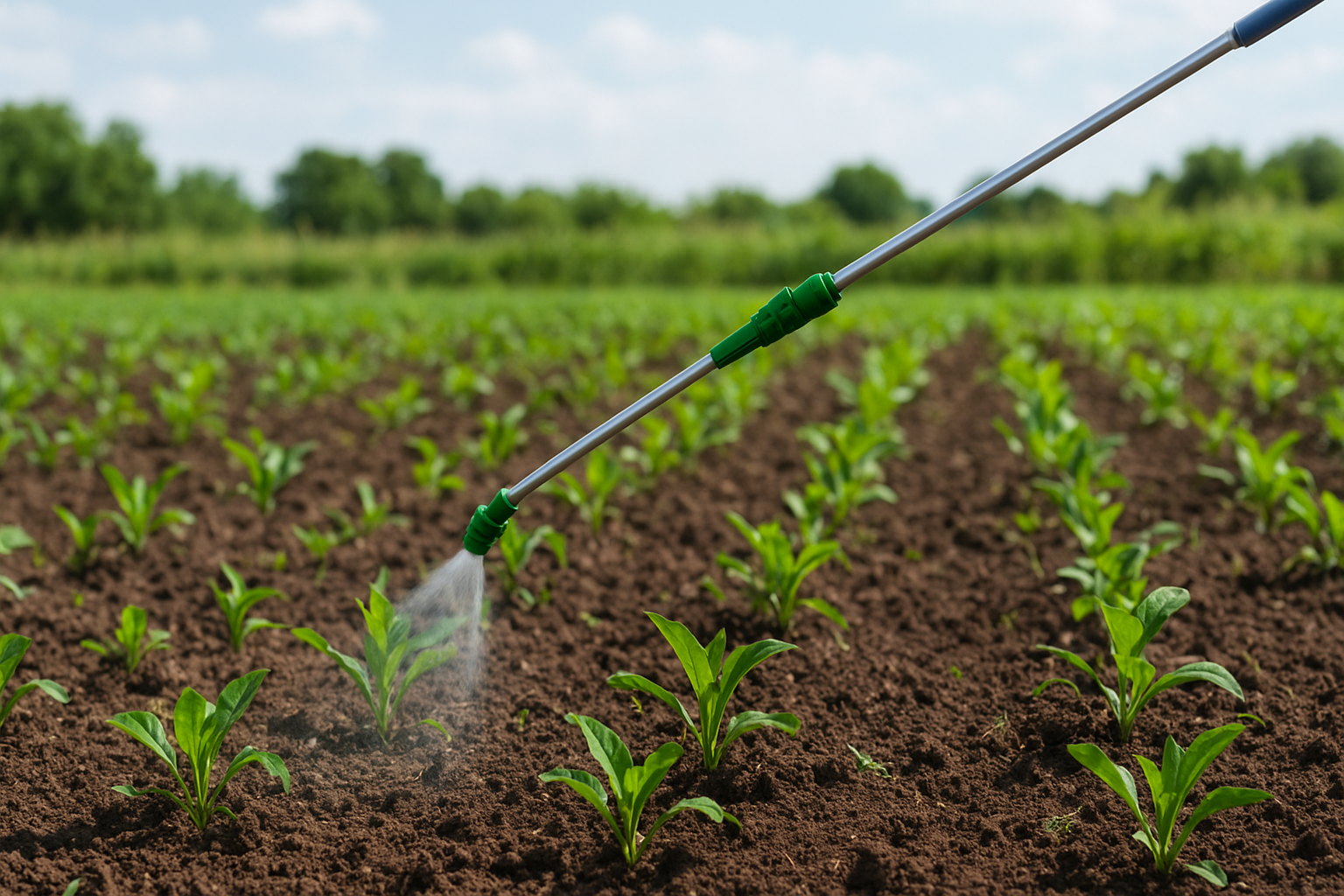
Pre-emergent weed killers are chemicals applied to the soil to prevent weed seeds from germinating. Unlike post-emergent herbicides, which act on established weeds, pre-emergent solutions create a protective barrier at the soil surface. This ensures that weeds never reach a stage where they compete with crops for nutrients, sunlight, and water.
Farmers often choose pre-emergent herbicides based on their specific needs, whether targeting broadleaf weeds, grassy weeds, or a combination. One popular category is broadleaf pre-emergent herbicides, designed specifically to prevent broadleaf weeds like dandelions, pigweed, and lambsquarter.
How Soil Types Affect Pre-Emergent Herbicide Performance?
Soil composition plays a critical role in how effectively a pre-emergent weed killer works. Understanding your soil type ensures optimal herbicide performance and protects crops from unintended stress.
1. Sandy Soil
Sandy soils drain quickly and have low nutrient-holding capacity. While this is beneficial for reducing waterlogging, it can cause pre-emergent herbicides to leach quickly, reducing their effectiveness.
Tips for sandy soils:
- Apply pre-emergent weed killers closer to planting time.
- Use higher adsorption formulations to prevent rapid leaching.
- Incorporate the chemical lightly into the soil with irrigation or light tilling.
2. Clay Soil
Clay soils have high nutrient and water retention, but they can be dense, causing poor aeration. Herbicides may bind too strongly to clay particles, reducing their bioavailability for weed seeds.
Tips for clay soils:
- Adjust herbicide dosage according to soil binding capacity.
- Ensure proper irrigation after application to help distribute the herbicide evenly.
- Use formulations specifically designed for heavy soils to maximize weed control.
3. Loamy Soil
Loamy soils are ideal for agriculture due to their balanced texture and nutrient content. They offer moderate water retention and good drainage, making pre-emergent weed killers highly effective in these soils.
Tips for loamy soils:
- Standard application rates often work well.
- Timing is crucial to apply before weed seeds germinate for maximum efficiency.
- Combine with organic mulch to extend herbicide effectiveness.
4. Silty Soil
Silty soils retain water well but can compact easily. Pre-emergent herbicides may concentrate near the surface if the soil crusts after irrigation or rainfall, limiting penetration.
Tips for silty soils:
- Light tillage or incorporation can help distribute the herbicide evenly.
- Monitor soil moisture; avoid over-irrigation to prevent runoff.
- Broadleaf pre-emergent herbicides work particularly well in silty soils prone to broadleaf weed infestation.
Choosing the Right Pre-Emergent Herbicide
When selecting a pre-emergent herbicide, farmers should consider:
- Target Weed Species – Choose between general-purpose pre-emergents or broadleaf pre-emergent chemicals based on the weed pressure in your fields.
- Soil Type – Ensure compatibility with sandy, clay, loamy, or silty soils.
- Crop Safety – Select herbicides that are safe for your crop type while effectively controlling weeds.
- Persistence – Some herbicides remain active in the soil longer, which can be beneficial or harmful depending on crop rotation.
Application Best Practices
To maximize the effectiveness of pre-emergent weed killers:
Timing Matters: Apply before weed seeds germinate, often in early spring or pre-monsoon for tropical regions.
Proper Incorporation: Light irrigation or tilling helps move the herbicide into the topsoil, ensuring consistent coverage.
Follow Dosage Instructions: Over-application can harm crops, while under-application may be ineffective.
Monitor Soil Conditions: Adjust application based on soil moisture, texture, and organic matter content.
Benefits of Using Pre-Emergent Weed Killers in Agriculture
Reduced Weed Pressure: Minimizes competition for nutrients, sunlight, and water.
Improved Crop Yield: Healthier crops can grow without being choked by weeds.
Labor Savings: Reduces the need for manual weeding and post-emergent chemical applications.
Sustainable Farming: Some modern pre-emergent herbicide formulations are eco-friendly, reducing environmental impact.
Future Trends in Pre-Emergent Weed Killers
Agriculture is rapidly evolving, and pre-emergent solutions are no exception. Emerging trends include:
Environmentally Safe Herbicides: Eco-friendly chemicals that degrade naturally without harming the soil ecosystem.
Precision Application: Drones and smart sprayers can apply herbicides accurately, minimizing waste and maximizing effectiveness.
Integrated Weed Management: Combining chemical, mechanical, and biological methods for more sustainable weed control.
Crop-Specific Formulations: Broadleaf pre-emergent herbicides tailored for specific crops to enhance yield and safety.
Final Thoughts
Effective weed management starts with understanding your soil and selecting the right pre-emergent weed killers. From sandy to clay soils, the choice of herbicide, application method, and timing is crucial for optimal crop protection. Modern agriculture benefits from pre-emergent herbicides that target weeds before they emerge, reduce labor costs, and promote higher yields.
By combining knowledge of soil types, appropriate broadleaf pre-emergent or chemical solutions, and sustainable practices, farmers can achieve healthier crops and more productive farmland. Investing in the right pre-emergent weed control strategy is no longer optional—it’s essential for modern, profitable, and sustainable farming.
FAQs
1. What are pre-emergent weed killers, and how do they work in agriculture?
Pre-emergent weed killers are herbicide chemicals applied to soil to prevent weed seeds from germinating. They create a protective barrier in the soil, stopping weeds before they emerge, which helps crops grow without competition.
2. How do soil types affect pre-emergent herbicide performance?
Soil texture and composition sandy, clay, loamy, or silty) affect herbicide retention, absorption, and effectiveness. Sandy soils may require repeated applications, while clay soils need formulations that prevent overbinding.
3. Which pre-emergent weed killers are best for broadleaf weeds?
Broadleaf pre-emergent herbicides are specifically designed to control weeds like dandelions, pigweed, and lambsquarter. Selecting crop-safe formulations ensures effective weed control without harming the main crop.
4. Can pre-emergent herbicides be used in organic farming?
Some pre-emergent herbicide chemicals are approved for use in organic farming. However, farmers often prefer eco-friendly or natural formulations to minimize chemical impact on soil and crops.
5. When is the best time to apply pre-emergent weed killers?
Apply pre-emergent weed killers before weed seeds germinate. For most crops, this is early spring or pre-monsoon, depending on regional climate and soil conditions. Timing ensures maximum weed control.
6. Do pre-emergent weed killers improve crop yield?
Yes, by preventing weeds from competing with crops for nutrients, water, and sunlight, pre-emergent weed killers help increase crop yield, improve soil health, and reduce labor costs associated with manual weeding.
7. How do I choose the right pre-emergent herbicide for my soil?
Consider soil type, crop type, and target weeds. Sandy soils require leach-resistant formulations, clay soils need herbicides that bind moderately, and loamy or silty soils respond well to standard pre-emergent weed killers.
8. Can pre-emergent weed killers prevent herbicide-resistant weeds?
When used as part of an integrated weed management plan, pre-emergent herbicides reduce the reliance on post-emergent chemicals, lowering the risk of herbicide-resistant weed development.
9. Are pre-emergent weed killers safe for crops?
Modern pre-emergent herbicides are crop-safe when applied according to label instructions. Choosing the correct broadleaf pre-emergent or soil-specific formulation ensures minimal crop damage.
10. What are the latest trends in pre-emergent weed killers for agriculture?
Trends include eco-friendly herbicide chemicals, crop-specific formulations, smart application technology using drones or precision sprayers, and integration with sustainable farming practices to enhance yield and soil health.





Gardeners know that weeds could be killjoys.
Since some plants that were darn will not quit growing where they should not of the work that you place into tilling the soil might be lost.
But using because almost all of them aren't discerning herbicide may mean death, and that means you want to know when to apply weed killer, if at all.For many gardeners, the ideal method stays uprooting the bud plant roots and tilling the soil.
Painstaking, but nevertheless effective.If you are going the method of chemical herbicides, hang .
In this guide, we will take a look at how to pick on exactly what kind you need to use for your plants into your backyard, and also when to use weed killer.
It is possible to visit this informative article if you would like to find the very best weed killers.