


Running a nonprofit comes with a unique set of challenges. Teams often work with limited budgets, strict reporting requirements, and the constant need to show donors exactly where every dollar is spent. At the same time, nonprofits must manage volunteers, track programs, handle donations, maintain accounts, and stay compliant with regulations. When all these operations run on scattered spreadsheets and disconnected tools, things become chaotic very quickly.
This is where Odoo ERP implementation for nonprofits makes a meaningful difference. Odoo brings everything-programs, donors, volunteers, finance, and communication-onto one unified platform. Instead of juggling multiple software tools, nonprofits get a centralized system that helps them work with more clarity and control.
Nonprofits do not need technology for the sake of technology. They need something that saves time, reduces mistakes, and helps them use their limited resources in a smarter way. Odoo fits this need extremely well because of its flexibility, affordability, and ability to automate processes that otherwise take hours of manual effort.
Why Nonprofits Are Turning to Odoo
Most nonprofit teams are stretched thin. Staff members usually handle multiple roles, and volunteers come and go. Managing year-round activities with this setup becomes difficult, especially when information is scattered across email threads, paper files, and old spreadsheets.
Odoo for nonprofit organizations solves this problem by creating a single source of truth. Every department works on the same system, so information is always updated, accurate, and easy to find.
Here are a few reasons nonprofits prefer Odoo over traditional management tools:
- It reduces administrative burden
- It offers real-time visibility into funds and programs
- It helps meet compliance and donor-reporting requirements
- It is customizable to different types of nonprofit activities
- It is cost-effective for organizations that must justify every expense
Whether it’s a charity, NGO, foundation, or community-based organization, Odoo makes daily work smoother and more transparent.
Improving Resource Utilization With a Unified System
Nonprofits must make the most of every resource, whether it’s funds, volunteers, time, or materials. With Odoo, organizations get a clearer picture of where resources are being used and how they can be allocated more effectively.
For example, if a nonprofit runs multiple programs across different regions, Odoo helps track expenses, staff deployment, and performance metrics in each location. Leaders can see which programs need more support and which ones are running efficiently. This level of clarity is difficult to achieve with separate systems.
A mid-sized NGO once struggled to track supplies for disaster relief. They stored inventory details in different spreadsheets, which often led to duplication or shortages. After switching to an Odoo NGO management system, they could track stock levels in real time. During emergencies, they knew exactly which items were available and where they were stored. This helped them respond faster and avoid unnecessary purchases.
Resource optimization becomes easier when everything is transparent and accessible in one place.
Enhancing Donor Trust Through Transparency
Transparency is one of the most important values for nonprofits. Donors want to know how their contributions are being used and whether the organization upholds its promises. When data is scattered, preparing donor reports becomes a stressful task. Inaccurate or delayed reports can also damage credibility.
With Odoo, nonprofits get automated reporting tools that make this process effortless. Donations, expenses, projects, and outcomes are all recorded in the system. Generating detailed reports becomes a matter of minutes instead of days.
For example, when donors support a specific initiative, the system can show exactly how much money was raised, how much was spent, and what results were achieved. This kind of transparency strengthens trust and increases the likelihood of future contributions.
Nonprofits can even set up donor portals, where supporters can track progress themselves. This level of openness creates long-lasting relationships.
Managing Volunteers With Better Coordination
Volunteers are valuable assets, but managing them can be overwhelming without proper tools. Scheduling shifts, tracking hours, assigning tasks, and communicating updates often consume a lot of time.
Odoo simplifies volunteer management by offering:
- Volunteer databases
- Automated scheduling
- Attendance tracking
- Task assignment
- Communication tools
Teams can match volunteers with their skills and availability, which reduces confusion and improves program outcomes. Volunteers also appreciate clear instructions and organized processes, which increases engagement and retention.
Streamlining Financial Accountability
Financial management is one of the most challenging areas for nonprofit organizations. Every transaction must be recorded accurately, and every expense must be justified. Audits, compliance checks, and monthly reports add even more pressure.
Odoo’s accounting features help nonprofits stay compliant and organized. With automated bookkeeping, expense tracking, budgeting, and bank reconciliation, finance teams save hours of manual work.
A small nonprofit with limited staff once struggled to manage grant funds across different projects. After implementing Odoo, they used analytic accounts to track every expense associated with a grant. When it was time for reporting, they had clean, structured data ready to present.
This is one of the biggest advantages of nonprofit ERP solutions-they reduce errors and make financial management stress-free.
Simplifying Program and Project Management
Nonprofit work often involves running multiple programs at once. Each program has its own tasks, deadlines, budgets, and beneficiaries. Without a centralized system, program managers spend too much time coordinating details instead of focusing on impact.
Odoo offers built-in tools for project management that include:
- Task planning
- Progress tracking
- Budget monitoring
- Real-time collaboration
- Document storage
This helps teams stay aligned and reduces the chances of missed deadlines or overspending. Program heads get a clear view of progress, risks, and required actions.
Building a Stronger Organization With Data-Driven Decisions
One of the biggest strengths of Odoo ERP for NGOs is access to real-time data. Leaders no longer need to guess which programs are performing well or which areas need improvement. They get dashboards and reports that show the complete picture.
With accurate data, nonprofits can:
- Improve planning
- Measure impact more effectively
- Identify inefficiencies
- Strengthen fundraising strategies
- Prepare stronger proposals for grants
Data-driven decisions help organizations create bigger impact with fewer resources.
Conclusion
Nonprofits work with heart and purpose, but they also need strong systems to support their mission. Odoo makes this possible by bringing structure, clarity, and transparency to daily operations. With better control over resources, smoother workflows, and accurate data for reporting, nonprofits can focus on what truly matters-creating positive change.
Whether managing volunteers, tracking donations, planning programs, or ensuring compliance, Odoo ERP implementation for nonprofits becomes a dependable foundation. As more organizations adopt digital tools, Odoo stands out as a flexible, affordable, and powerful choice for long-term growth.
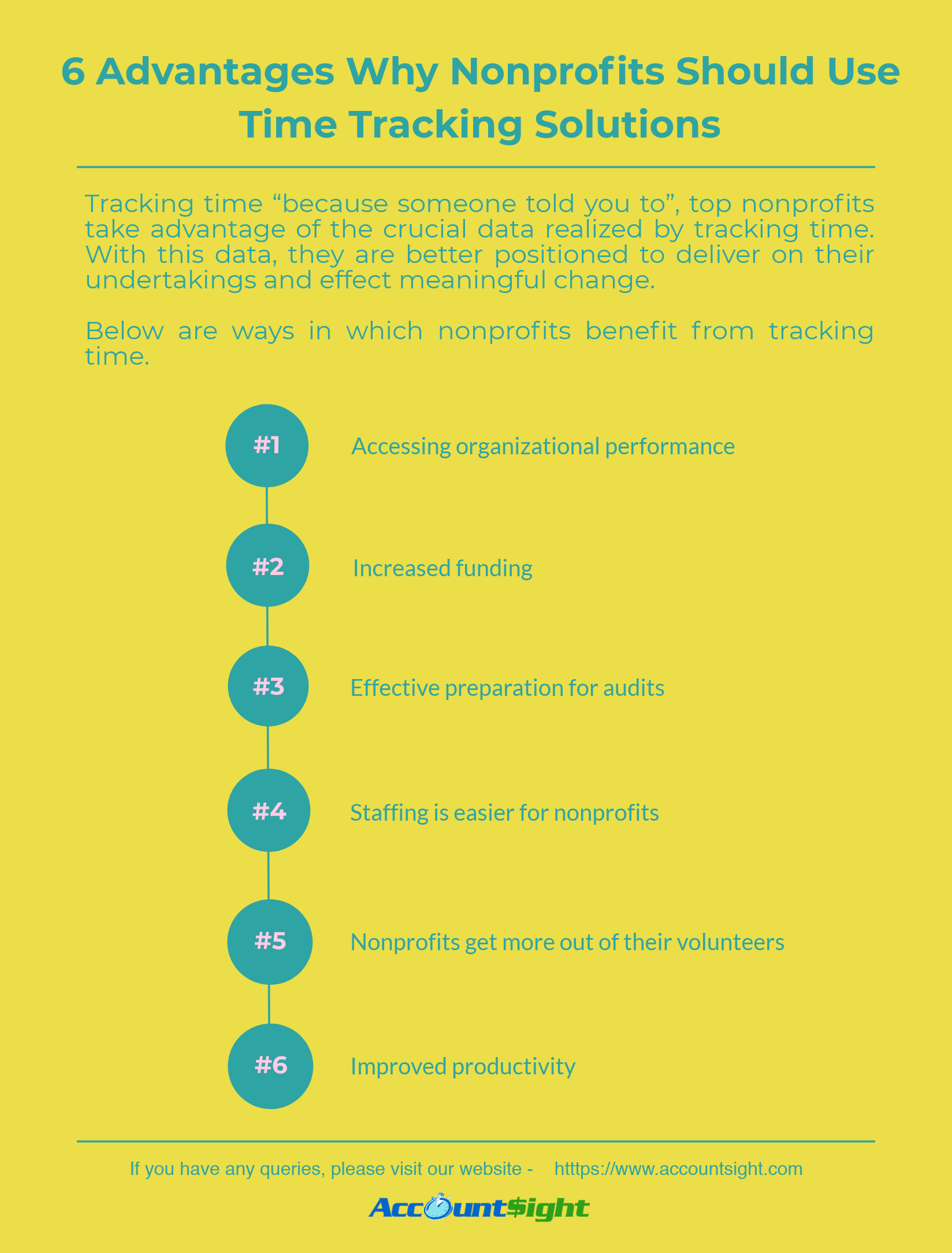
Tracking time “because someone told you to”, top nonprofits take advantage of the crucial data realized by tracking time.
With this data, they are better positioned to deliver on their undertakings and effect meaningful change.