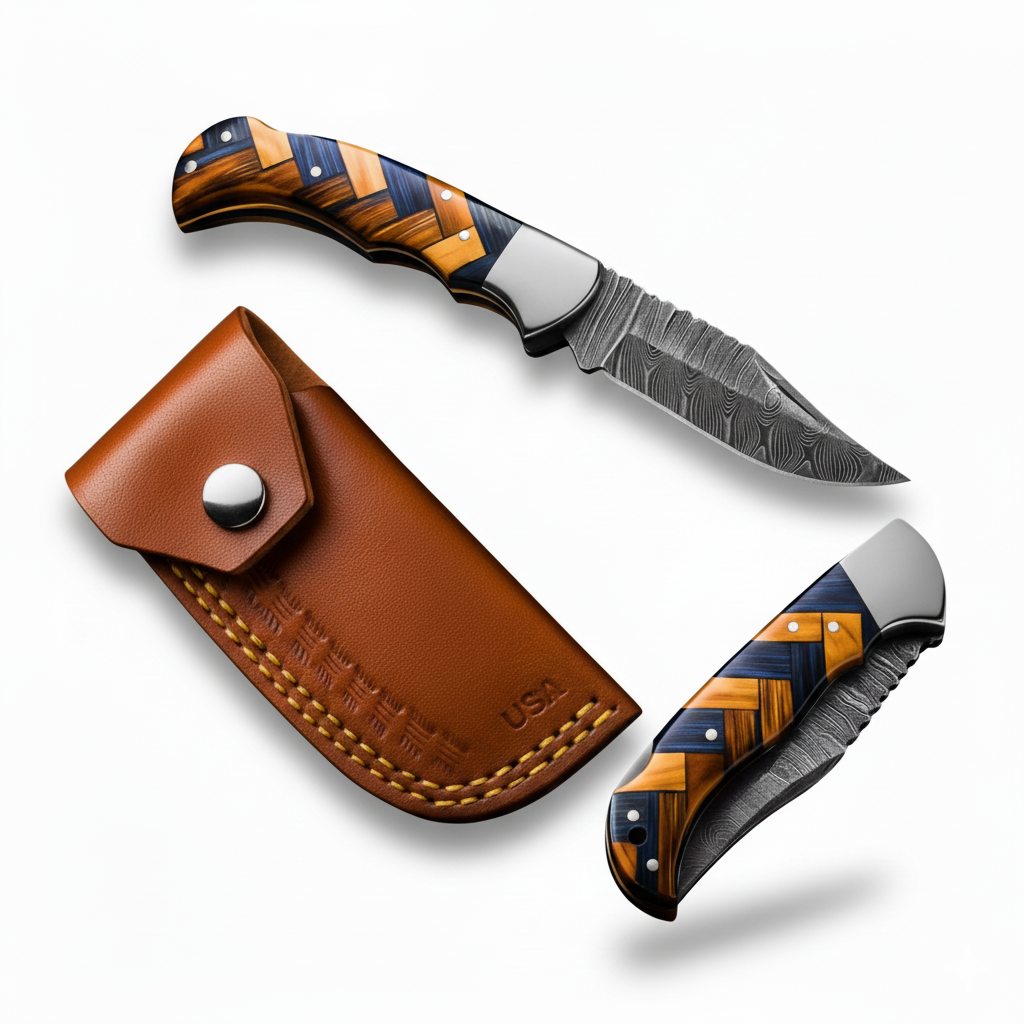
When you pick a knife that you’ll carry every day, whether for small chores, outdoor tasks, or just preparedness; you want something dependable, sharp, and built to last. That’s where Damascus steel pocket knives come in. These knives combine practical performance with beautiful craftsmanship.
In this guide, we’ll go through what makes Damascus steel special, why it’s ideal for EDC, what to watch out for, and how to care for your blade so it stays sharp and reliable for years to come.
What Makes Damascus Steel Ideal for EDC Pocket Knives?
Damascus steel stands out among knife materials for a few important reasons. When used properly in a pocket knife, it offers a fine balance of performance, durability, and beauty. Here’s why many EDC fans prefer it:
Strong Edge Retention and Durability
A properly forged Damascus blade can hold a sharp edge longer than many regular steels. That means less frequent sharpening and a blade that continues to perform reliably even after repeated use. The layers of steel give the blade both hardness (to cut) and flexibility (to resist chipping or breaking).
Unique Look and Craftsmanship
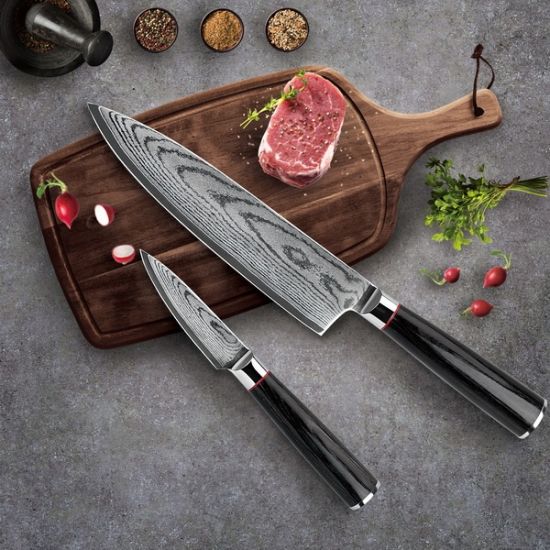
Damascus knives are more than tools, they are works of art. The distinctive wavy or watered patterns appear because multiple layers of different steels are welded, folded, hammered, and forged together. No two Damascus blades look exactly the same. For many, owning a Damascus knife is as much about style and craftsmanship as it is about utility.
Versatile Use: Everyday, Outdoor, or Tactical
Because of their balance of strength, sharpness, and flexibility, Damascus pocket knives are great for a wide range of tasks. From opening packages or cutting rope, to camping, light hunting, or general outdoor use; a good Damascus knife can handle them all. Their compact size and strong build make them great for everyday carry (EDC).
What Is a Damascus Knife?
A Damascus knife refers to a blade made from Damascus steel. In simple terms, Damascus steel is created by layering and forging together different types of steel or iron. During the forging process, these layers are folded, hammered, and heated multiple times. This creates a strong, layered blade and reveals a beautiful pattern on the surface after etching or finishing.
These knives often use high-carbon steel or other quality steel alloys. The repeated folding and forging give Damascus knives their well-known combination of toughness, resilience, flexibility, and ability to hold a sharp edge.
Origins and History of Damascus Steel
The legend of Damascus steel goes far back. Blades with similar qualities were first forged centuries ago; possibly as early as the 4th century in India, and later spreading across the Middle East and Asia. Craftsmen used ancient techniques to produce weapons and knives highly prized for sharpness, strength, and durability.
The steel often travelled via trade routes, and many believe the name Damascus steel comes from the city of Damascus (modern-day Syria), which was once a major hub for trade and craftsmanship. Others argue that the name refers to the “damask-like” patterns on the metal’s surface.
Over time, as knowledge and technique spread across cultures, blacksmiths in various regions worked to replicate and refine the craft.
Though the original method of producing so-called “true Damascus” (often related to ancient wootz steel) was lost or changed over centuries, modern bladesmiths continue to create Damascus-style steel using their own methods, layering, welding, folding, or pattern-welding different steels to achieve a high-performance blade with the traditional look.
Strength and Durability
What Damascus Steel Gives You; and What to Expect
A Damascus knife enjoys excellent overall performance. The layered steel offers both rigidity (to keep the edge sharp) and flexibility (so the blade is less likely to chip or snap under pressure). This makes it a good all-around choice for everyday carry and outdoor use.
Also, Damascus blades often deliver good balance between hardness (for cutting) and toughness (to absorb impact or pressure). As a result, they tend to hold an edge longer than many simple stainless or low-cost steel knives.
That said, performance always depends on how the blade is made. Cheaply made knives that only have a “Damascus-style pattern” etched on the surface (but not through layered forging) will not deliver the same strength or longevity. So it’s important to choose a knife from a reputable maker who forges the Damascus steel properly.
Sharp Edge and Long-Lasting Performance
A high-quality Damascus knife loads you with two big advantages: sharpness and reliability.
Because of the layered construction and the properties of the steels involved, the blade can achieve and retain a razor-sharp edge.
With proper maintenance; cleaning, drying, and occasional sharpening; the knife can remain a trusted everyday tool for years.
For tasks like slicing, cutting, or light chopping, Damascus knives often outperform ordinary stainless knives.
But keep in mind: such blades need care. Damascus steel can be more prone to rust or corrosion than stainless steel if left wet or not cleaned properly. So regular cleaning and drying is vital.
Unique Aesthetic Appeal
One of the biggest draws of Damascus knives is how they look. The wavy watered patterns on the blade make every knife unique. You won’t find two Damascus knives that are identical, even if they come from the same maker.
This aesthetic appeal makes Damascus knives popular not just among practical users, but among collectors, outdoors-enthusiasts, and people who appreciate craftsmanship and design. Owning a Damascus knife can feel like owning a piece of history or art rather than just a sharp tool.
Handle, Ergonomics and Balance Matter
A knife's blade isn’t everything; the handle and balance are equally important for comfort, safety, and usability, especially if you use the knife often or for extended periods. Here’s what to look for:
A well-designed handle fits comfortably in your hand and reduces fatigue, especially when using the knife repeatedly.
Handle material matters: wood gives a traditional, warm feel (though regular wood can be prone to water damage; so stabilized wood or resin-treated wood is better), micarta gives strong grip even when wet, and synthetic materials (like G10, carbon fiber overlays, or resin composites) offer durability and resistance to moisture.
The blade-handle balance should feel natural: a well-balanced knife moves easily when cutting and doesn’t strain your wrist or hand.
A balanced, comfortable handle helps make a Damascus knife not just beautiful, but genuinely practical for everyday tasks, kitchen work, outdoor use, or even camping.
What to Check Before Buying a Damascus Pocket Knife

When you’re ready to buy a Damascus pocket knife, keep these tips in mind to ensure you get a blade that lives up to the promise:
Real pattern-welded Damascus: not just etched steel. Check how the knife was made. If the wavy pattern is only on the surface, the knife won’t perform like true Damascus.
Good handle material and design: Look for comfortable grip, balanced weight, and durable handle material (wood, stabilized wood, micarta, G10, etc.).
Proper forging and finish: A well-forged blade will have even layering, no weak spots, and a good finish (acid-etched or otherwise) that reveals the pattern.
Maintenance requirements: Real Damascus steel often needs more care than stainless steel: clean after use, dry immediately, and occasionally oil the blade to prevent rust.
Suitability for your use: If you want a lightweight EDC, choose a compact real pocket knife. If you plan to do heavier work (camping, cutting rope, small branches), choose a sturdier model with a thicker blade and solid handle.
Care and Maintenance Tips for Damascus Knives
A Damascus knife can last decades; but only if you treat it right. Here are simple care guidelines:
Always hand-wash the knife. Avoid dishwashers.
- Dry it immediately after washing. Moisture left on the blade can cause rust or corrosion.
- Occasionally apply a light coat of oil (food-safe oil if used in the kitchen) to protect the blade.
- Store in a dry, ventilated place; avoid damp or humid storage.
- If the blade loses its edge, sharpen it carefully; preferably on a whetstone, to preserve both sharpness and pattern integrity.
Why Damascus Knives Are More Than Just Knives
When you choose a quality Damascus pocket knife, you get more than a cutting tool; you get a blend of tradition, art, and performance. Such knives connect you to centuries-old metalworking traditions, while still serving practical everyday needs. A Damascus knife can be:
- A reliable tool for daily tasks
- A rugged companion for outdoor adventures
- A collectible item or heirloom
- A piece that reflects personal taste and appreciation for craftsmanship
For many, that combination of utility and beauty is what makes Damascus knives special.
Conclusion
Choosing the right pocket knife for everyday carry doesn’t have to mean compromising between performance and style. A well-made Damascus knife offers both; sharpness and durability along with unique design and craftsmanship.
If you decide to go for a Damascus pocket knife, make sure you pick one from a trusted maker, with real pattern-welded steel, a comfortable handle, and proper balance. Treat it with care (wash by hand, dry immediately, oil occasionally), and it will remain a dependable cutting tool for years.
In the end, a Damascus knife is more than steel; it’s a small piece of history, craftsmanship, and practicality crafted into one. For anyone who values both function and beauty, the option extends beyond just a single blade.
You might even consider how an entire damascus knife set could elevate your kitchen tools or culinary experience, offering that same blend of performance and style for all your cutting needs. For everyday carry, however, a single well-chosen piece can be the perfect companion.
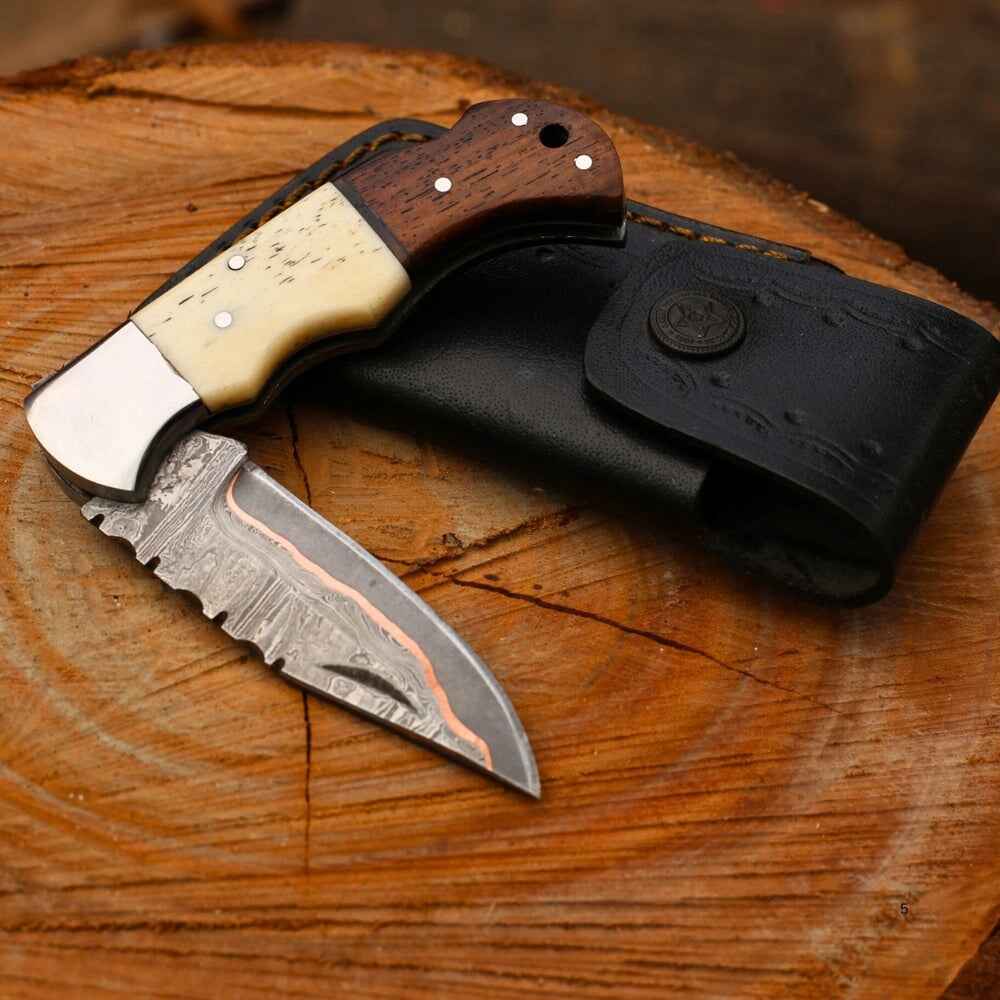
Damascus pocket knifeShop for the best Damascus steel knives online at best prices.
Click here to find huge selection of folding, fixed blade.
Damascus steel Bowie, hunting & pocket knives.Visit site - https://www.damascussteelknifehub.com/