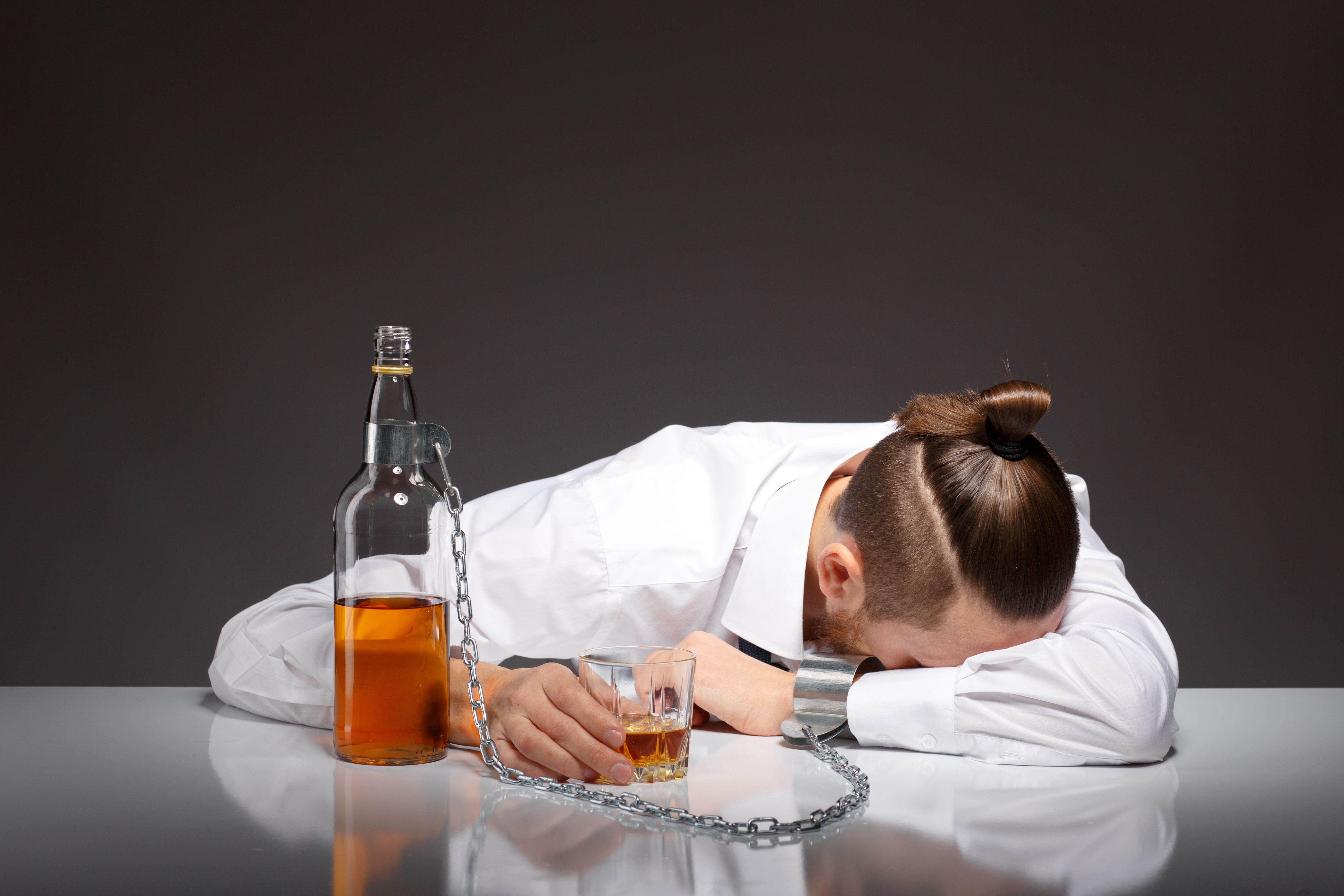
When we hear the term rehabilitation, images of physical therapy gyms or addiction treatment often come to mind. While these are vital aspects, the true essence of rehabilitation runs much deeper. It is a profound, holistic philosophy of healing that moves beyond mere symptom management. At its core, rehabilitation is the dedicated process of restoring an individual’s capacity to live a full, independent, and meaningful life after a period of illness, injury, or addiction. It is not about returning to a previous state, but about building a new, stronger foundation for the future—equipping a person with the tools, confidence, and resilience to thrive.
In the context of a medical center, this philosophy transforms into a structured, compassionate practice. It represents a shift from a purely medical model—which asks, “What is wrong with you?”—to a rehabilitative model that asks, “What do you need to live well?” This distinction is crucial. It frames the individual not as a passive patient, but as an active participant in their own healing journey. Whether the challenge is recovering from a stroke, managing a chronic mental health condition, or overcoming substance dependence, effective rehabilitation addresses the whole person: their physical health, psychological well-being, and social integration.
The Pillars of Holistic Rehabilitation
A truly effective rehabilitation program is built on several interconnected pillars, each essential for sustainable recovery.
1. Medical Stabilization and Personalized Care: The journey begins with ensuring physical and psychiatric stability. This may involve supervised detoxification, medication management, or treatment for co-occurring conditions. However, this medical foundation is just the starting point. It creates the safety and stability necessary for the deeper work of healing to begin. In a holistic model, medical care is continuously integrated with therapeutic progress, each informing the other.
2. Intensive Psychotherapy and Skill-Building: This is the engine of personal transformation. Through modalities like Cognitive Behavioral Therapy (CBT), Dialectical Behavior Therapy (DBT), and trauma-informed care, individuals learn to understand their conditions, process underlying pain, and dismantle destructive patterns. But therapy in a rehabilitative setting goes beyond talk. It is inherently practical, focusing on skill-building. Patients develop concrete tools for emotional regulation, stress management, communication, and relapse prevention—skills that become their toolkit for life.
3. Psychosocial and Functional Rehabilitation: This pillar is what often differentiates rehabilitation from other forms of treatment. It focuses on rebuilding the individual’s functional capacity in the real world. This can encompass a wide range of activities:
Life Skills Training: Relearning or enhancing abilities in cooking, budgeting, personal care, and time management.
Vocational Counseling and Support: Exploring career paths, building resumes, and developing workplace skills to restore purpose and economic independence.
Social Reintegration: Practicing interpersonal skills and gradually rebuilding comfort with community activities, often through therapeutic outings and group exercises.
The Rehabilitative Environment: A Community of Healing
Perhaps the most powerful component of a dedicated rehabilitation center is the environment itself. It is a intentionally designed community—a temporary sanctuary separate from the triggers and stresses of daily life. Within this space, individuals find more than treatment; they find connection. The peer support fostered in group therapy and shared living experiences is invaluable. It breaks the isolation of suffering, normalizes challenges, and creates a network of mutual understanding and accountability. This community becomes a microcosm of a healthier world, where individuals practice new ways of being before transitioning home.
The Goal: Sustainable Independence and a Reclaimed Future
The ultimate objective of rehabilitation is not indefinite care, but empowered independence. From the first day, the focus is on equipping the individual for a successful life beyond the center’s walls. This forward-looking approach is embodied in comprehensive discharge and aftercare planning. A robust plan ensures continuity of care, connecting individuals to outpatient therapists, local support groups, and community resources. The center’s role is to be a launchpad, providing the momentum and direction for a lifelong journey of wellness.
Choosing to engage in a structured rehabilitation program is an act of profound courage and self-advocacy. It is a declaration that one’s life is worth the effort of rebuilding. It is a commitment to moving from surviving to thriving. In this journey, individuals do not simply recover what was lost; they often discover new strengths, deeper self-awareness, and a more resilient sense of purpose. Rehabilitation, in its truest form, is the process of not just healing the person, but of helping them construct a life they are passionate to live. It is the bridge between crisis and possibility, and for countless individuals, it is the beginning of their most meaningful chapter.