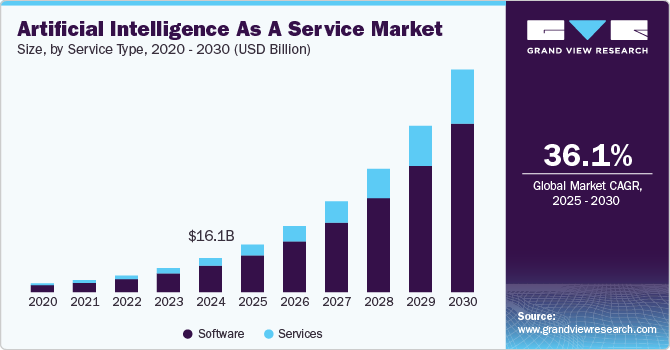
Artificial Intelligence (AI) is no longer a futuristic concept; it’s the backbone of modern innovation. From self-learning chatbots and AI-powered automation tools to predictive analytics and autonomous systems, AI is reshaping every industry. For entrepreneurs, USA tech professionals, and small business owners, this presents a massive opportunity. The global AI market is projected to cross $1 trillion by 2030, making now the best time to launch an AI-driven startup.
However, while many dream of entering the AI space, only a few understand what it truly takes to create an artificial intelligence startup from conceptualizing a profitable idea to assembling the right team, building the technology, finding investors, and scaling the business. Starting an AI company requires strategic planning, strong execution, and deep knowledge of how AI works.
This comprehensive guide will walk you step-by-step through everything you need to know: AI fundamentals, business models, funding options, tech stack selection, team building, AI product development, compliance considerations, and growth strategies. By the end, you’ll have a clear roadmap to launch a successful AI startup in 2026 and beyond.
What Is Artificial Intelligence?
Artificial Intelligence (AI) refers to the ability of machines to simulate human-like intelligence. This includes tasks such as reasoning, learning, decision-making, natural language understanding, and perception.
AI is often misunderstood, leading to common questions like:
- What is artificial intelligence?
- What is an AI?
- How does AI work?
Simply put:
AI is software that can mimic human thinking and perform tasks that traditionally require human intelligence.
AI examples include:
- Chatbots
- Autonomous vehicles
- Recommendation engines
- Predictive analytics tools
- Face recognition systems
- Smart assistants
AI has become foundational in almost every sector, creating a huge opportunity for innovative startups.
How Does AI Work?
To create an artificial intelligence solution, you need to understand the building blocks behind AI systems.
AI works through five key components:
1. Data
AI systems learn from massive datasets containing historical patterns.
2. Algorithms
AI models use mathematical formulas to process data and produce results.
3. Machine Learning
ML enables models to improve accuracy automatically over time.
4. Neural Networks
These mimic the structure of the human brain to detect advanced patterns.
5. Training
AI models are trained repeatedly until they achieve acceptable performance.
Simple Example
You give an AI model 10,000 labeled cat photos → it learns → it can now identify cats in new images.
Key Characteristics of Artificial Intelligence
AI systems share a few core characteristics:
1. Learning
AI improves as it receives more data.
2. Reasoning
It evaluates options and makes logical decisions.
3. Perception
AI interprets images, audio, and sensory input.
4. Problem-Solving
AI identifies patterns and solves complex challenges.
5. Autonomy
Modern AI can operate with minimal human intervention.
Understanding these artificial intelligence characteristics is crucial before launching an AI startup.
Types of AI (Beginner-Friendly Breakdown)
There are four major types of AI:
1. Reactive AI
Basic, no learning capability.
Example: Chess engines.
2. Limited Memory AI
Most commonly, today learns over time.
Example: Chatbots, recommendation engines.
3. Theory of Mind AI
Under development of AI that understands emotions.
4. Self-Aware AI
A hypothetical future AI that is conscious.
As a startup, you’ll mainly focus on:
- Machine Learning (ML)
- Deep Learning
- Natural Language Processing (NLP)
- These powers of most modern AI solutions.
Why Start an AI Company in 2026?
AI is the fastest-growing technology sector on earth.
Key Reasons to Start Now:
1. Huge Market Demand
Industries adopting AI rapidly:
- Healthcare
- Retail
- Cybersecurity
- FinTech
- Real estate
- Logistics
2. High Revenue Potential
AI companies enjoy high recurring revenue through SaaS models.
3. Access to Investors
Venture capital firms are aggressively funding AI startups.
4. Low Barrier to Entry
Open-source AI models like:
- TensorFlow
- PyTorch
- Hugging Face
5. Lack of AI Talent
Companies are desperate to hire AI developers. Your startup could fill this gap.
Step-by-Step Guide: How to Create an Artificial Intelligence Startup
This section is the heart of the guide.
Step 1: Identify a Real-World Problem Worth Solving
Successful AI startups solve big challenges.
Examples of AI startup ideas:
- AI for medical diagnosis
- AI for supply-chain optimization
- AI app for mental health
- AI sales chatbot
- AI content automation tools
- AI for cybersecurity anomaly detection
- Choose a problem that:
- Is painful
- Is expensive
- Occurs frequently
- Affects a large audience
Step 2: Define Your AI Use Case Clearly
Some examples:
- AI machine learning models for predictions
- NLP engines for chatbots
- Computer vision for object detection
- Recommendation engine for ecommerce
- Make your use case specific.
Step 3: Validate Your Idea Before Building
Use these methods:
- Competitor analysis
- Customer interviews
- Prototype landing pages
- Industry reports
- Pre-sales
- This reduces risk dramatically.
Step 4: Build the Right Team
A strong team is essential to create an artificial intelligence product successfully.
Key Roles for an AI Startup
- Artificial Intelligence Developer
- Machine Learning Engineer
- Data Scientist
- AI App Developer
- Full Stack Developer
- Product Manager
- Data Engineer
- Cloud Engineer
- Small teams can combine roles initially.
Step 5: Select the Best AI Tech Stack
Your tech stack depends on your AI use case.
- Recommended Stack for AI Startups
- Programming Languages
- Python
- Java
- JavaScript
- Go
- AI Frameworks
- PyTorch
- TensorFlow
- Keras
- Scikit-Learn
- APIs & Libraries
- OpenAI
- Hugging Face
- LangChain
- spaCy
- Cloud Platforms
- AWS AI
- Google Vertex AI
- Azure ML
Step 6: Build Your AI MVP (Minimum Viable Product)
Your MVP should:
- Solve ONE core problem
- Contain your main AI model
- Have basic UI or automation
- Be testable in the real world
- Examples of AI MVPs
- AI chatbot
- Document summarizer
- Visual search engine
- Predictive analytics dashboard
Start small → scale later.
Step 7: Train & Improve Your AI Model
AI requires constant training.
- Training Steps
- Collect training data
- Clean and label data
- Train using ML frameworks
- Test accuracy
- Optimize performance
- Deploy model
Step 8: Choose the Right Business Model
Popular AI startup models:
1. SaaS Subscription
Most profitable.
2. AI API Licensing
Charge per usage.
3. Enterprise AI Solutions
Custom services.
4. AI Mobile Apps
Great for B2C.
5. Consulting Services
Ideal for early revenue.
Step 9: Funding Your AI Startup
Funding options include:
1. Bootstrapping
Great for early prototypes.
2. Angel Investors
Useful at the idea stage.
3. VC Funding
Ideal for scaling.
4. Government AI Grants
Especially for research-based startups.
5. AI Startup Accelerators
Programs like:
- Y Combinator
- Techstars
- NVIDIA Inception
Step 10: Launch, Market & Scale Your AI Startup
Marketing Strategies
- Thought leadership on LinkedIn
- SEO & content marketing
- AI demo videos
- Influencer partnerships
- Cold outreach
- Community building
- Scale Your AI Startup By:
- Expanding features
- Entering new markets
- Optimizing cloud infrastructure
- Hiring more ML engineers
- Building enterprise partnerships
Conclusion
Creating an artificial intelligence startup in 2026 is one of the smartest business decisions entrepreneurs can make. With AI transforming every major industry, there has never been a better time to build innovative solutions that solve real problems. Whether your goal is to build a SaaS platform, AI-driven mobile app, API-based service, or enterprise automation tool, the steps outlined in this guide provide a clear roadmap to success.
The key is to start small, validate early, leverage open-source tools, and focus on real customer needs. Build a talented AI-first team, choose the right tech stack, design a strong MVP, and iterate using real user feedback. With the right strategy, even a small team can create world-class AI products that scale globally and attract investors.
If you're considering launching an AI product or want to estimate development costs, try our AI Startup Cost Calculator to get an instant budget tailored to your project vision.
FAQs
1. How do I create an artificial intelligence startup from scratch?
Start by identifying a problem, validating the idea, building an MVP, and raising early funding.
2. Do I need coding skills to start an AI company?
Not necessarily, but you need an experienced AI developer on your team.
3. What are the best industries for AI startups?
Healthcare, FinTech, cybersecurity, ecommerce, and logistics.
4. How long does it take to build an AI product?
An MVP typically takes 2–6 months, depending on complexity.
5. What technologies are used to build AI?
Python, TensorFlow, PyTorch, NLP libraries, ML frameworks, and cloud AI tools.
6. How does AI make money?
Subscriptions, licensing, usage-based billing, and enterprise contracts.
7. Is AI expensive to build?
Early versions can be built affordably using open-source tools and cloud credits.
8. Can small businesses benefit from AI startups?
Yes, AI tools automate workflows, reduce costs, and improve efficiency.
Tech-based enabled platform which will enable people to create custom software without doing any of the code.
It was formally and popularly called by the name as SD squared, before being renamed as the Engineer.ai in 2018.