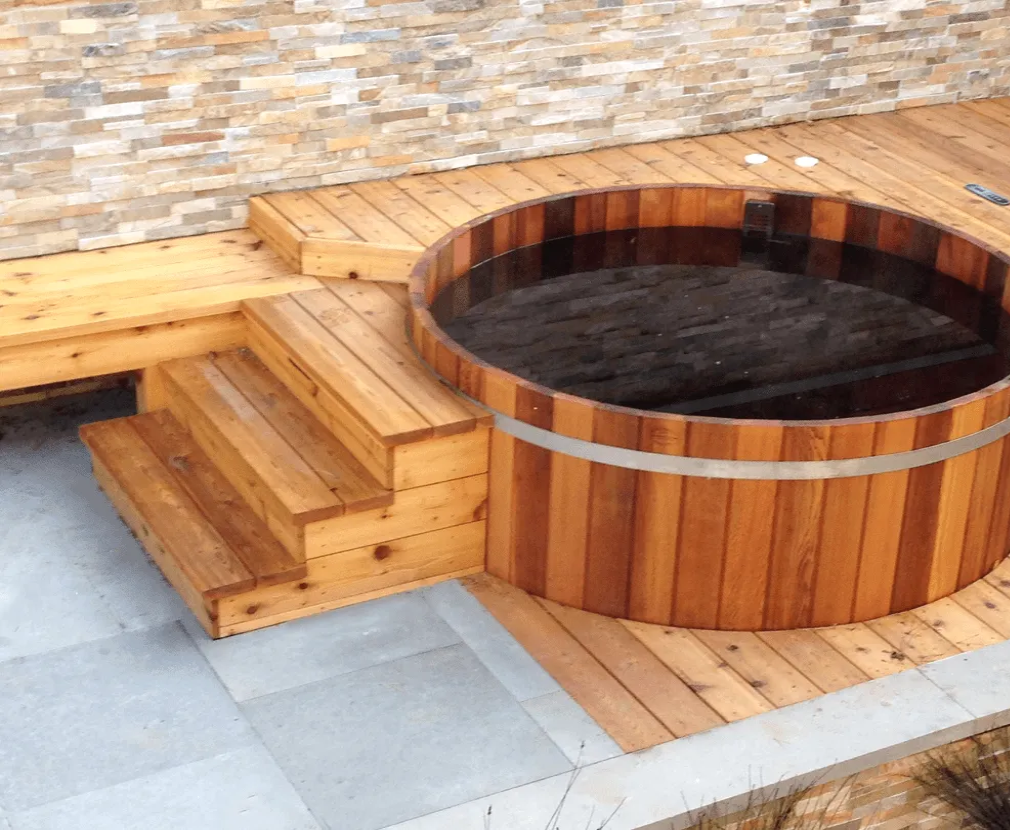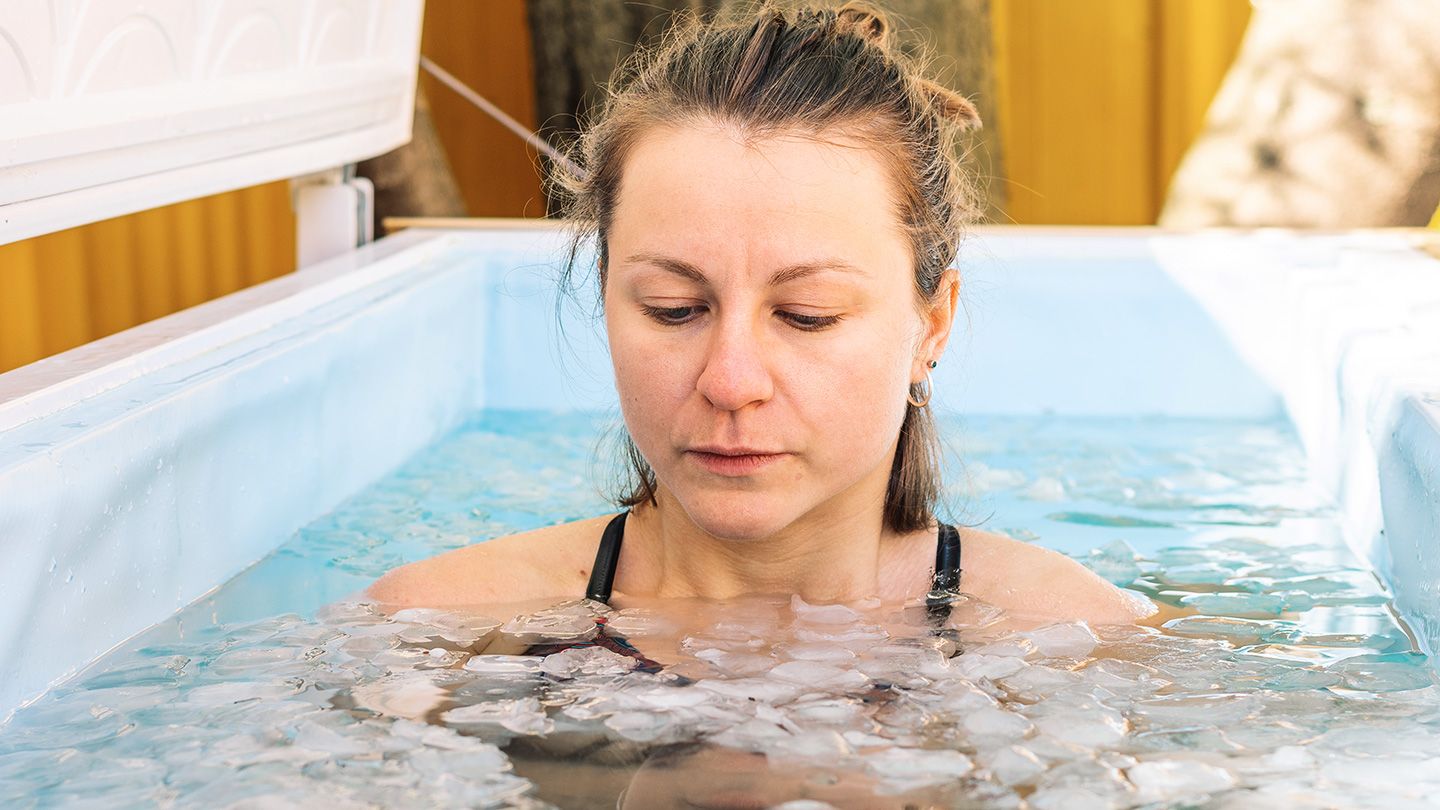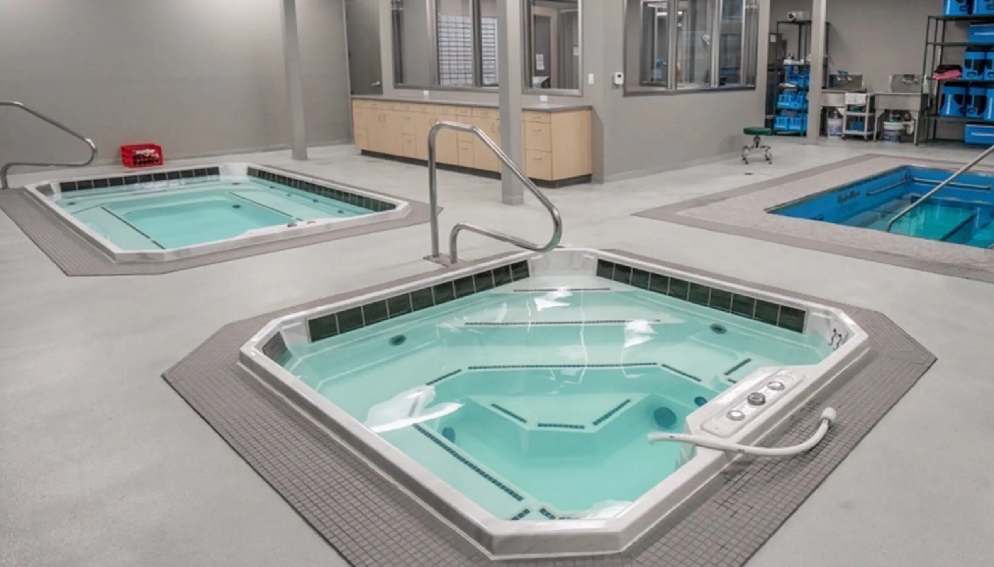
The global market for cold plunge tubs is poised for strong growth in the coming years. According to a recent market study report by Persistence Market Research, the market is predicted to reach a size of US$ 387.2 million by 2025, and is anticipated to expand at a compound annual growth rate (CAGR) of 4.8% during the forecast period, achieving a value of US$ 537.6 million by 2032.
Market Overview
Cold plunge tubs, designed for immersion in cold water as part of recovery and wellness routines, are gaining increasing traction among athletes, wellness enthusiasts, and general consumers. These tubs deliver benefits such as improved circulation, reduced inflammation, and accelerated muscle recovery, making them a compelling addition to gyms, spas, and home wellness installations.
Growth in the market is being propelled by several converging factors:
• Rising adoption of cold-water therapy in professional sports and fitness settings.
• Growing public awareness of recovery, holistic wellness, and stress relief through immersion techniques.
• Technological advances — tubs with smarter temperature control, mobile-app connectivity, and self-cleaning systems — are making the product category more attractive and accessible.
• The home wellness trend, accelerated by the pandemic, has encouraged consumers to invest in equipment that was once reserved for commercial settings.
Request a Sample: https://www.persistencemarketresearch.com/samples/33750
Key Market Dynamics
Drivers
• Commercial establishments such as gyms, wellness centers, and sports recovery facilities are increasingly integrating cold plunge tubs into their offerings as part of premium recovery services. In 2025, the commercial segment is projected to hold about 79% of the market share.
• Above-ground models, given their ease of installation and lower cost, are expected to dominate. Above-ground tubs are projected to account for about 60% of the type-segment share in 2025.
• Smart and eco-friendly designs are capturing buyer interest — units featuring real-time temperature monitoring, app integration, and energy-efficient cooling are gaining traction.
Restraints
• Residential adoption faces challenges around space constraints, especially in urban or high-density housing environments, limiting in-ground installations.
• The need for plumbing, installation preparation, and maintenance may deter some potential buyers in the residential segment.
Opportunities
• As manufacturing efficiencies increase and more entry-level models come to market, the affordability of cold plunge tubs is improving, broadening the consumer base.
• Growth in emerging markets (e.g., Asia-Pacific) where wellness and fitness culture is gaining momentum presents new growth avenues.
• Corporate wellness programs and home-wellness ecosystems are expected to drive further uptake into non-traditional settings.
Top Key Players
• Hotbarrel
• The Ice Bath Co.
• Ice Barrel
• Cold Tub
• iCool
• Renu Therapy
• Plunge
• Brass Monkey Health Ltd
• Jacuzzi Inc.
• BuiltHQ
Request a Customization: https://www.persistencemarketresearch.com/request-customization/33750
Cold Plunge Tub Market Research Segmentation
By Application
• Commercial
• Residential
By Type
• In-ground Cold Plunge Tubs
• Above-ground Cold Plunge Tubs
By Region
• North America
• Latin America
• Europe
• East Asia
• South Asia and Oceania
• Middle East and Africa
Regional Snapshot
North America is projected to lead the market in 2025, capturing a share of around 39%, supported by advanced wellness infrastructure, high disposable income, and strong presence of professional sports and recovery facilities. Other regions including Europe, East Asia, South Asia & Oceania, Latin America, and the Middle East & Africa are also anticipated to contribute meaningfully as awareness and availability expand.
Outlook & Takeaways for Stakeholders
With the projected expansion from US$ 387.2 million in 2025 to US$ 537.6 million by 2032, stakeholders across the value chain — manufacturers, wellness facility operators, distributors, and consumers — have a significant growth horizon ahead. The following strategic considerations may help:
• Product innovation: Incorporating smart features, modularity, ease of installation, and eco-friendly components to differentiate in a growing but competitive market.
• Channel strategy: Leveraging both commercial (fitness centers, spas, sports teams) and residential (home wellness) channels, with tailored models for each segment.
• Regional expansion: Addressing emerging markets with localized models and pricing strategies to capture growth beyond mature regions.
• Consumer education: Building awareness of the health and wellness benefits of cold-water immersion can help expand the potential user base beyond elite athletes to general wellness-oriented consumers.
• Space-efficient design: Especially for residential users, compact and above-ground tubs that require minimal installation may facilitate wider adoption.
Conclusion
The cold plunge tub market is evolving from a niche recovery tool for athletes into a broader wellness solution for both commercial and residential settings. With anticipated steady growth (CAGR 4.8% from 2025 to 2032) to reach US$ 537.6 million, the market offers tangible opportunities for innovators and investors. By aligning product design, distribution strategies, and market education with consumer wellness trends, industry players can position themselves to benefit from this upward trajectory.