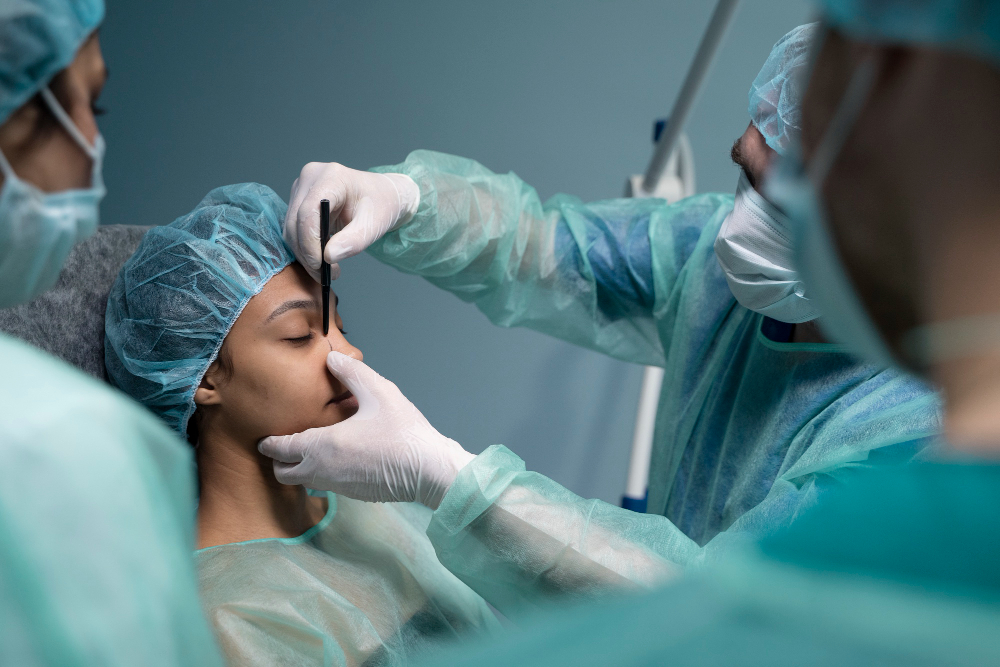
A few years ago, I accompanied a friend to her rhinoplasty consultation. She was nervous, twisting her fingers as we sat in the waiting room. When her surgeon walked in, he smiled warmly and said, “Before we talk about your nose, tell me what brought you here today.”
That one sentence changed the entire tone of the appointment. She relaxed instantly. And I realized something important: a truly expert rhinoplasty surgeon is more than a technician—they’re part artist, part engineer, part psychologist, and part medical guardian.
Whether you're considering rhinoplasty or researching for someone you care about, knowing the qualities that define an expert surgeon can save you stress, regrets, and money. Here are the characteristics that separate the best from the rest.
1. Specialized Training in Rhinoplasty
Rhinoplasty isn’t like other cosmetic procedures. The nose is a small but complex structure, combining bone, cartilage, soft tissue, airway passages, and aesthetic detail. That is why specialization matters.
A top rhinoplasty surgeon typically has:
Board certification in plastic surgery, ENT, or facial plastic surgery
Additional fellowship training specific to rhinoplasty or facial procedures
Hands-on experience in both cosmetic and functional nasal surgery
If you ask a surgeon, “How many rhinoplasties do you perform each month?”—their answer can tell you a lot. Specialists who regularly perform 8–15 rhinoplasties monthly usually possess a level of expertise that general surgeons may not.
2. A Strong Aesthetic Eye
Technical skill is essential, yes—but rhinoplasty is also an art. The best surgeons understand proportions, symmetry, ethnic considerations, and how the nose fits with the rest of the face.
During consultations, top surgeons will study your:
Profile
Chin projection
Nasal tip shape
Bridge height
Overall facial harmony
I once heard a surgeon tell a patient, “I’m not here to change your face. I’m here to enhance it.” That’s the kind of aesthetic sensibility you want—someone who prioritizes balance, not perfection.
3. Excellent Communication & Listening Skills
If a rhinoplasty surgeon doesn’t listen, that’s your first red flag.
A great surgeon will ask questions such as:
“What bothers you most about your nose?”
“What are your expectations for the final result?”
“Do you have any breathing issues?”
“Can you show me reference photos of noses you like?”
During one consultation, I heard a surgeon calmly explain, “Your inspiration photos are great, but let’s talk about what will look natural on your face.” That level of honesty builds trust and helps set realistic expectations.
Communication goes both ways. The surgeon should explain:
The procedure
Risks
Recovery timeline
Potential complications
Expected results
Why certain changes may or may not work for you
When the surgeon is open and transparent, patients feel more confident and informed.
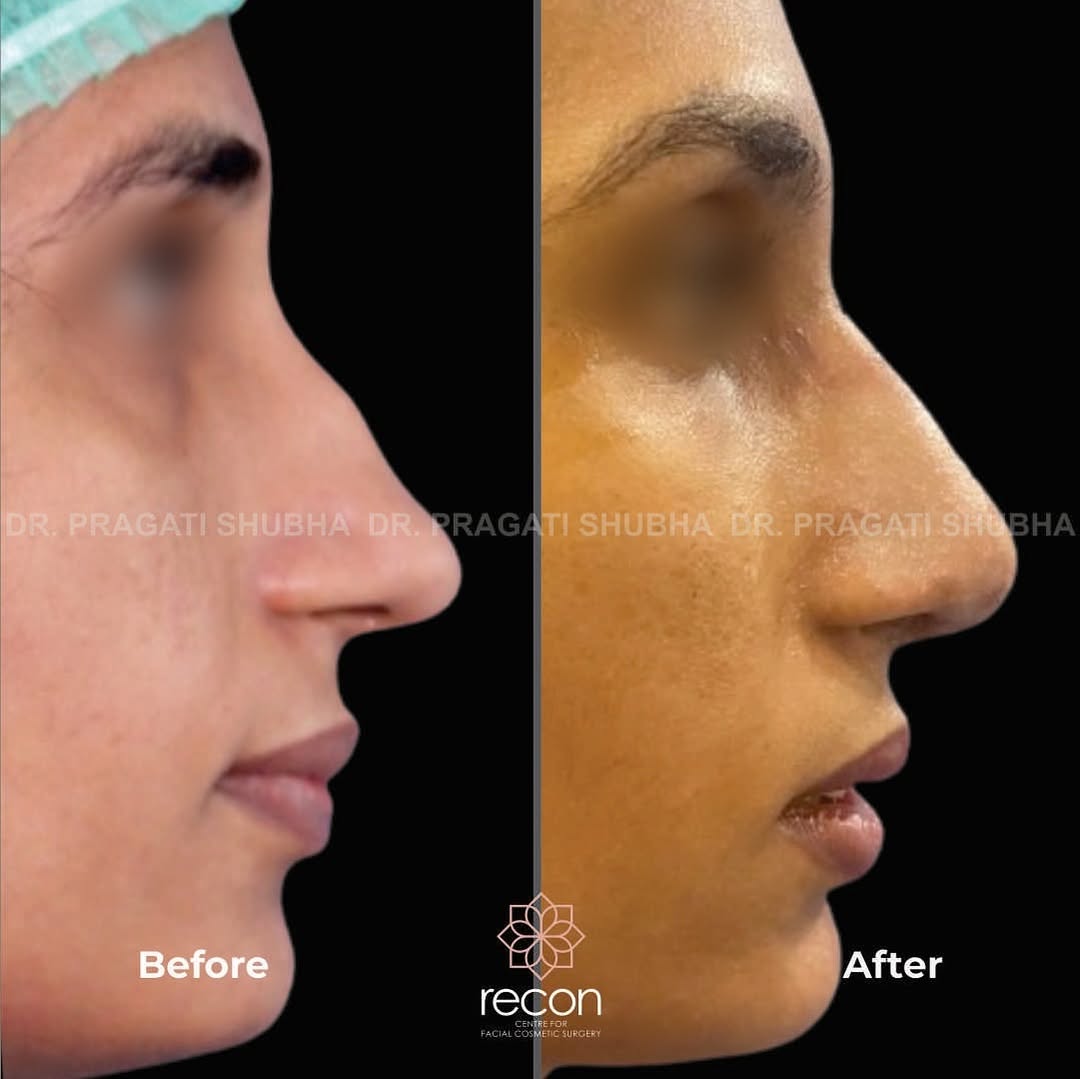
4. A Proven Track Record With Before-and-After Photos
You can learn more from a surgeon’s before-and-after gallery than from any advertisement.
A skilled rhinoplasty surgeon will have:
Consistent, natural-looking results
Detailed photos from multiple angles
Experience with different ethnicities and nose structures
Cases similar to your facial features
Look for photos where the patients still look like themselves—just refined.
If the surgeon hesitates to show real patient results, that’s a major warning sign. Trusted surgeons are proud of their work and welcome the opportunity to share it.
5. Mastery of Both Function and Aesthetics
A nose that looks good but doesn’t work properly isn’t a successful rhinoplasty. Expert surgeons approach the nose with a dual focus: appearance and breathing.
You want someone who understands:
Septal deviation
Nasal valve collapse
Turbinate issues
Airflow dynamics
Functional reconstruction techniques
One of the best surgeons I met once told a patient, “Your nose has to feel as good as it looks.”
That statement shows the professionalism and holistic approach you should expect.
6. A High Level of Precision and Patience
Rhinoplasty is sometimes called the “millimeter surgery.” Even a 1–2mm adjustment can dramatically change the appearance of the nose.
That’s why top surgeons:
Plan meticulously
Use modern tools like ultrasonic rhinoplasty
Take their time during surgery
Avoid removing too much cartilage
Focus on long-term structural stability
Rushed surgeons don’t produce quality outcomes. Skilled ones move with intention.
7. Realistic, Ethical, and Honest Guidance
A trustworthy rhinoplasty surgeon will never promise a “perfect nose.”
Instead, they’ll say things like:
“Your results will depend on your skin thickness.”
“We can improve your bridge, but your natural anatomy sets some limits.”
“Let’s aim for a natural look, not a trend-based design.”
Honesty signals expertise—and ethical practice.
If a surgeon agrees to everything you ask without explaining limitations, reconsider.
8. Strong Patient Reviews and Reputation
Online reviews aren’t everything, but trends matter.
Look for feedback about:
How comfortable patients felt
Whether expectations matched results
Post-operative care
The surgeon’s attitude and professionalism
Complication handling
Long-term satisfaction
A surgeon with consistent, genuine praise is usually a safe choice.
9. Compassion and Emotional Intelligence
Rhinoplasty is emotional for many people. Years of insecurity, anxiety, or breathing issues lead patients into the surgeon’s office.
The best surgeons acknowledge this. They show empathy. They don’t dismiss concerns.
During one consultation, a patient asked shakily, “What if something goes wrong?”
The surgeon replied gently, “That’s why we plan carefully. And we’ll go through every step together.”
That’s the emotional support you deserve.
10. Commitment to Safety and Follow-Up Care
A top rhinoplasty surgeon ensures:
Thorough health evaluations
Safe surgical environments
Clear pre- and post-op instructions
Multiple follow-up appointments
Long-term support
Great surgeons don’t disappear after the surgery—they stay involved.
Final Thoughts
Choosing the right rhinoplasty surgeon is one of the most important decisions you’ll make for your appearance and long-term well-being. By looking for a specialist who combines artistry, technical expertise, honesty, empathy, and a strong track record, you’re setting yourself up for the safest experience and the most natural, satisfying results.

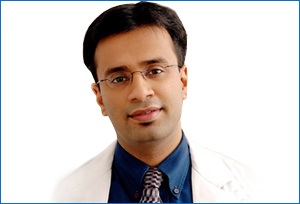
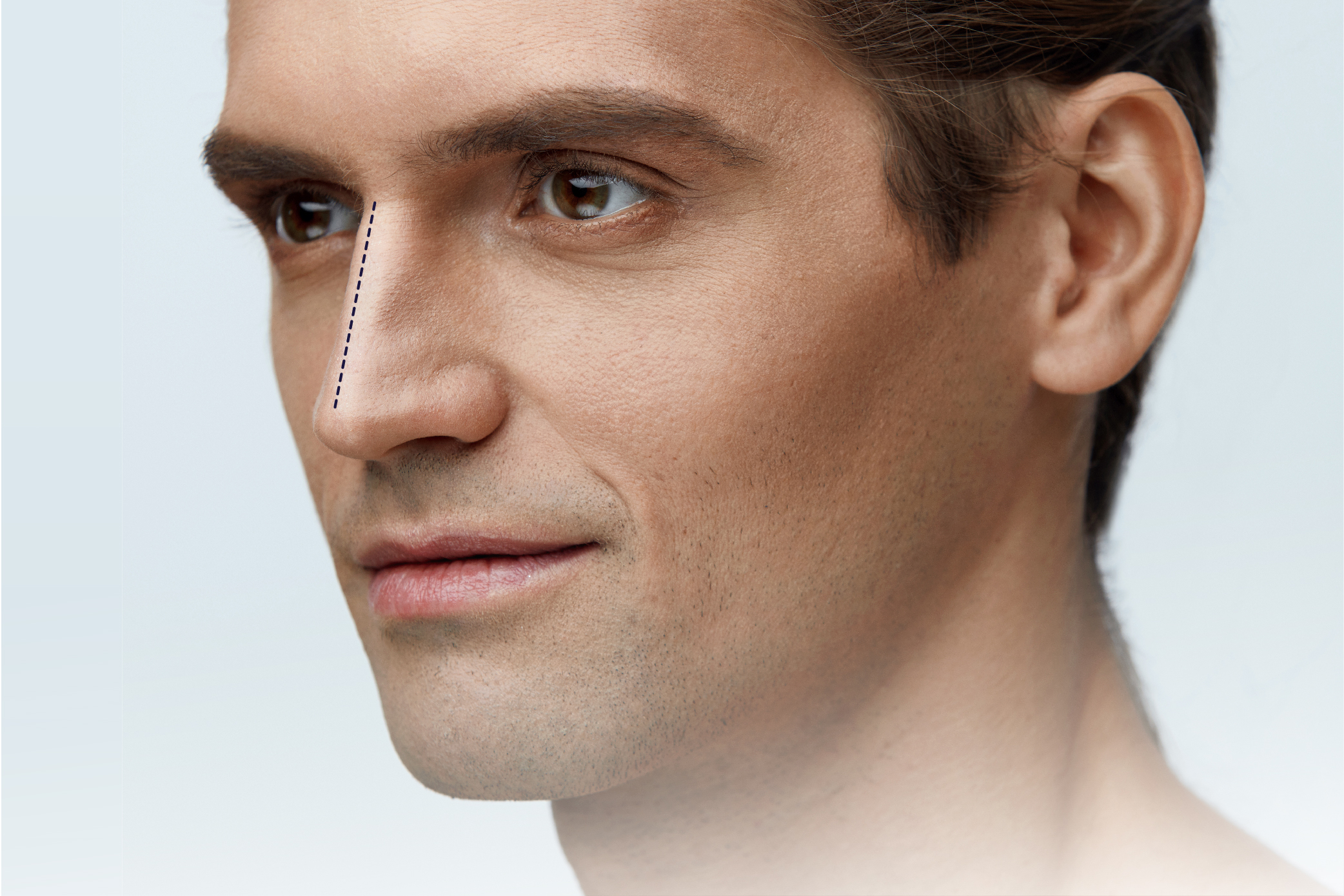
Find out about the best rhinoplasty surgeon in Dubai with 25+ years of expertise and knowledge.
He is recognized as the world-renowned rhinoplasty surgeon in Dubai, UAE and the whole world.
For expert Rhinoplasty in Dubai from the best Rhinoplasty clinic in Dubai get connected.