

Choosing between wardrobe door styles feels more complicated than it should be. You stand in showrooms staring at Sliding Door Wardrobes next to hinged versions wondering which one makes sense for your actual living situation. Both designs have loyal advocates who swear their choice is superior. The truth is that neither option universally beats the other. Your specific bedroom layout and daily habits determine which style serves you better.
Space Requirements Tell the Real Story
Room dimensions dictate functionality more than any other factor. Hinged doors need clearance to swing open fully. This typically means 60cm to 90cm of empty floor space in front of the wardrobe. Small bedrooms often can't spare this area without creating awkward furniture arrangements.
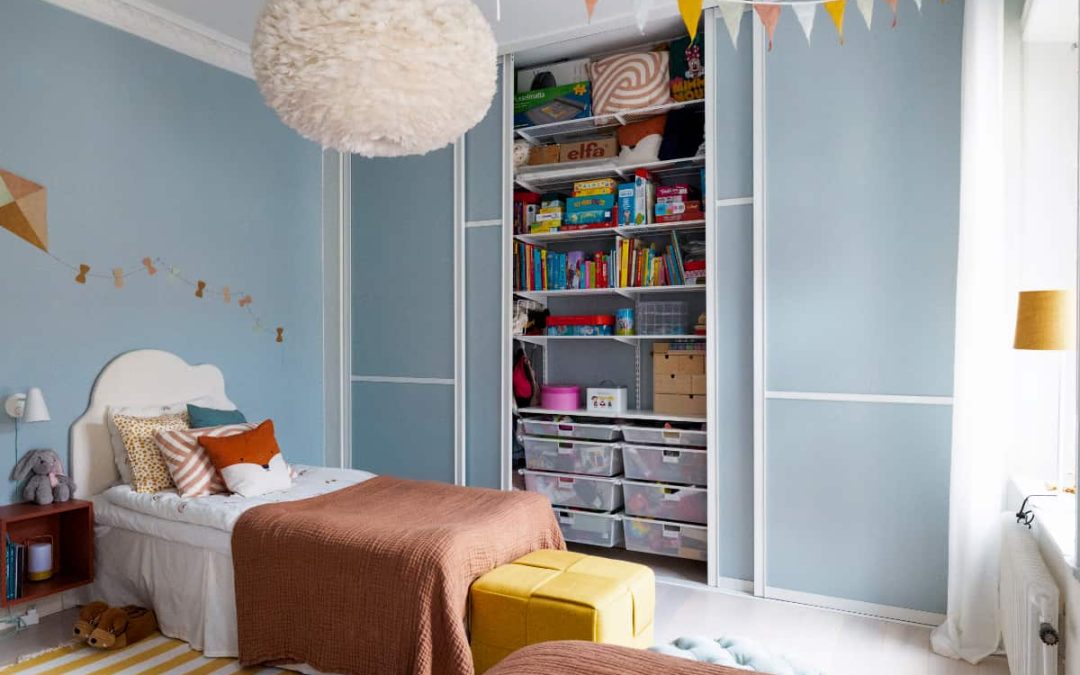
Sliding doors eliminate clearance requirements entirely. They move along the wardrobe face without projecting into the room. You can position chairs or dressers much closer. This makes sliding designs ideal for compact spaces where every centimeter matters. The functionality gain is immediate and obvious.
Larger bedrooms with ample floor space don't face these constraints. Hinged doors work perfectly well when you have room for them to swing. The choice becomes less about necessity and more about preference in spacious environments.
Access and Interior Visibility Differences
Hinged doors reveal the entire wardrobe interior when opened. You see everything at once which simplifies finding specific items. This full-access design feels natural because most furniture works this way. Reaching items at the back becomes easy without leaning or stretching awkwardly.
Sliding systems show only half the interior at any moment since doors overlap. You need to slide panels back and forth to access different sections. This extra step frustrates some people daily. Others adapt quickly and barely notice the limitation. Your tolerance for this workflow matters significantly.
Consider how you actually use wardrobes before dismissing either option. Do you grab the same few items repeatedly or do you need to browse your entire wardrobe regularly? Daily routines reveal which access pattern suits you better.
Hardware Longevity and Maintenance Needs
Hinges bear substantial stress with every opening and closing. Quality soft-close hinges last for decades but cheaper versions fail within a few years. The hinge plates can pull away from particleboard panels if not properly installed with adequate backing. Steel hinges outlast alternatives dramatically.
Sliding mechanisms use tracks and rollers that require different maintenance. Tracks collect dust and debris that impede smooth movement. Monthly cleaning with a vacuum prevents most problems. Ball-bearing rollers glide effortlessly for years. Plastic wheels wear down faster and create resistance.
Both systems need occasional adjustment to maintain optimal operation. Hinges can be tightened when doors start sagging. Sliding doors have adjustment screws at mounting points. These minor tweaks extend lifespan significantly when addressed promptly.
Visual Impact on Room Aesthetics
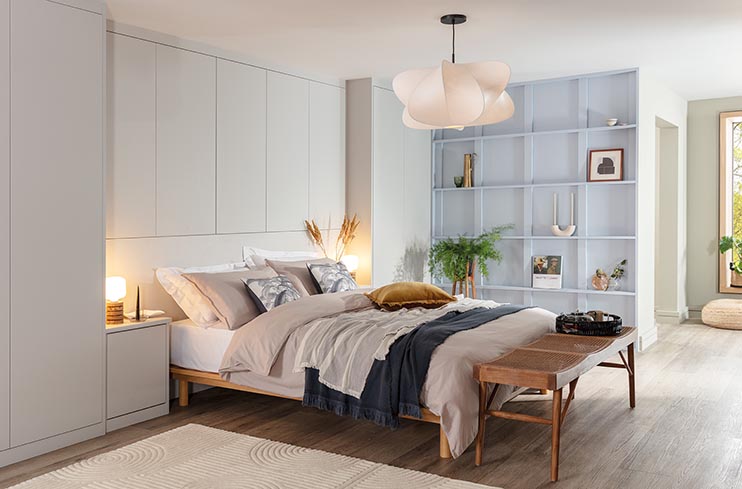
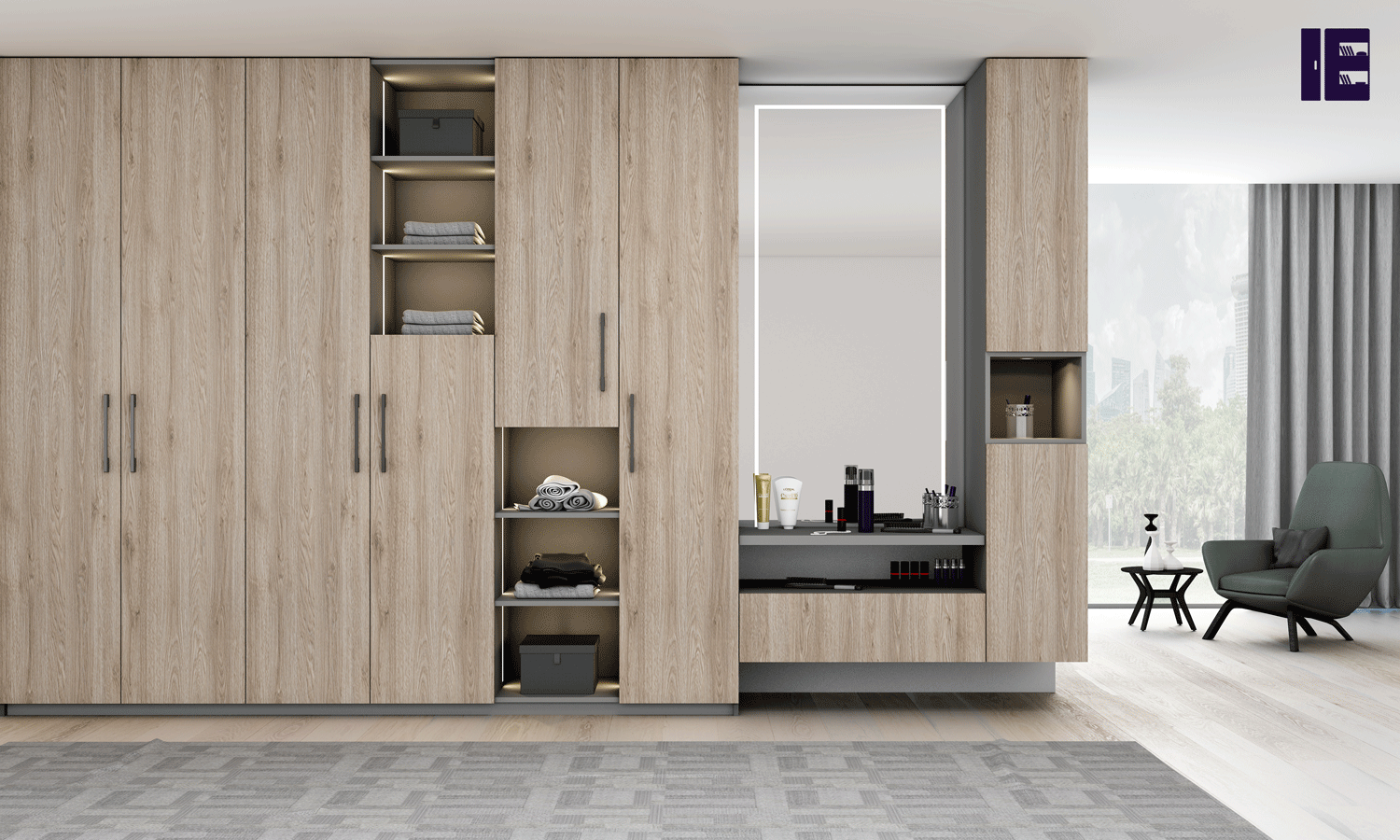
Hinged Door Wardrobe designs create traditional furniture appearances. The doors have visible handles and often decorative panels that contribute architectural interest. This classic look suits period homes beautifully. Modern designs with sleek handles work equally well in contemporary spaces.
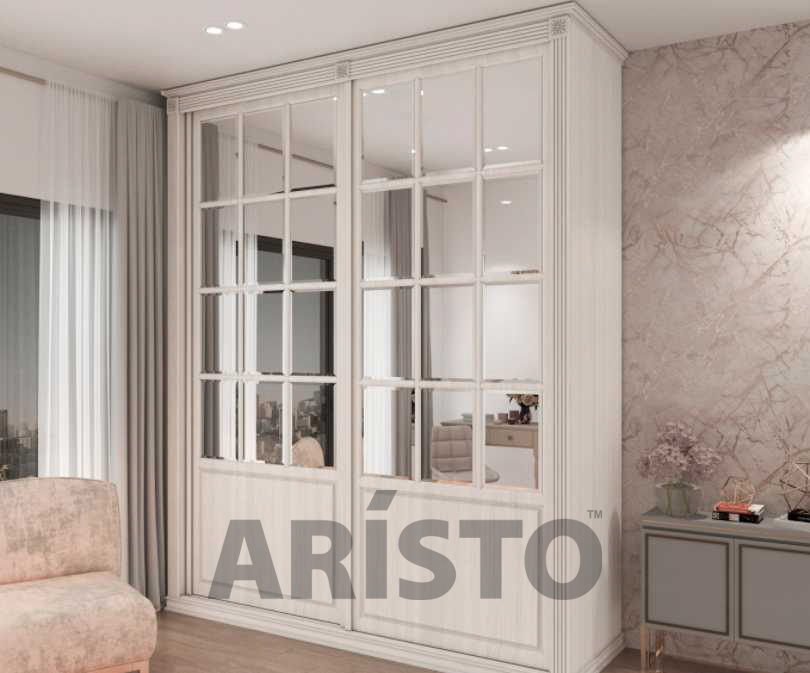
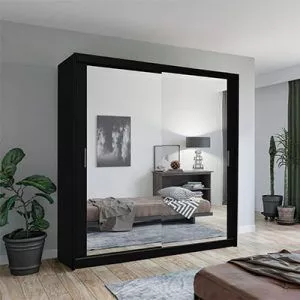
Sliding doors offer cleaner lines with minimal hardware visible. Large uninterrupted panels create contemporary aesthetics naturally. Mirrored sliding doors particularly enhance modern bedroom designs. The reflective surfaces bounce light around which brightens spaces noticeably.
Your existing decor influences which style integrates better visually. Traditional bedrooms with classic furniture pieces pair naturally with hinged wardrobes. Minimalist spaces benefit from sliding door simplicity. Neither choice is inherently more attractive. Context determines visual success.
Cost Comparison Across Quality Levels
Entry-level hinged wardrobes start slightly cheaper than sliding alternatives. Basic two-door hinged units begin around £250. Comparable sliding wardrobes typically start near £300 due to track mechanism costs. This price difference narrows significantly at higher quality levels.
Mid-range options between £600 and £1000 show less distinction. Both styles offer similar quality materials and construction at these price points. Premium hardware drives costs for both designs. The door mechanism becomes a smaller percentage of total investment.
High-end wardrobes above £1200 often feature sliding doors with premium finishes. Mirrored panels and sophisticated track systems add value. Hinged wardrobes at this level emphasize solid wood construction and decorative details. Budget matters less than finding quality that matches your needs.
Installation Complexity and Requirements
Hinged wardrobes generally install more straightforwardly. The unit sits against a wall with minimal mounting needed. Leveling the base and securing it to the wall studs prevents tipping. Most DIY enthusiasts handle installation successfully following clear instructions.
Sliding wardrobes demand more precise installation. Track alignment must be perfect for smooth operation. Wall mounting requires secure anchoring into studs or substantial backing. Floor leveling becomes critical because uneven surfaces cause operational problems. Professional installation makes more sense here.
Flat-pack versions of both styles require assembly before installation. Hinged designs typically have fewer components and simpler assembly sequences. Sliding systems include tracks and roller mechanisms that add complexity. Time investment differs noticeably between the two approaches.
Interior Organization Possibilities
Hinged wardrobes allow complete interior customization since full access exists. You can position shelves and hanging rails anywhere without worrying about door overlap blocking access. Deep shelves work fine because you can reach all the way back easily.
Sliding designs require strategic interior planning. Items you use frequently should cluster near the edges where doors open first. Central sections get accessed less conveniently. This constraint influences how you organize clothes and accessories. Smart planning compensates but requires more thought initially.
Both styles accommodate adjustable shelving and various accessories equally well. Pull-out drawers and specialized organizers work in either design. The access pattern differs but storage capacity remains comparable.
Noise Levels During Operation
Hinged doors with soft-close mechanisms operate almost silently. The dampening hardware prevents slamming and reduces noise dramatically. Without soft-close features, hinged doors can bang shut loudly. This disrupts sleeping partners during early morning routines.
Sliding doors glide quietly on quality tracks with proper maintenance. Ball-bearing systems produce minimal sound during movement. Dirty tracks create scraping noises that become annoying. Regular cleaning maintains silent operation. Plastic roller systems sometimes squeak, which intensifies over time.
Bedroom peace matters significantly for most people. Testing door operation before purchasing reveals actual noise levels. Showroom demonstrations let you evaluate this factor directly rather than guessing.
Durability and Long-Term Performance
Quality hinged wardrobes last 20 years or more with proper care. The simplicity of hinge mechanisms means fewer components that can fail. Solid wood construction handles daily use without deteriorating. Refinishing extends the lifespan further when surfaces show wear.
Sliding wardrobes also deliver decades of service when built well. Premium track systems and quality rollers maintain smooth operation indefinitely. The larger panel surfaces can show wear more visibly than smaller hinged doors. Protective treatments help maintain appearance over time.
Both designs fail prematurely when constructed poorly. Particleboard panels and cheap hardware doom either style regardless of door mechanism. Material quality trumps door type for longevity predictions.
Safety Considerations for Families
Hinged doors can injure small children who walk into open doors. The clearance space becomes a hazard zone briefly. Teaching awareness helps, but accidents still occur occasionally. Soft-close hinges reduce impact force significantly if collisions happen.
Sliding doors present fewer collision risks since they don't swing outward. Children can't get fingers caught in traditional hinge pinch points. However, track mechanisms at the floor level collect small toys and objects. Keeping tracks clear prevents door damage and ensures smooth operation.
Wall-mounting security matters equally for both styles. Properly anchored wardrobes won't tip even if children climb shelves. Anti-tip brackets provide extra insurance for families with young kids.
Resale Value and Buyer Preferences
Most home buyers view quality wardrobes as valuable assets regardless of door style. Built-in units particularly enhance property appeal. The mechanism matters less than overall quality and condition. Well-maintained wardrobes of either type contribute to successful sales.
Regional preferences sometimes favor one style over another. Urban apartments with limited space make sliding designs more desirable. Suburban homes with larger bedrooms accept hinged wardrobes equally well. Understanding local market trends helps maximize resale value.
Neutral designs appeal to broader buyer pools than highly personalized choices. Classic styling in either door format maintains value better than trendy options that date quickly.
Making Your Final Decision
Evaluate your actual bedroom dimensions carefully before committing. Measure available clearance for hinged doors or confirm wall space for sliding installation. Physical constraints often eliminate one option naturally which simplifies decisions considerably.
Consider your daily wardrobe habits honestly. Do you need simultaneous full-access or can you work with sequential viewing? Your routine determines which access pattern feels more natural long-term. Fighting against your habits creates daily frustration.
Visit showrooms to experience both styles physically. Open doors repeatedly. Access items from different positions. Photos and descriptions cannot convey operational feel accurately. Direct experience reveals preferences you might not anticipate otherwise.
Pendle Village Furniture provides expert guidance comparing both door systems honestly. Their team helps customers evaluate which style genuinely suits specific situations rather than pushing higher-priced options. This consultative approach ensures satisfaction years after purchase.
When to Choose Each Style
Select hinged doors when you have adequate clearance space and prefer traditional aesthetics. They work beautifully in larger bedrooms where floor space isn't constrained. Full interior access appeals to people who like seeing everything at once.
Choose sliding doors for compact bedrooms where clearance space doesn't exist. They excel in modern aesthetic environments and maximize usable floor space dramatically. Mirrored sliding panels particularly benefit small rooms through space-enhancing reflection effects.
Some situations genuinely work equally well with either style. Personal preference becomes the deciding factor when practical constraints don't eliminate options. Trust your instincts about which design feels right for your home.
Shopping Strategy for Best Value
Compare Wardrobes For Sale across multiple retailers before deciding. Prices vary significantly for similar quality levels. Focus on construction methods and materials rather than cosmetic details. Solid joinery and thick panels matter more than decorative touches.
Read long-term reviews from actual users. Initial impressions miss problems that develop after months or years of use. Recurring complaints across multiple reviews indicate genuine design flaws worth avoiding.
Pendle Village Furniture maintains transparent pricing with detailed specifications for all wardrobe options. Customers understand exactly what they're purchasing without hidden compromises. This clarity prevents disappointment and ensures informed decisions.