


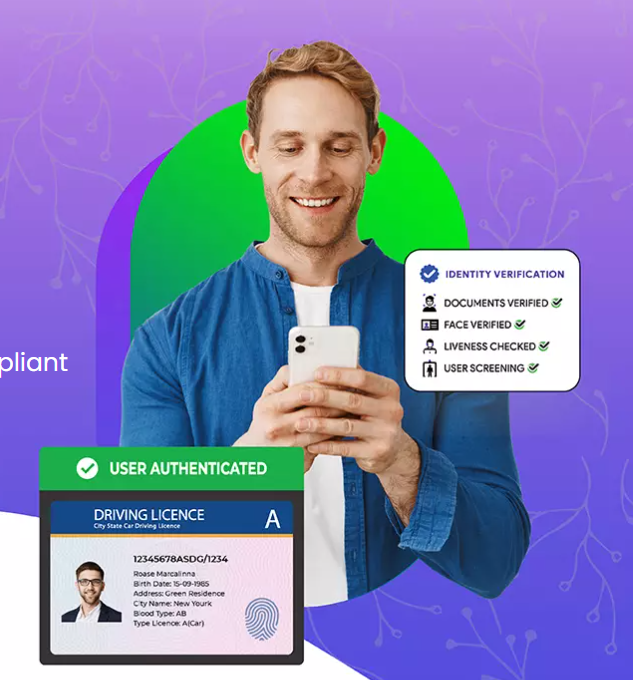
As businesses rapidly move toward digital-first operations, online identity verification has become a critical pillar of security, trust, and regulatory compliance. From fintech and e-commerce to healthcare and remote hiring, organizations now rely on digital verification systems to confirm who their users really are—without physical presence.
What Is Online Identity Verification?
Online identity verification is the process of confirming a user’s identity using digital data, biometric authentication, and AI-powered technologies. Instead of manual checks, businesses use automated systems to validate government-issued IDs, biometrics such as face or voice, and real-time liveness detection. This ensures that the person onboarding is genuine and physically present at the time of verification.
Why Online Identity Verification Is Essential Today
The surge in online fraud, deepfake attacks, and identity theft has made traditional verification methods obsolete. Cybercriminals now use AI-generated documents and synthetic identities to bypass weak security systems. Online identity verification combats these threats by combining document verification, face recognition, and liveness detection—creating a multi-layered security framework that is extremely difficult to manipulate.
In addition to security, digital verification enhances customer experience. Users can complete verification in seconds using a smartphone, eliminating paperwork, branch visits, and long wait times. Faster onboarding directly improves customer satisfaction and conversion rates.
Key Technologies Powering Online Identity Verification
Modern identity verification platforms use a combination of advanced technologies:
AI-Based Document Verification: Scans and validates passports, Aadhaar, PAN cards, and other IDs.
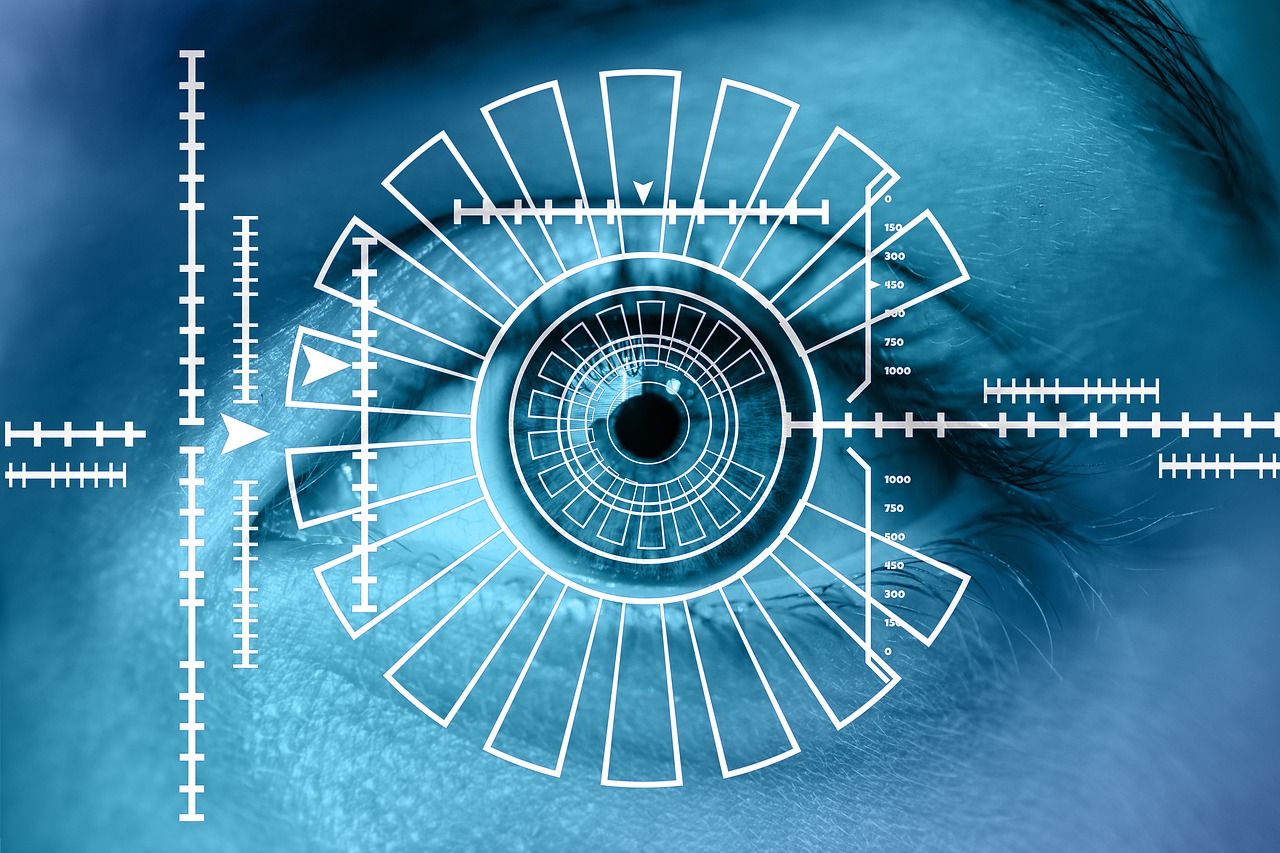
Biometric Authentication: Face, fingerprint, and voice recognition confirm unique biological traits.
Liveness Detection: Ensures the user is physically present and not using a photo, video, or deepfake.
NFC Verification: Instantly authenticates chip-enabled ID documents with encrypted data.
Together, these technologies create a highly secure and fraud-resistant verification environment.
Industry Use Cases
Online identity verification is widely adopted across industries. Banks and fintech firms use it for KYC and digital onboarding. E-commerce platforms rely on it to prevent fake accounts and payment fraud. Healthcare providers use it for secure telemedicine access, while HR teams depend on it for remote employee verification.
The Future of Online Identity Verification
With the rise of AI-powered fraud and global compliance regulations, online identity verification will continue to evolve. Future systems will integrate behavioral biometrics, continuous authentication, and decentralized identity models for even stronger protection.
Final Thoughts
Online identity verification is no longer optional—it is the foundation of safe digital interactions. Businesses that invest in secure, fast, and compliant identity verification solutions not only reduce fraud but also build lasting customer trust in an increasingly digital world.



Melissa Online Identity Verification is a real-time service that cleans, verifies, standardizes, and completes names, phone numbers, addresses, and emails.

The whole idea of identity verification has grown past manually verifying each customer one at a time.
Just like everything, online technologies have also improved the way the identity verification process works.
Verification and management of online customer identities are more flexible than ever.
Systems and solutions built especially for online identity verification are crucial to providing authentic proofs of identity for accessing and operating in combination with modern banking systems, e-commerce platforms, third-party payment aggregators, and more.
Unfortunately, the rise of technology has given birth to the problem with online identity verification.Source URL: https://diro.io/problem-with-online-identity-verification/