Your first meeting with a cosmetic surgeon represents an important step in your personal journey. You've been thinking about this change for weeks, months, or maybe even years. You've imagined how you might look and feel afterward. Now you're finally ready to take action, but you might be wondering: How can I prepare for a consultation at a cosmetic surgery center?
At Michigan Cosmetic Surgery Center, Dr. Michael W. Gray has guided thousands of patients through this exact moment. He believes that preparing for a cosmetic surgery consultation isn't just helpful, it's transformative. When you walk into your consultation knowing what to expect and what questions to ask, you're not just a patient seeking advice. You're an active participant in designing your own outcome.
The truth is, your consultation sets the tone for your entire experience. It's where trust is built, expectations are clarified, and realistic goals are established. The more prepared you are, the more you'll get from this conversation. So let's talk about how you can show up ready, confident, and empowered.
Get Crystal Clear on Your Goals and Expectations
One of the most important steps in plastic surgery preparation is clarifying what you want to achieve. Before you step into our office, take some quiet time to really think about what you want. This isn't about having all the answers or knowing exactly which procedure you need. It's about understanding your own motivations and desires well enough to communicate them clearly.
Ask yourself some honest questions. What specifically bothers you when you look in the mirror? Is it something you've always wanted to change, or has it developed over time? Are you hoping for a subtle enhancement that most people won't even notice, or are you ready for a more dramatic transformation? What would success look like to you six months after your procedure?
Write everything down. Seriously, grab a notebook or open a note on your phone and start listing:
- What bothers you most about your appearance: Be specific. Instead of "I don't like my stomach," try "I have loose skin around my midsection after losing 40 pounds that exercise hasn't fixed."
- The results you're hoping to see: Describe your ideal outcome in detail. What would make you feel like the procedure was worth it?
- Procedures you're curious about: Even if you're not sure they're right for you, list anything you've researched or heard about that interests you.
- Concerns that are holding you back: Maybe you're worried about recovery time, cost, scarring, or whether results will look natural. Write it all down.
Having this clarity doesn't just help Dr. Gray understand your vision. It helps you recognize whether his recommendations align with what you actually want from this experience. You're investing in yourself, and that investment deserves this level of thoughtfulness.
Do Some Basic Research on Procedures You're Considering
You don't need to become an expert in cosmetic surgery before your consultation. That's what Dr. Gray is for. But having a foundational understanding of the procedures you're considering will make your conversation much more productive and help you ask better questions.
Spend some time researching:
- The procedure itself: What does it actually involve? How is it performed? What areas does it address?
- Typical recovery timelines: How long are you looking at for initial healing versus full results? When can you return to work or exercise?
- Possible alternatives: Are there less invasive options? Multiple approaches that could achieve similar goals?
- Real patient experiences: Reading about others' journeys can help set realistic expectations and prepare you for what to expect emotionally and physically.
This baseline knowledge transforms your consultation from an introductory lesson into a focused strategy session. Instead of spending time on general education, you can dive directly into specifics about your unique situation, your body, and your goals.
Gather Your Complete Medical History
Your health and safety are the foundation of everything we do. Dr. Gray needs a comprehensive understanding of your medical background to recommend procedures that are not only effective but also safe for your specific circumstances. The more thorough and honest you are about your health, the better we can serve you.
As part of your plastic surgery preparation, be prepared to share:
- Previous surgeries: Any procedures you've had, cosmetic or otherwise, including when they occurred and any complications that arose.
- Current medications and supplements: Everything you take regularly, including vitamins, herbal supplements, and over-the-counter medications. Some substances can affect surgery or healing.
- Allergies: Medication allergies, latex sensitivity, adhesive reactions, or anything else that's caused problems in the past.
- Past and current medical conditions: Diabetes, high blood pressure, autoimmune conditions, blood clotting disorders, or anything else that affects your overall health.
- Lifestyle habits: Be honest about smoking, alcohol consumption, exercise routines, and any significant recent weight changes. These factors directly impact surgical outcomes and healing.
This isn't about judgment. It's about ensuring you get the safest, most effective care possible. Dr. Gray has seen it all, and his only concern is your wellbeing and your results.
Bring Visual References That Inspire You
Sometimes words aren't enough to capture exactly what you're envisioning. That's where visual references become incredibly valuable. Bringing photos to your consultation gives Dr. Gray concrete examples of what appeals to you aesthetically.
Consider bringing:
- Inspiration photos: Images of results you find appealing, whether from social media, magazines, or cosmetic surgery websites. These help communicate your aesthetic preferences regarding shape, size, proportion, and overall look.
- Photos of yourself: Older pictures showing how you looked before changes occurred, or images from angles that highlight what concerns you most. These provide important context about your natural anatomy and what you're hoping to restore or improve.
Be realistic about these references. Dr. Gray will use them as conversation starters to understand your preferences, then explain what's achievable for your unique body and features. Everyone's anatomy is different, and the goal is always to enhance your natural features, not make you look like someone else.


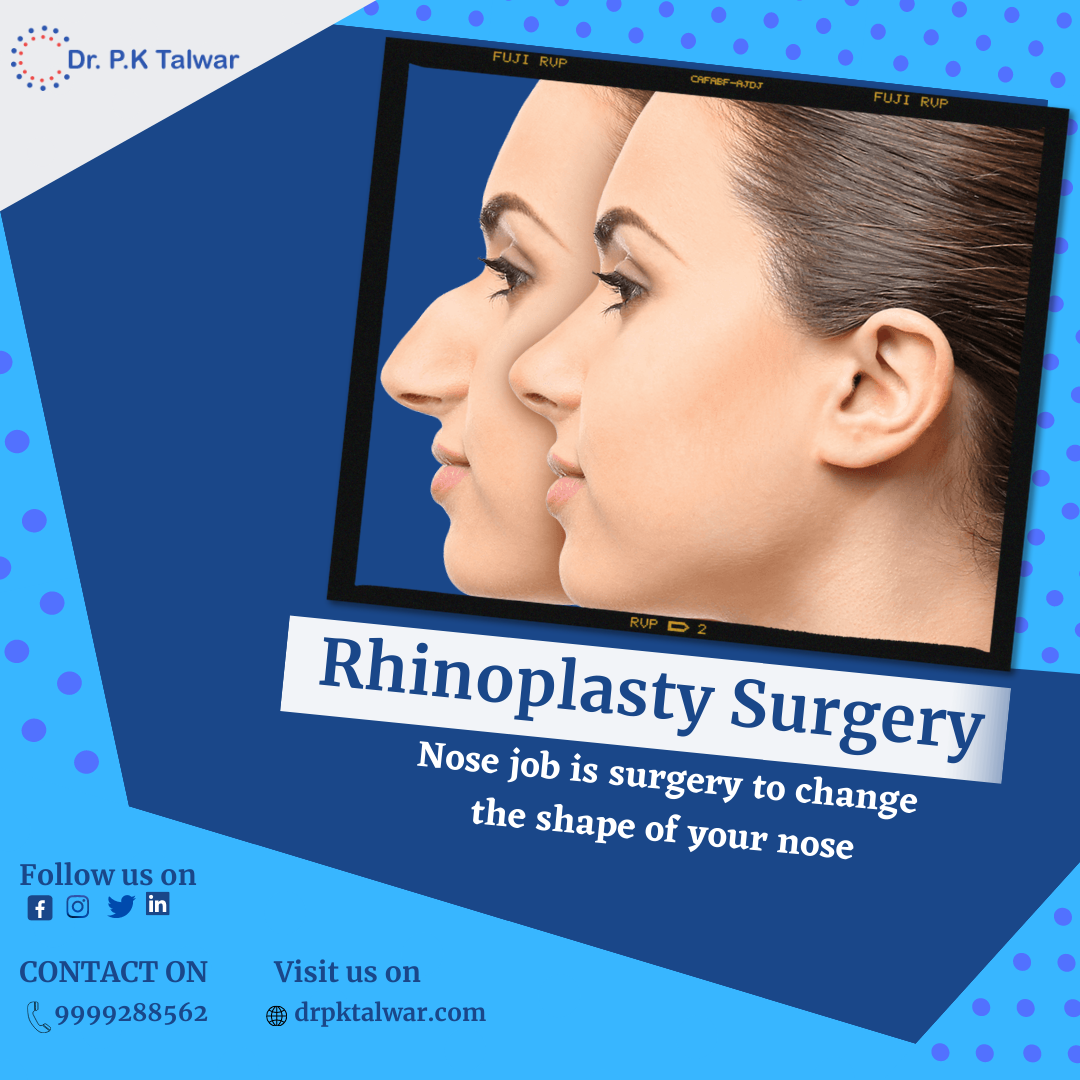
Rhinoplasty surgery in Delhi, commonly known as a nose job, is a plastic surgery procedure for altering and reconstructing the nose.
There are two types of plastic surgery used – reconstructive surgery that restores the form and functions of the nose and cosmetic surgery that changes the appearance of the nose