There are few Himalayan journeys as soulful as the Har Ki Dun Valley Trek—a trail where myth, alpine beauty, and Himalayan village culture blend into a surreal walking experience. Known as the Valley of Gods, this trek is designed for those who crave slow-paced wilderness, snow-clad ridgelines, wooden villages older than memory, and meadows where every sunrise feels like a gift. Before you step into this magical valley, here are the seven most-asked questions—answered simply, clearly, and from a trekker’s lens.
What Makes the Har Ki Dun Valley Special?
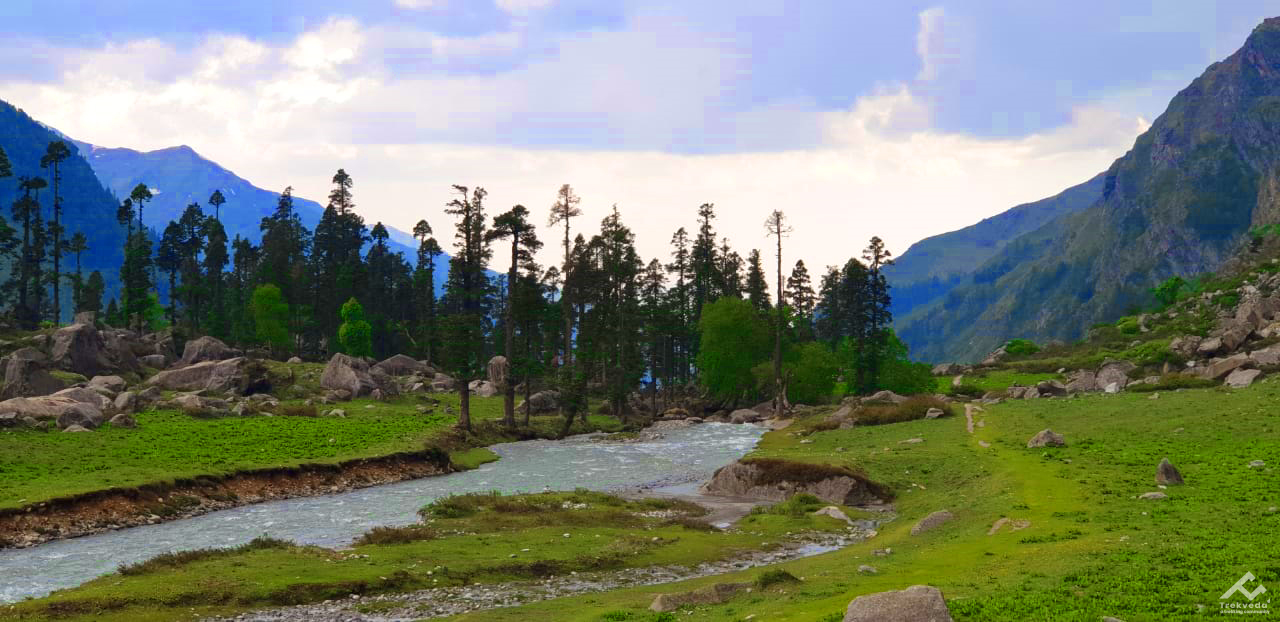
The Har Ki Dun Valley is unlike most Himalayan trails—it unfolds gradually. One moment you're walking beside the bubbling Supin River, and the next you’re surrounded by ancient wooden homes in remote villages like Osla and Taluka. Every step feels deeply rooted in folklore. Locals believe this valley to be the mythological path taken by the Pandavas on their final ascent toward heaven. The silence, the pine-laden winds, and distant snow peaks create a setting that feels sacred and untouched.
How Hard Is the Har Ki Dun Trek Difficulty Level?
The Har Ki Dun trek difficulty level is often categorised as easy to moderate, making it perfect for beginners with basic fitness. The terrain is well-defined, but the long daily walking hours—especially between 6 km to 11 km per day—can challenge those unprepared for endurance-based trekking. If you can comfortably jog 3–4 km and climb stairs without losing breath, you're ready. Carry trekking poles to protect your knees during descents, and go slow—pace is everything.
What Is the Exact Har Ki Dun Height?
At its highest viewpoint, the Har Ki Dun height reaches approximately 12,000 ft. The beauty of this altitude is that it gives you dramatic mountain scenery—Swargarohini Peak, Bandarpoonch, and Black Peak—without exposing trekkers to extreme altitude risk. Still, hydration, layered clothing, and slow ascent remain essential for comfort and safety.
What Does the Har Ki Dun Trek Map Look Like?
A typical Har Ki Dun trek map follows a scenic progression rather than steep climbs. The route begins from Sankri, leading toward Taluka, continues beside dense forests and wide meadows, and finally opens into the wide glacial basin of Har Ki Dun. The trail isn’t confusing—guides, forest signage, and mule paths make navigation simple, even in snow-covered stretches.
What Is the Full Har Ki Dun Trek Route Map Itinerary?
Here’s the Har Ki Dun trek route map from Dehradun:
Day 1: Dehradun to Sankri (Drive through pine forest roads, apple orchards, and riverside valleys).
Day 2: Sankri to Taluka; Trek to Pauni Garrat (the first campsite and river-side acclimatisation zone).
Day 3: Pauni Garrat to Kalkattiyadhar (trail filled with alpine bridges, orchards, and Osla village views).
Day 4: Kalkattiyadhar to Har Ki Dun summit and return to base (the most rewarding day of the trek).
Day 5: Trek back to Pauni Garrat.
Day 6: Trek back to Taluka and drive to Sankri.
Day 7: Return to Dehradun.
What Should I Know Before Booking the Har Ki Dun Trek 2025?
The weather from October to June varies drastically—expect snow patches in winter and lush greenery in summer. Carry standard layers, thermals, waterproof gloves, a poncho, and sunscreen. Power banks, reusable water bottles, and comfortable trekking shoes are non-negotiable.
Should I Join the Har Ki Dun Trek from Dehradun?
Joining the Har Ki Dun trek from Dehradun is ideal if you want seamless travel, pre-arranged transfers, and coordinated group trekking. It removes logistical stress and lets you focus solely on the mountains.
Final Thoughts
The Har Ki Dun Trek is not just a journey—it’s a slow awakening. With every step through pine forests, every sunrise over Swargarohini, and every shared story beside a campfire, you begin to understand why trekkers return here again—and why this valley has always been called divine.
You can take a cab from Dehradun railway station at 6:30 in the morning.Sankri is a small village with almost 250 houses, but the beauty of the town is so much more, the town consists of some small shops and dhabas.The village is also a trekking route for many trails like Kedarkantha, Barsu pass etc.Morning in Sankari is not less than a fantastic experience one can have; the Swargrohini peak which is visible with the sun shines bright looks like a fairy tale.The whole Himalayan range will entertain you throughout the journey, and you won’t feel bored in this long journey to Sankri base camp.The drive to Sankri will take you through the Nainbagh, Naugaon, Purola, Jarmola and Mori Naitwar, and it would be a mesmerizing feeling to travel to Har ki dun trek, as trekking in Uttarakhand is magic.Day 2: Sankri to Puani Garaat via TaukaAltitude: 6,397 ft. to 8,280 Ft. via 8,694 Ft.Time Taken: 6 hrs, 10 Km.Trek Gradient: Easy to moderateWater sources: Carry your own water bottlesOn your 2nd day, the cab will take you from Sankri to Taluka which is 12 Km in the distance and will take around 1 Hour to reach.
Here you have to trek to reach Puani Garaat.A small village Taluka has fewer houses, but the town is beautiful and give the glance of how mountains of Uttarakhand are so stunning along with that the whole Himalayan range, therefore, treks in India are so famous.From Taluka there we will trek to Punani Garaat where in between you will cross the river and wooden bridge that is going to remind you about the ancient time.As the essence of past is still alive in the mountains, walking ahead, you will witness harvest fields of potato, millet, and maize will fall on the way giving the whole stretch a ranch house feel.Pauni Garaat, a green clearing on the banks of Supin at its energetic best arrived at late in the afternoon as the Sun begins to dip.You will reach your destination that is Punani Garaat have rest and take a proper sleep under the sky, that will feel so wonderful.The whole Himalayan range will introduce you to the best trekking in Uttarakhand.Day 3: Puani Garaat to KalkatiyadharAltitude: 8,280 Ft. to 8,956 Ft.Time taken: 6 hrs, 7 Km.Trek Gradient: Easy to moderateWater sources: Carry your ownStart your day by trek heading to Osla town; Osla is a tiny town after hiking for an hour you will enter in a series of cleared land.The Climb is massive after it however beautiful landscape makes up for the efforts; you will soon reach flat land, which is your next Campsite, Kalkatiyadhaar.The trail passes through 3 Garaat or hydroelectricity run teasing units which are utilized by the villagers for isolating husks of millet and maize pursued by establishing to flour.The perfect vibe held in the encompassing, the trek continues through gather lands, dairy cattle eating, and inclination roofed cabins utilized as silo and stockpiles.In the wake of intersection a log connect, the trail turns for a rising.
On this slope, you will motivate remarkable perspectives to take looks of the Dhauladhar Range out front.Twisted trails to Borasu Pass and Baspa Valley can likewise be made out from here.
The high trail twists further down achieving a tabletop green stretch-Kalkattiyadhar.Day 4: Kalkatiyadhaar to Har-ki-dun to KalkatiyadhaarAltitude: 8,956 Ft. to 11,768 Ft.Time taken: 5 hrs, 4 KmWater sources: You can refill your drinking water bottles from the lake along the trail.Trek Gradient: Moderate.Today you will begin ahead of schedule when contrasted with different days.
Nonetheless, hypnotizing the perspectives were until today, prepare to experience something more.The trail will go into the icy mass bowl having moraines and elevated glades.
Tall pine trees will welcome you at each progression.The trail is blended of steep and moderate rise until the Har Ki Dun valley.
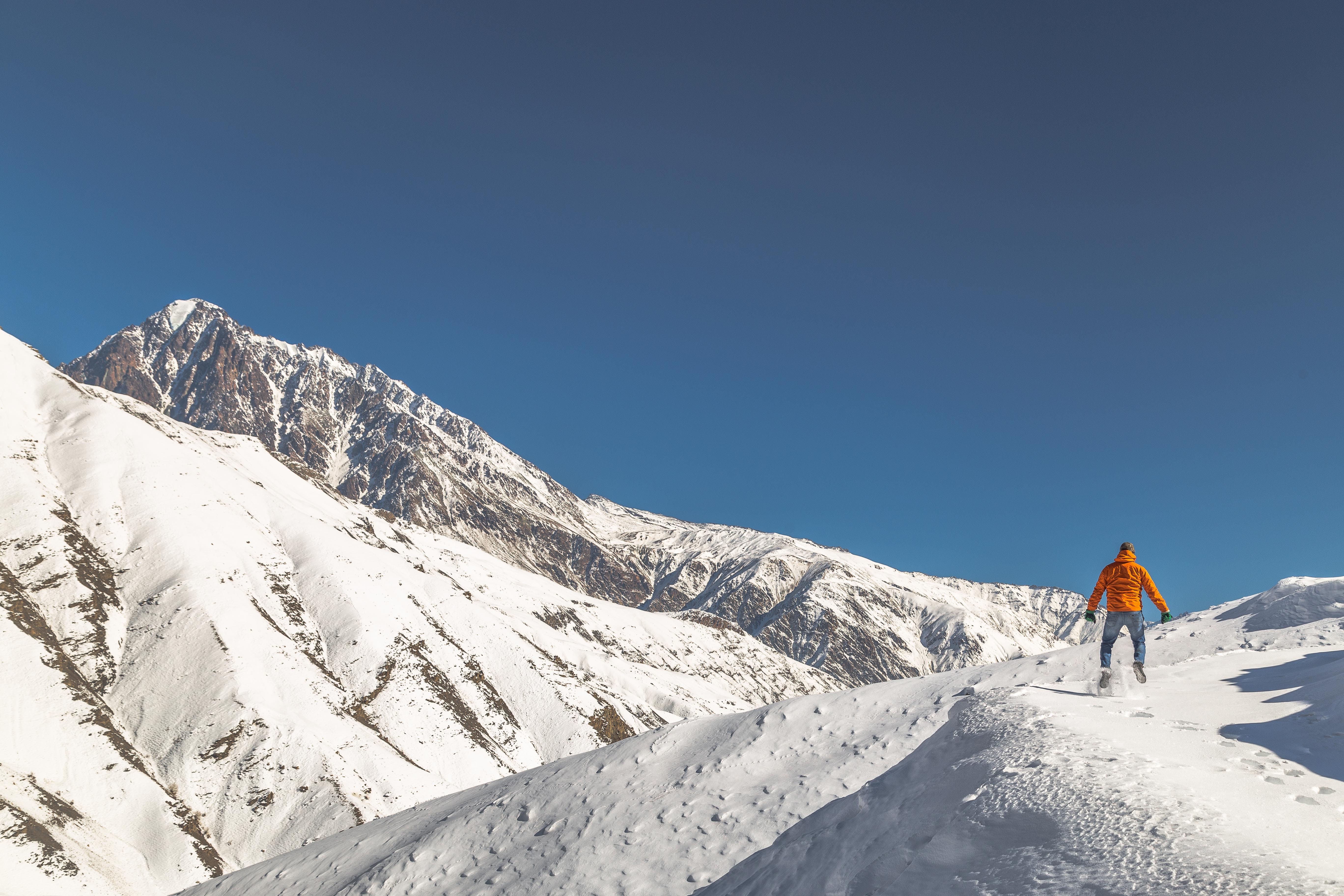
There are many hidden gems in the valley, which is full of alpine meadows, beautiful lakes, colourful Himalayan flowers and rare wildlife species that add extra charm to the Har Ki Dun trekking expedition.Believe it or not, walking across Har Ki Doon's everlasting meadow is one of those memories that remain lifelong in the heart and mind.
With fascinating views of mountain ridges, glaciers, ancient ruins, alluring caves and rustic hamlets, the trail rewards you.This valley is believed to hold a religious significance for Hindus and to share its history with the Mahabharata period.
The eldest brother of the Pandavas, Yudhishthira, scaled the Himalayan peak of 'Swargarohini' on his way to heaven, according to the locals.
In addition, the course goes through ice lakes, alpine meadows, ridges of moraine, and pine and oak forests.
The eyes will also be intrigued by the sight of the Brahma Kamal flower that blooms in the beautiful Mahinda Taal alpine lake.
The average temperature varies from 22 ° C and 10 ° C at this time.Due to safe weather conditions, several trekkers undertake this trek from September to November.