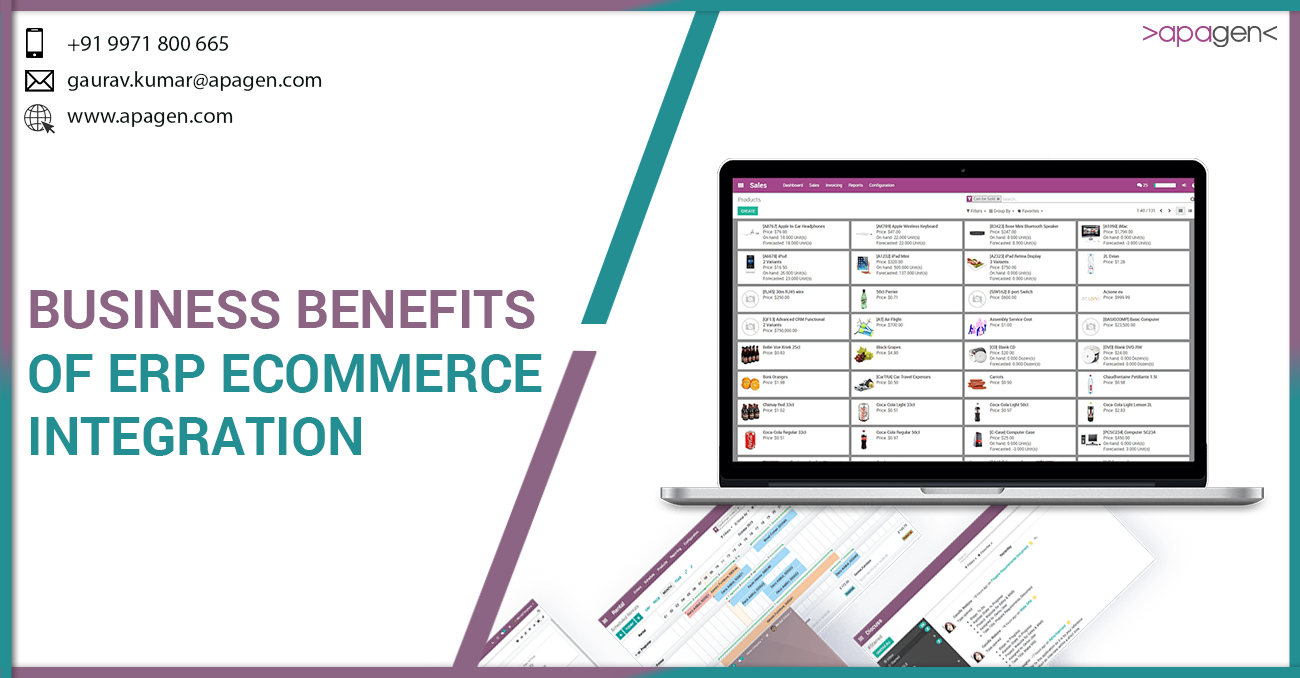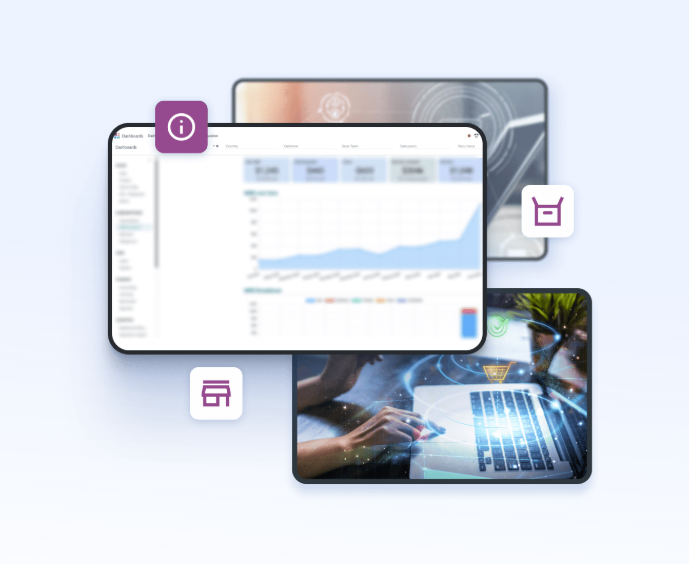
In the ever-evolving world of e-commerce, businesses are under immense pressure to deliver seamless customer experiences while maintaining operational efficiency. With online shopping becoming the primary mode of consumer purchases, e-commerce companies face unique challenges, including managing inventory, streamlining order processing, handling customer data, and integrating multiple sales channels. This is where Enterprise Resource Planning (ERP) solutions come into play. Implementing erp ecommerce systems can revolutionize the way businesses operate, offering significant benefits that enhance efficiency, customer satisfaction, and profitability.
In this article, we will explore the top benefits of implementing ERP for e-commerce businesses, explaining how these systems can transform operations and support scalable growth.
1. Centralized Data Management
One of the most compelling reasons for e-commerce businesses to adopt an erp ecommerce system is the centralization of data. Traditionally, businesses might use separate tools for accounting, inventory management, customer relationship management (CRM), and order processing. This fragmentation often leads to inconsistencies, errors, and inefficiencies.
ERP systems integrate all these functions into a single platform. With centralized data, businesses can:
Access real-time information across departments.
Reduce data entry errors.
Ensure accurate reporting and forecasting.
Improve decision-making based on comprehensive, up-to-date insights.
For example, when a customer places an order online, an ERP system can instantly update inventory levels, notify the warehouse team, and trigger accounting entries without requiring manual intervention.
2. Enhanced Inventory Management
Inventory management is a critical challenge for e-commerce businesses. Overstocking leads to increased holding costs, while understocking can result in missed sales opportunities and dissatisfied customers. An erp ecommerce solution provides robust inventory management capabilities, enabling businesses to:
Track stock levels in real-time.
Predict demand based on historical sales data and market trends.
Automate reorder processes to maintain optimal stock levels.
Manage multi-warehouse operations efficiently.
By providing visibility into inventory across multiple locations and sales channels, ERP systems help prevent stockouts and overstock situations, ensuring that businesses can meet customer demand consistently.
3. Streamlined Order Management
Order processing in e-commerce can be complex, especially when dealing with multiple sales channels such as websites, marketplaces, and physical stores. Manual order management is prone to errors and delays, affecting customer satisfaction.
With erp ecommerce solutions, businesses can automate and streamline their order management processes. Key benefits include:
Consolidated view of orders from all channels.
Automated order routing to warehouses.
Real-time updates on order status for both customers and staff.
Reduced processing time and errors.
This automation not only improves operational efficiency but also enhances the customer experience by ensuring faster and more accurate deliveries.
4. Improved Customer Relationship Management (CRM)
Customer experience is the cornerstone of success in e-commerce. Understanding customer behavior, managing interactions, and personalizing marketing efforts are essential for retaining customers and driving sales. ERP systems often include integrated CRM functionalities or seamlessly integrate with existing CRM tools.
An erp ecommerce solution can help businesses:
Maintain comprehensive customer profiles, including purchase history and preferences.
Track customer interactions across all touchpoints.
Personalize marketing campaigns and promotions.
Offer proactive support by anticipating customer needs.
By leveraging data effectively, businesses can build stronger relationships with customers, increase loyalty, and drive repeat purchases.
5. Financial Management and Accounting Integration
Accurate financial management is vital for any business, and e-commerce companies are no exception. Managing multiple sales channels, taxes, payment gateways, and currencies can be overwhelming without a centralized system. ERP systems provide integrated financial management tools that streamline accounting and reporting.
Benefits of ERP in financial management include:
Automated bookkeeping and reconciliation.
Real-time financial reporting and dashboards.
Tax compliance across regions.
Simplified budget planning and cost management.
With these capabilities, e-commerce businesses can maintain financial transparency, reduce errors, and make informed decisions to maximize profitability.
6. Efficient Supply Chain Management
E-commerce businesses rely heavily on effective supply chain operations. Delays, miscommunication, and inefficiencies in the supply chain can directly impact customer satisfaction. ERP systems help optimize supply chain management by providing visibility and control over every stage, from procurement to delivery.
Key benefits of ERP for supply chain management include:
Real-time tracking of shipments and deliveries.
Supplier management and performance monitoring.
Demand forecasting to optimize procurement.
Reduced lead times and operational costs.
By streamlining supply chain operations, businesses can ensure timely deliveries, minimize costs, and maintain high levels of customer satisfaction.
7. Scalability and Growth Support
As e-commerce businesses grow, managing operations manually or using fragmented systems becomes increasingly challenging. An erp ecommerce system provides the scalability needed to support business expansion. Whether opening new sales channels, adding warehouses, or expanding into new markets, ERP systems can adapt to changing business needs.
Scalability benefits include:
Easy addition of new users, departments, or locations.
Integration with additional sales channels and marketplaces.
Customizable workflows to accommodate new business processes.
Support for international operations with multi-currency and multi-language features.
By enabling scalable operations, ERP systems allow businesses to grow efficiently without compromising performance or customer experience.
8. Enhanced Reporting and Analytics
Data-driven decision-making is essential for competitive advantage in e-commerce. ERP systems consolidate data from multiple business functions, providing comprehensive reporting and analytics capabilities. Businesses can gain insights into sales performance, customer behavior, inventory trends, and financial health.
Benefits of ERP analytics include:
Real-time dashboards for quick insights.
Customizable reports for different departments.
Identification of trends, opportunities, and potential risks.
Informed decision-making for marketing, sales, and operations.
By leveraging analytics, e-commerce businesses can optimize strategies, improve efficiency, and increase profitability.
9. Automation of Routine Tasks
Manual tasks consume time and resources, increasing the risk of errors. ERP systems automate repetitive processes such as:
Order processing and invoicing.
Inventory updates and reorder alerts.
Customer notifications and follow-ups.
Payroll and employee management.
Automation not only reduces human error but also frees up staff to focus on strategic initiatives, innovation, and customer engagement.
10. Regulatory Compliance and Security
Compliance with industry regulations, data protection laws, and financial standards is critical for e-commerce businesses. ERP systems help maintain compliance by providing secure data storage, audit trails, and reporting capabilities. Key benefits include:
Protection of sensitive customer and financial data.
Adherence to local and international regulations.
Easy access to audit logs for inspections or audits.
Reduced risk of penalties and legal issues.
By ensuring compliance and data security, ERP systems safeguard business reputation and build trust with customers.
11. Multi-Channel Integration
Modern e-commerce businesses often sell across multiple platforms, including websites, marketplaces, social media, and brick-and-mortar stores. Managing these channels separately can lead to inconsistencies, errors, and missed sales opportunities.
ERP systems offer seamless erp ecommerce integration across multiple sales channels, enabling:
Centralized inventory and order management.
Consistent pricing and promotions across platforms.
Unified customer data for personalized experiences.
Efficient coordination between online and offline operations.
This integration ensures a cohesive shopping experience for customers while simplifying operational management.
12. Cost Reduction and ROI
While implementing an ERP system involves upfront investment, the long-term benefits often outweigh the costs. By improving efficiency, reducing errors, and streamlining operations, businesses can achieve significant cost savings.
Cost-related benefits of ERP implementation include:
Reduced manual labor and operational costs.
Minimized inventory holding and waste.
Decreased order errors and returns.
Enhanced financial control for better budgeting.
With improved efficiency and cost management, e-commerce businesses can achieve a strong return on investment (ROI) from their ERP system.
13. Personalized Customer Experiences
Customer expectations are higher than ever in the e-commerce industry. Personalization is key to standing out and fostering loyalty. ERP systems enable businesses to leverage data for creating tailored experiences.
Benefits include:
Targeted marketing campaigns based on customer behavior.
Personalized product recommendations.
Customized promotions and loyalty programs.
Timely customer support through automated alerts and workflows.
By delivering personalized experiences, e-commerce businesses can improve customer satisfaction and drive repeat purchases.
14. Future-Proofing Your E-Commerce Business
The digital commerce landscape is constantly evolving, with new technologies, customer expectations, and market trends emerging rapidly. An erp ecommerce system provides the flexibility and tools necessary to adapt to these changes. Businesses equipped with ERP can:
Integrate emerging technologies like AI, machine learning, and analytics.
Quickly respond to market trends and customer demands.
Maintain a competitive edge in a rapidly changing environment.
Scale operations seamlessly as business needs evolve.
By future-proofing operations, ERP ensures that e-commerce businesses remain agile, resilient, and competitive.
Conclusion
Implementing an erp ecommerce system offers a multitude of benefits for online businesses, from streamlining operations and enhancing customer experience to supporting scalability and data-driven decision-making. The integration of all core business functions into a centralized platform enables e-commerce companies to operate more efficiently, reduce costs, and drive sustainable growth.
As competition intensifies in the digital marketplace, e-commerce businesses that adopt ERP solutions position themselves to stay ahead, deliver superior customer experiences, and capitalize on opportunities for expansion. The advantages of improved inventory management, automated processes, financial oversight, and multi-channel integration make ERP an essential tool for any modern e-commerce enterprise.
In summary, the adoption of ERP for e-commerce is not just a technological upgrade; it is a strategic investment that empowers businesses to optimize operations, delight customers, and achieve long-term success in the competitive world of online retail.