




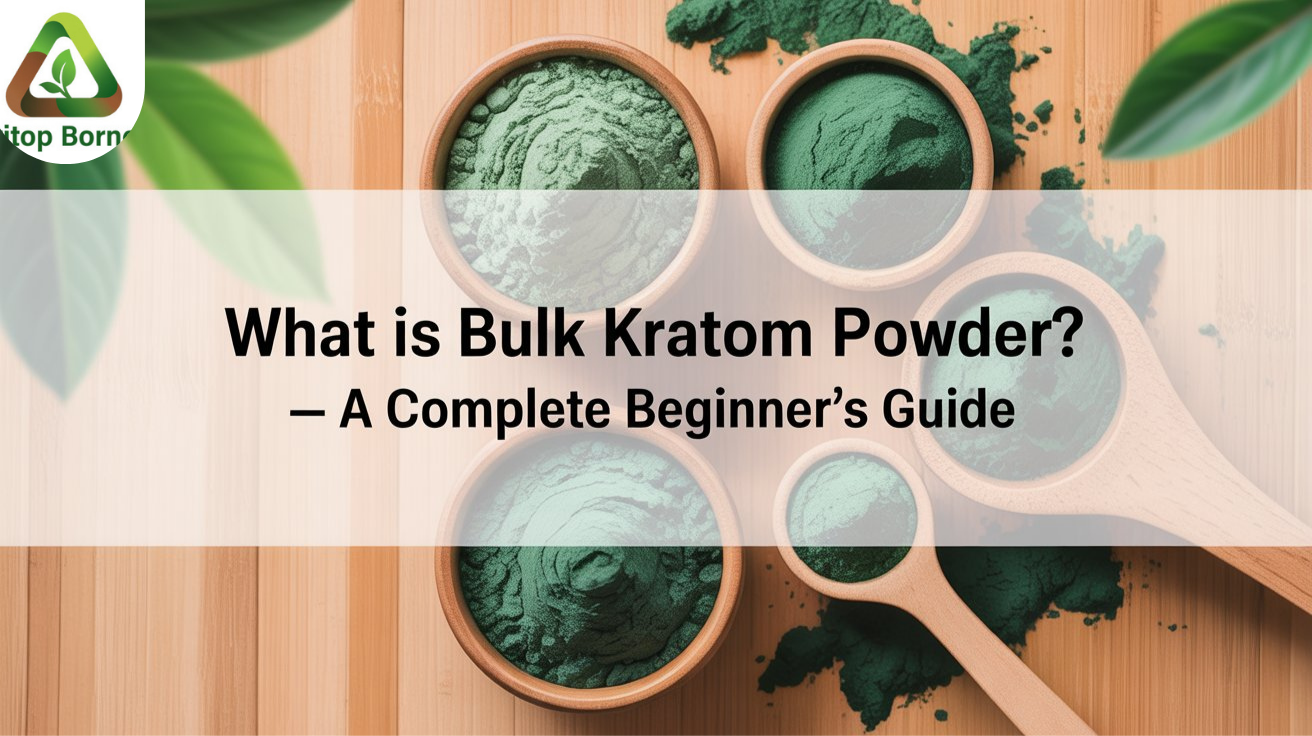
Bulk kratom powder has become a common search among consumers, small businesses, and researchers looking for cost-effective, high-volume access to this Southeast Asian botanical. As interest has grown, there is a need for reliable information about quality, safety, legality, and sourcing practices. This guide provides clear, fact-based insights to help you understand what bulk kratom powder is and how to assess suppliers responsibly.
What Is Bulk Kratom Powder?
Kratom is a powdered botanical made from the dried leaves of Mitragyna speciosa, a tropical tree native to Indonesia, Malaysia, Papua New Guinea, and Thailand. The leaves contain naturally occurring alkaloids such as mitragynine and 7-hydroxymitragynine.
Bulk kratom powder refers to wholesale or high-volume quantities, often sold in:
1 kg bags
5–10 kg lots
20+ kg wholesale orders
While individual retail packs usually come in 50 g–250 g sizes, bulk quantities are geared toward:
Small businesses
Independent vendors
Researchers
Manufacturers producing herbal blends or extracts
Bulk kratom is typically processed in large batches before being portioned for resale or further manufacturing.
Common Kratom Strains
Kratom leaves are often categorized by drying method and place of origin:
Red Vein – dried longer with limited sunlight exposure
Green Vein – balanced drying process
White Vein – dried with more exposure to sunlight
Specialty Strains – such as Maeng Da, which refers to selective harvesting rather than a botanical species
Why Consumers and Businesses Buy Kratom in Bulk
1. Cost Savings
Larger quantities reduce the cost per gram. Businesses that resell kratom or use it in product creation benefit most from wholesale rates.
2. Consistency
Bulk lots come from the same harvest and processing batch, making:
Product testing is more reliable
Blending and formulation are easier
3. Reliable Supply
For manufacturers and retailers, maintaining inventory consistency is essential.
4. Control Over Packaging
Buying in bulk allows businesses to package kratom under their own brand, with control over labelling and freshness.
Quality Factors to Look for in Bulk Kratom Powder
Quality varies widely in the kratom industry. Because of this, proper evaluation is essential—especially when purchasing in large quantities.
1. Lab Testing
Reputable suppliers provide third-party lab tests verifying:
microbial safety
heavy metals levels (lead, arsenic, cadmium, mercury)
alkaloid content
absence of contaminants or adulterants
Certificates of Analysis (COAs) should be accessible and current.
2. Sourcing Regions
Most bulk kratom comes from:
Indonesia (the largest exporter)
Malaysia
Papua New Guinea
Region affects leaf texture, alkaloid levels, and freshness.
3. Drying and Processing Methods
Drying determines vein colour classification. Proper processing avoids:
mold growth
contamination
excessive oxidation
4. Freshness Indicators
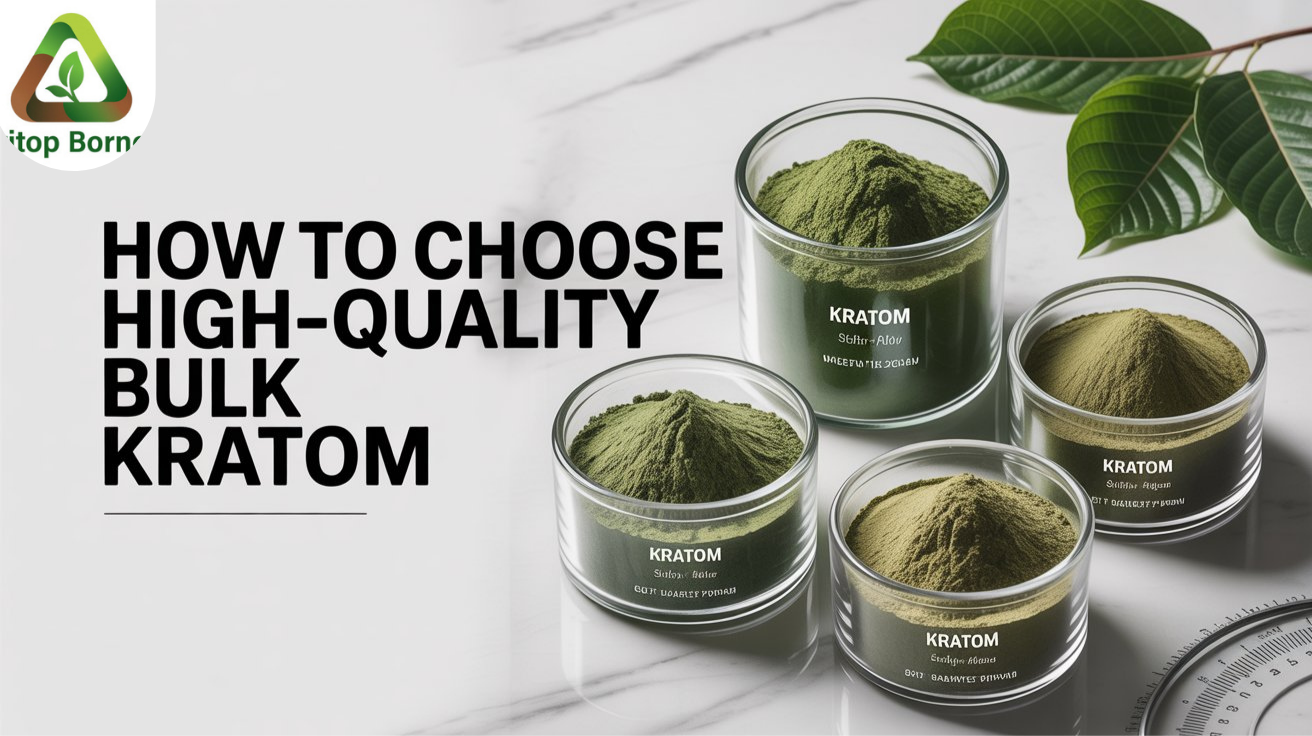
Fresh kratom powder is:
fine and smooth
green to deep olive in colour
free from clumps or moisture
Bulk kratom should be vacuum-sealed or packed in airtight, food-safe bags.
Legal & Safety Information
Kratom’s legal status varies worldwide and within the United States.
U.S. Regulations
Kratom is not federally scheduled, but several states or cities have bans or age restrictions. Some states have adopted the Kratom Consumer Protection Act (KCPA), which sets safety standards for labelling, testing, and sales practices.
Examples of regulations include:
age requirements (commonly 18 or 21+)
mandatory product testing
labeling requirements
bans in select counties or municipalities
Global Regulations
Countries such as Thailand and Malaysia have changed or updated regulations in recent years. Some regions permit export with oversight, while others restrict domestic sale.
Because laws change, buyers should always check the current local regulations before purchasing or distributing bulk kratom powder.
Safety Considerations
Safety concerns often relate to:
contamination (e.g., Salmonella outbreaks in past years)
adulteration with synthetic substances
Heavy metals in soil
user misuse or high intake
Independent lab testing and responsible sourcing significantly reduce risk.
How to Store Bulk Kratom Powder
Proper storage preserves freshness and prevents waste—especially with large quantities.
Ideal Storage Conditions
Cool, dry environment
Airtight containers (mylar bags or sealed jars)
Low humidity to prevent moisture absorption
Minimal light exposure
Shelf Life
When properly stored, kratom can maintain quality for 1–2 years. However, potency and aroma may slowly diminish over time.
Where Bulk Kratom Powder Comes From
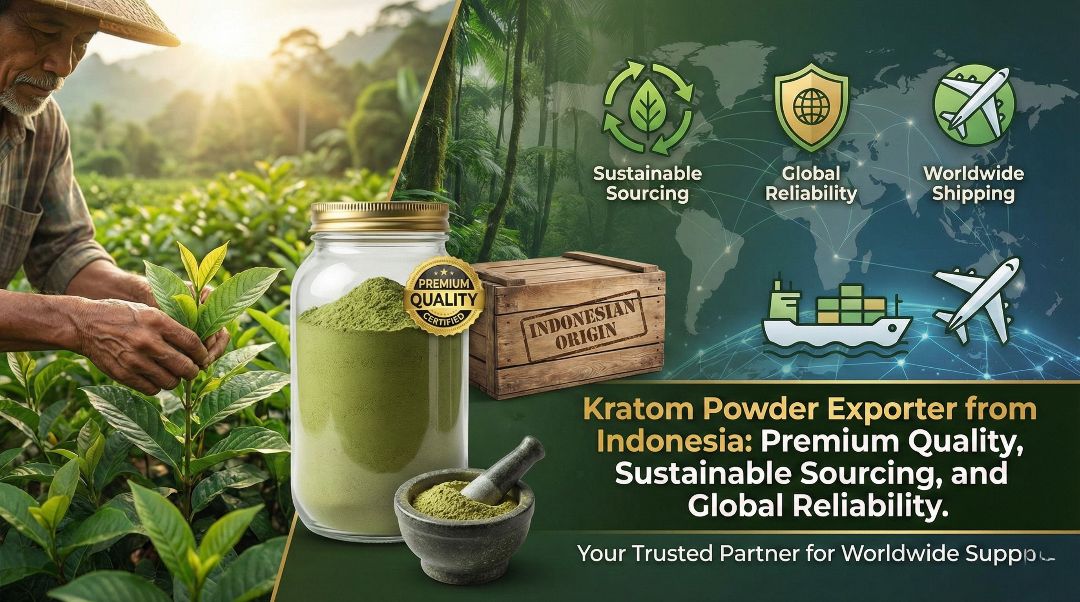
Most bulk kratom is grown by small family farms in Indonesia, where the plant thrives in humid, tropical conditions. Leaves are:
Harvested by hand
Washed and sorted
Dried using traditional or controlled methods
Milled into fine powder
Vacuum-sealed for export
Sustainable harvesting ensures older, mature leaves are selected while protecting young growth.
How to Choose a Trusted Bulk Supplier
Before buying kratom in bulk, review the supplier’s transparency and quality standards.
What to Look For
Third-party lab testing for each batch
Consistent communication and responsive customer service
Clear sourcing information about regions and farmers
Sanitary processing facilities
Positive, verified customer reviews
Compliance with KCPA, where applicable
Avoid suppliers who:
refuse to share lab reports
sell unusually cheap bulk lots
Use vague or misleading strain names
provide no details about origins or processes
Frequently Asked Questions About Bulk Kratom Powder
1. Is kratom legal in the U.S.?
Kratom is legal at the federal level but regulated or banned in certain states and cities. Always verify local laws.
2. How long does bulk kratom last?
With proper storage, kratom powder can retain quality for 1–2 years.
3. What quantities are considered “bulk”?
Most suppliers define 'bulk' as 1 kilogram or more, with wholesale options ranging from 5 to 100+ kilograms.
4. Does kratom require lab testing?
Testing is not federally mandated but strongly recommended. Many states require testing under KCPA laws.
5. Are all kratom strains different plants?
No. Most strains come from the same species; differences are based on leaf maturity and drying processes.
Conclusion
Bulk kratom powder is widely used by businesses, researchers, and manufacturers who need consistent, high-volume access to this Southeast Asian botanical. Because the market varies in quality and regulation, choosing a trusted supplier and understanding legal requirements is essential. By focusing on lab-tested products, transparent sourcing, and proper storage, buyers can make informed, responsible decisions.
If you're exploring bulk kratom for business or research purposes, consider continuing your learning, reviewing supplier certifications, or reading additional guides on sourcing and quality assurance.
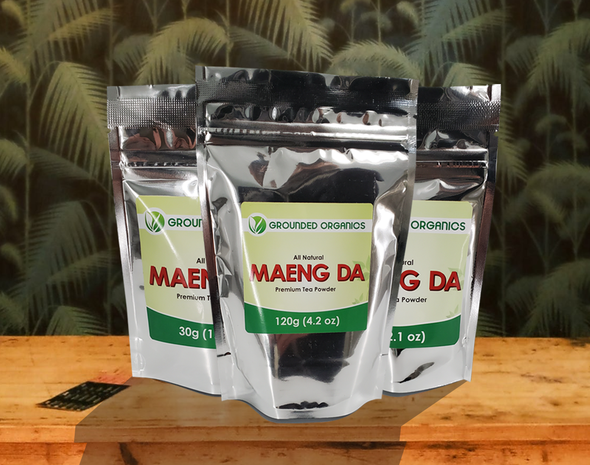
No need to go anywhere to find organic Kratom Capsules in Bulk, when we are here to provide you with the best and certified organic kratom.
Use our products and you will become healthier for sure.