





Marine drafting and shipbuilding design play an essential role in building ships and other marine vessels. Because demand in shipyards is rising worldwide, many yards struggle to finish orders on time. Faster turnaround, high quality, and competitive pricing are key pressures on them. Marine drafting services help shipyards by taking care of detailed design work — allowing them to focus on what they do best.
A dedicated marine services team supports shipbuilding at every stage, from basic outline design to detailed drawings, structural analysis, and even training through computer-based tools. The aim is to speed up the process, increase productivity, and lower costs while ensuring high standards in design and engineering.
What Marine Drafting Services Include
Here are the main services offered under marine drafting and shipbuilding design:
Detailed 3D Production Drawings — Clear, three-dimensional drawings that shipbuilders can use directly for manufacturing.
Drawing Conversion & Migration — Converting old drawings into modern formats, or migrating designs between CAD tools or versions.
Piping Design & Routing — Planning and drawing piping systems and their layout in ships (for water, fuel, drainage, etc.).
Analytical Services — Structural and performance analysis to ensure strength, stability, and safety of the vessel.
‘As Built’ Drawings — Creating as-built drawings reflecting the final constructed vessel, used for maintenance or future modifications.
Steel and Outfit Detailing — Detailing all steel parts and outfitting (interior/exterior) that go into vessel construction.
Simulation and Animation — Using 3D modeling and animation to visualize how the vessel will perform, or how different parts fit together.
Production Drawings — Fully detailed drawings used by shipyards to build every part of the vessel accurately.
Why Marine Drafting Matters — Key Benefits
Marine drafting is not just about drawing lines on paper or CAD screens. It brings many advantages to shipbuilding and marine engineering:
Precision and Accuracy: Drafting produces highly accurate technical drawings and plans — essential for the safety, stability, functionality, and compliance of a vessel.
Cost-Effective Design: Thoughtful planning and optimized designs help reduce material waste, cut down construction time, and improve fuel or operational efficiency — leading to overall cost savings.
Regulatory Compliance: Ships need to follow strict safety, environment, and structural regulations. Good drafting ensures that designs meet these standards right from the start.
Better Communication: Drafts serve as a shared technical language among naval architects, engineers, shipbuilders, and other stakeholders. Clear drawings avoid misunderstandings, easing coordination across teams.
Visualization and Analysis: Through 2D and 3D modelling, stakeholders can “see” the vessel before it’s built. Designers and engineers can run simulations and predict how it will behave in real conditions — helping catch problems early.
Streamlined Manufacturing: Well-detailed drawings can be directly used in the workshop. This clarity reduces errors during construction and enables smoother assembly of components.
Customization and Innovation: Drafting offers flexibility — designers and naval architects can experiment with new ideas, customize a vessel for specific needs, and innovate with modern design concepts.
Documentation for Lifespan: Drafts are not just for construction, but also become critical records for maintenance, repairs, upgrades, or modifications later in the vessel’s life.
Risk Mitigation: Early detection of design flaws — structural weaknesses, misfits, system clashes — helps avoid costly rework or retrofitting after construction begins.
Sustainability: With careful design, drafting can help optimize fuel consumption, reduce emissions, and minimize environmental impact by improving hull design, optimizing weight distribution, and enhancing overall vessel efficiency.
How Marine Drafting Fits into Ship Design
Designing a marine vessel is a phased process. It starts from initial concept, moves to preliminary design, then to detailed design — culminating in complete production drawings. Marine drafting works across these phases, translating early ideas into feasible and buildable designs.
In early stages, naval architects may define the basic shape, dimensions, buoyancy, stability, and hydrodynamics of a ship. Once core principles are defined, marine drafters — using CAD tools — build detailed structural layouts, piping systems, internal arrangements, and integrate all systems (mechanical, electrical, plumbing, etc.).
As the design matures, drafting converts layouts into detailed 2D and 3D drawings, ready for fabrication. This approach ensures that the vessel is safe, functional, cost-effective, and compliant with regulations.
Also, when designs or regulations change — or when old vessels are refit — drafting services offer conversion, updating, and as-built drawing creation. These help in renovation, repair, or reuse, extending the life of the vessel.
Who Benefits from Marine Drafting Services
Several parties benefit from professional marine drafting:
Shipbuilders and Shipyards — They get precise, ready-to-use production drawings that speed up construction and reduce errors.
Naval Architects and Marine Engineers — Drafting helps them validate structural, hydrodynamic, and regulatory aspects before actual building.
Owners and Operators of Vessels — Through efficient designs and thorough documentation — they get safer, more efficient, and cost-effective vessels, easier maintenance, and long-term reliability.
Maintenance and Repair Teams — As-built drawings and detailed documentation make maintenance, retrofits, and inspections easier.
Regulatory and Compliance Authorities — Detailed plans help them assess stability, safety, environment compliance, and approve vessels before launch.
Why Professional Marine Drafting Services Are Important
Using a professional drafting service brings many advantages:
Drafts are created by a skilled and experienced team of engineers and drafters, ensuring high quality and precision.
Outsourcing drafting lets shipyards concentrate on construction and production rather than design details.
It reduces overall development and construction costs by optimizing design, reducing waste, and avoiding costly rework.
It improves operating efficiency and speeds up the time-to-market — vital when clients demand quick delivery.
It encourages innovation — giving access to advanced tools, detailed modeling, simulations, and modern design concepts that may be costly to maintain in-house.
Conclusion
Marine drafting is a cornerstone of modern shipbuilding and marine engineering. By converting early design concepts into detailed technical drawings, models, and blueprints, it ensures that vessels are safe, efficient, compliant with regulations, and cost-effective.
Quality marine drafting saves time and money, reduces risks, and supports strong collaboration between architects, engineers, shipbuilders, and clients. Whether it is for building new ships, converting existing designs, creating as-built documentation, or supporting maintenance, marine drafting offers critical value throughout the vessel’s life.
For any shipyard or marine-related project — having access to professional drafting services can make the difference between a basic design and a well-engineered, practical, safe, and efficient vessel ready for real-world use.


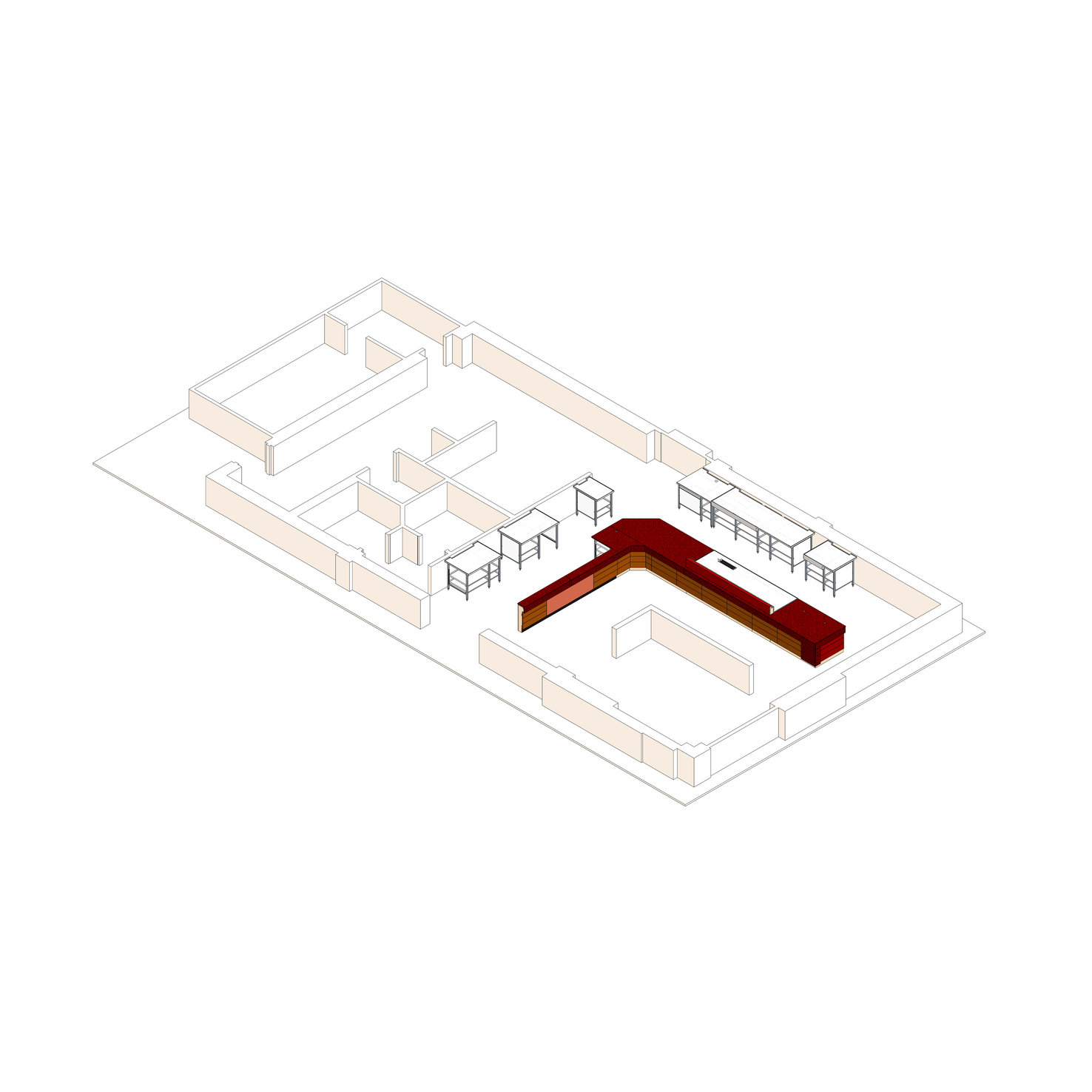
Global millwork industry is relying upon custom woodworking design and metal fabrication to create spaces with unique aesthetics. But manufacturing as designed, a major obstacle is having timely production-ready millwork drawings.
We at TrueCADD take care of each detail in custom architectural millwork drafting & drawings, shop drawings, cabinet drafting for woodworking & furniture manufacturers as per design standards specified under NKBA, NFC, and AWI systems. Contact us today for your architectural millwork drawing and drafting services.