

Saudi Arabia’s warehousing and logistics sector is undergoing rapid transformation driven by Vision 2030, booming e-commerce, and increasing demand for safer, more efficient material-handling operations. As warehouses in Riyadh, Jeddah, Dammam, and other industrial hubs grow in scale and complexity, safety risks around forklift operations continue to rise. One of the most effective technologies addressing these challenges today is the forklift camera system — a smart, real-time visual aid designed to enhance operator visibility, eliminate blind spots, and reduce accident rates.
Why Warehouses in Saudi Arabia Need Forklift Camera Systems
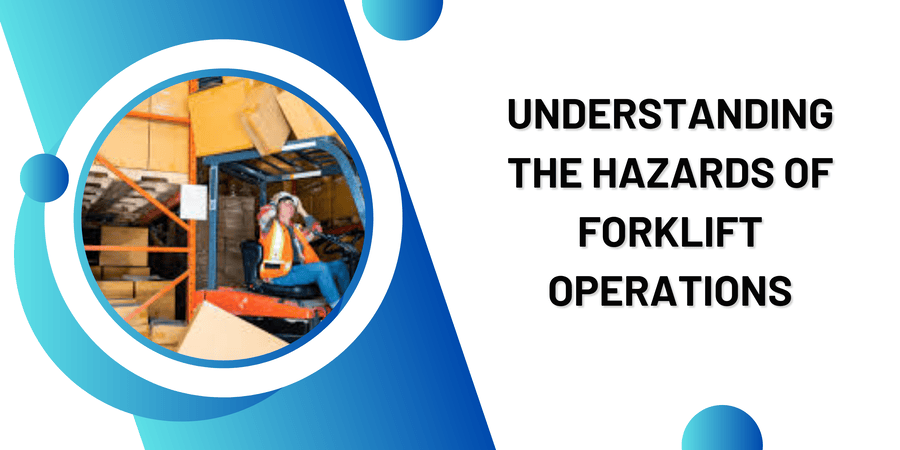
Forklift-related accidents remain a major concern in Saudi industries such as logistics, retail distribution, manufacturing, petrochemicals, and construction supply yards. Common causes include obstructed visibility, narrow warehouse aisles, pedestrian movement, and poor environmental lighting—especially in large cold storage and 24/7 operations.
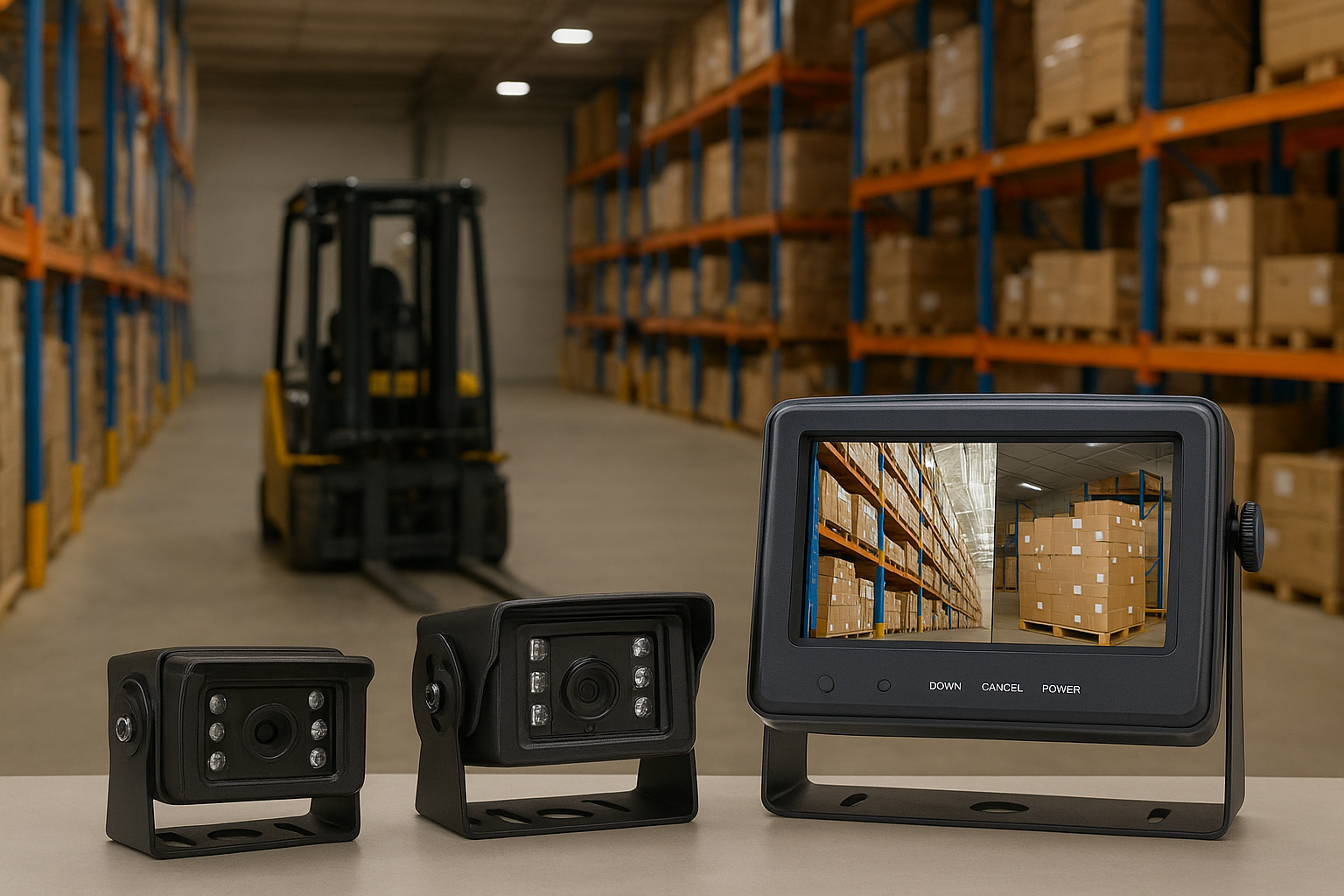
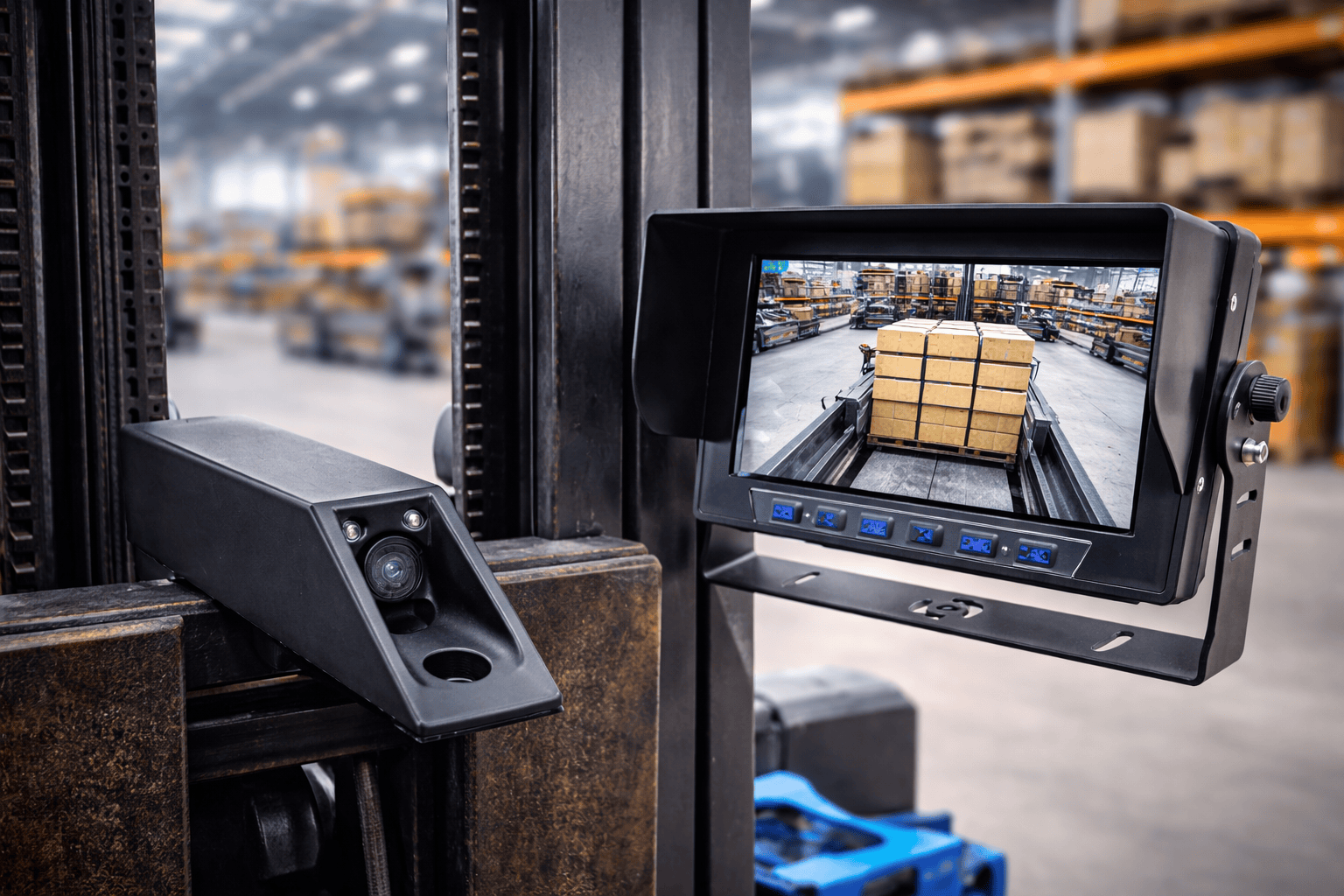
Forklift camera systems provide a reliable solution by giving operators a clear, real-time view of the load, forks, rear, and surrounding environment. With the country emphasizing workplace safety standards under Saudi OSHA and wider industry regulations, more businesses are adopting advanced vision-based safety tools to minimize risks.
Key Benefits of Forklift Camera Systems
1. Elimination of Blind Spots
Saudi warehouses often handle high-stacked pallets and bulky loads that block the operator’s forward view. Forklift cameras—especially mast-mounted or fork-mounted versions—ensure the driver has a clear visual of the forks and load at every height. This significantly reduces errors during stacking, racking, and pallet retrieval.
2. Enhanced Pedestrian Safety
Busy warehouses, especially in ports and logistics parks, have constant worker movement. Rear-view and side-view cameras allow operators to monitor pedestrian zones before reversing or turning, preventing collisions in tight aisles.
3. Improved Precision and Productivity
Camera systems enable operators to place loads faster and more accurately. This leads to fewer damaged goods, more efficient pallet placement, and smoother workflow, which is crucial for high-demand warehouses in Saudi’s growing e-commerce sector.
4. Better Night and Low-Light Operations
Many Saudi facilities run night shifts or operate in harsh outdoor conditions. Modern forklift cameras often include infrared night vision, LED-assisted lighting, and high-contrast displays that ensure optimal visibility even in poorly lit environments.
5. Reduced Operator Fatigue
With clearer visibility and better situational awareness, operators feel more confident and less mentally strained. Reduced fatigue translates into fewer human errors and improved long-term productivity.
6. Recording and Monitoring Capabilities
Some forklift camera systems come with built-in DVR capabilities, allowing warehouse supervisors to review footage after incidents or use recordings for operator training. This is highly valuable for large-scale warehouses operating under strict compliance requirements.
Applications Across Saudi Industrial Sectors
Forklift camera systems are now widely used in:
- Logistics & Distribution Centers (Riyadh, Jeddah, Dammam)
- Mega retail warehouses
- Cold storage facilities
- Ports and free zones
- Manufacturing plants
- Petrochemical industrial zones such as Jubail & Yanbu
- Construction and heavy material yards
These sectors benefit from the increased safety, reduced damage, and improved accuracy that camera systems offer.
Choosing the Right Forklift Camera System in Saudi Arabia
When selecting a system, warehouses should consider:
- Camera type (fork, mast, rear, 360° bird-eye view)
- Durability for outdoor or dusty environments
- Night vision capability
- Wireless vs. wired setup
- Monitor size and clarity
- Compatibility with existing safety systems
- IP-rated waterproof and shockproof build
- Recording options for training and compliance
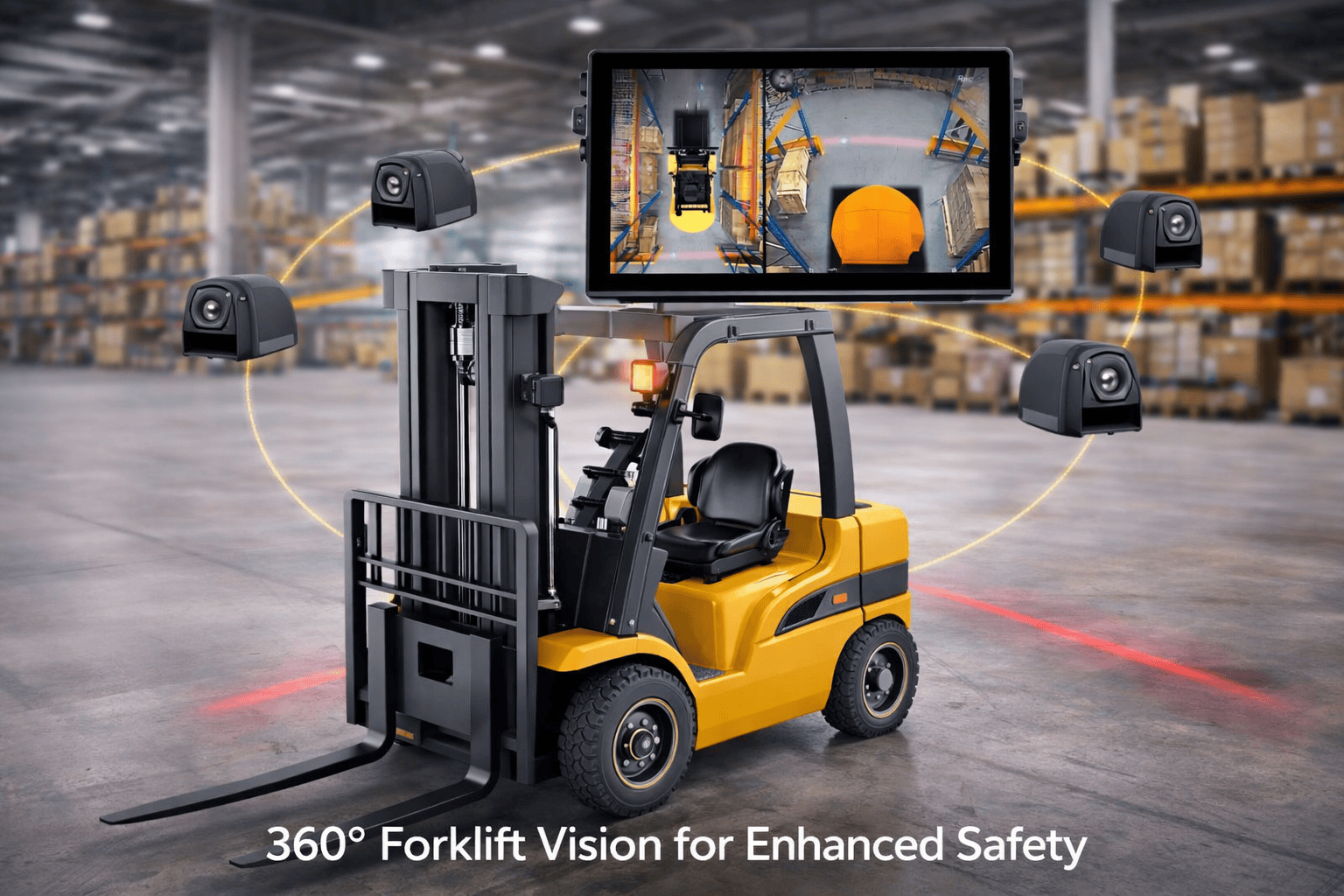
Advanced systems such as 360° bird-eye camera solutions offer complete visibility around the forklift and are ideal for high-traffic Saudi warehouses.
Conclusion
Forklift camera systems are no longer optional—they are becoming an essential part of warehouse safety strategy in Saudi Arabia. As the Kingdom pushes towards world-class logistics standards, companies adopting advanced safety technologies not only protect their workforce but also improve operational efficiency, reduce downtime, and achieve higher compliance levels. Implementing forklift camera systems is a smart, future-ready investment that aligns perfectly with Saudi Arabia’s rapidly evolving industrial landscape.
Workplace safety is a top priority for UK industries, especially in environments where forklifts are widely used. Poor visibility and blind spots can create serious risks for both operators and ped