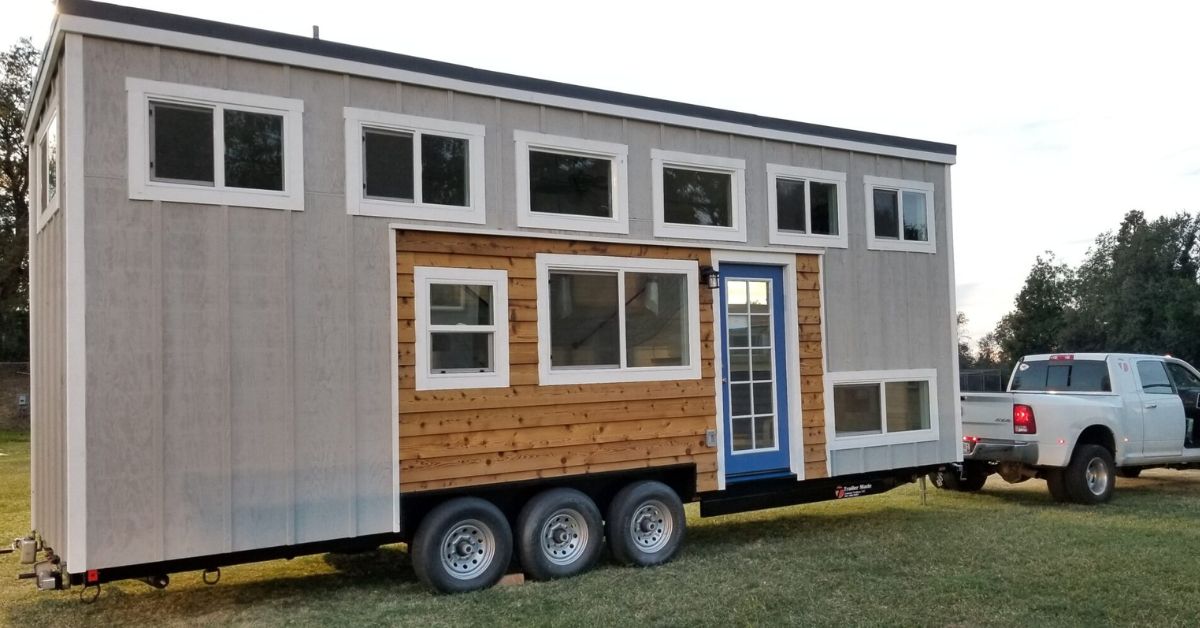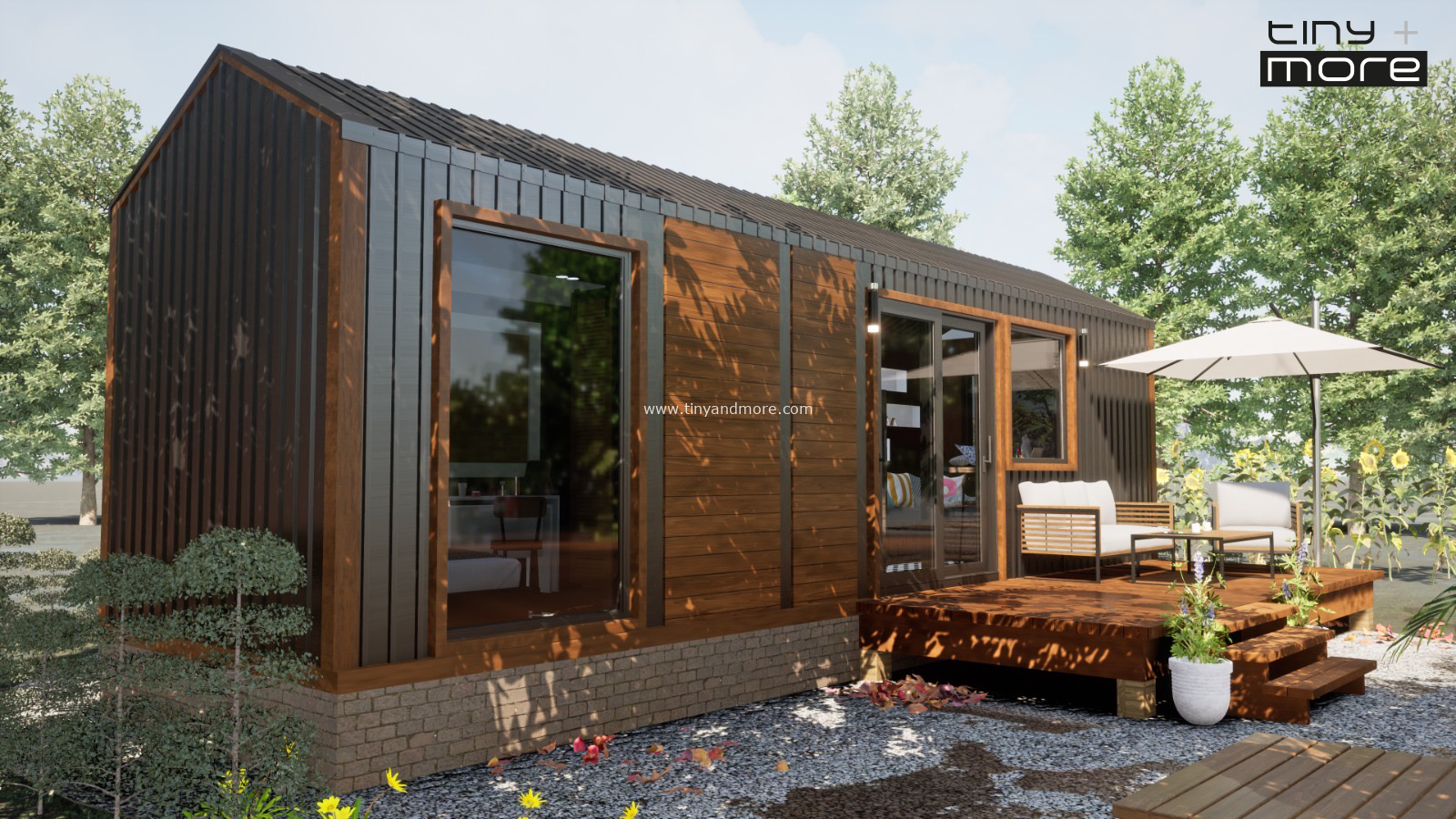
Living in a legal tiny house may feel like an easy fix - slash clutter, cut spending. Less space means lower payments, plus a snug, no-fuss vibe feels nice. Yet past the cute look hides price tags few rookies see coming. Knowing about them ahead of time prevents stress, money trouble, or regrets later on.
Why Does “Legal” Matter So Much?
A legal tiny house? That means it follows local rules for construction, where you can place it, and safety standards. Staying within those guidelines helps dodge penalties, having to move out fast, or trouble down the line when trying to sell. Getting everything approved though - it’s tougher than most think. Costs pile up quick from inspector visits, required paperwork, and possibly swapping in better parts like safe wiring, solid pipes, or materials that resist flames. Take a mobile unit on wheels - chances are it needs stronger lights, sturdier brakes for road use, tacking hundreds or even thousands onto what you planned.
How Much Do Site Preparations Really Cost?
Plenty of new tiny homeowners think they’ll just drop the place wherever - but reality hits hard when prep work starts. If your unit’s allowed by law, you might still have to chop trees, level ground, or set up support pads instead. Getting pipes and wires connected? Turns out it adds up fast, particularly way off city grids. Folks who’ve done this warn: wiring a far-out spot could run as high as buying the whole structure.
Are Customizations Eating Your Budget?
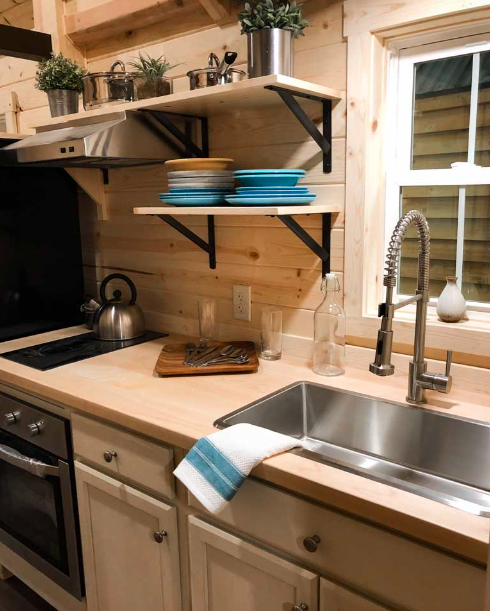
A big perk of a legal tiny house? You can shape it around how you live. Yet these personal touches usually mean higher costs. Things like better insulation, eco-friendly gadgets, or fitted storage look good on paper - but they’re pricier per sq ft than in regular homes. Folks often don’t see how fast little extras pile up. Swapping a basic stair for a made-to-measure ladder may sound small; still, it can run into hundreds - on top of design and setup fees.
What About Maintenance and Repairs?
Tiny homes might be compact, yet upkeep still adds up. Fixing the roof, checking the trailer frame, or adjusting the foundation every now and then keeps things safe and within rules. Since many mini-homes follow tighter building standards, certain jobs need licensed pros instead of home-tweaks - hiking up repair bills. Folks who know the scene often point out skipping these costs trips people up, hitting wallets harder than expected.
Can Living Small Still Save Money?
Even with extra fees, a legal tiny home might cost less than regular houses - though smart planning’s essential. You’ve got to think ahead about sneaky charges such as land prep, paperwork, and unique upkeep instead of thinking the build price covers everything. Lots figure out that talking with pros early on prevents costly mistakes or future trouble with laws.
Conclusion
A legal tiny house gives you more freedom, uses fewer resources, brings simpler living - yet still comes with unexpected fees. Permits, check-ups by inspectors, getting the land ready, plus upkeep down the road might catch even careful owners off guard. The best approach is to embrace the process thoughtfully, seek guidance from tiny house experts, and plan for both the visible and invisible costs of small-space living. Knowing what’s ahead won’t kill the excitement of going small; instead, it keeps your vision grounded, secure, doable.