San Francisco, 11 December 2025: The Report Microwave Ablation Market (2025 - 2030) Size, Share & Trends Analysis Report By Component Type (Generator, Power Distribution System), By Application (Oncology, Cardiovascular, Urology, Orthopedic), By End-use, By Region, And Segment Forecasts
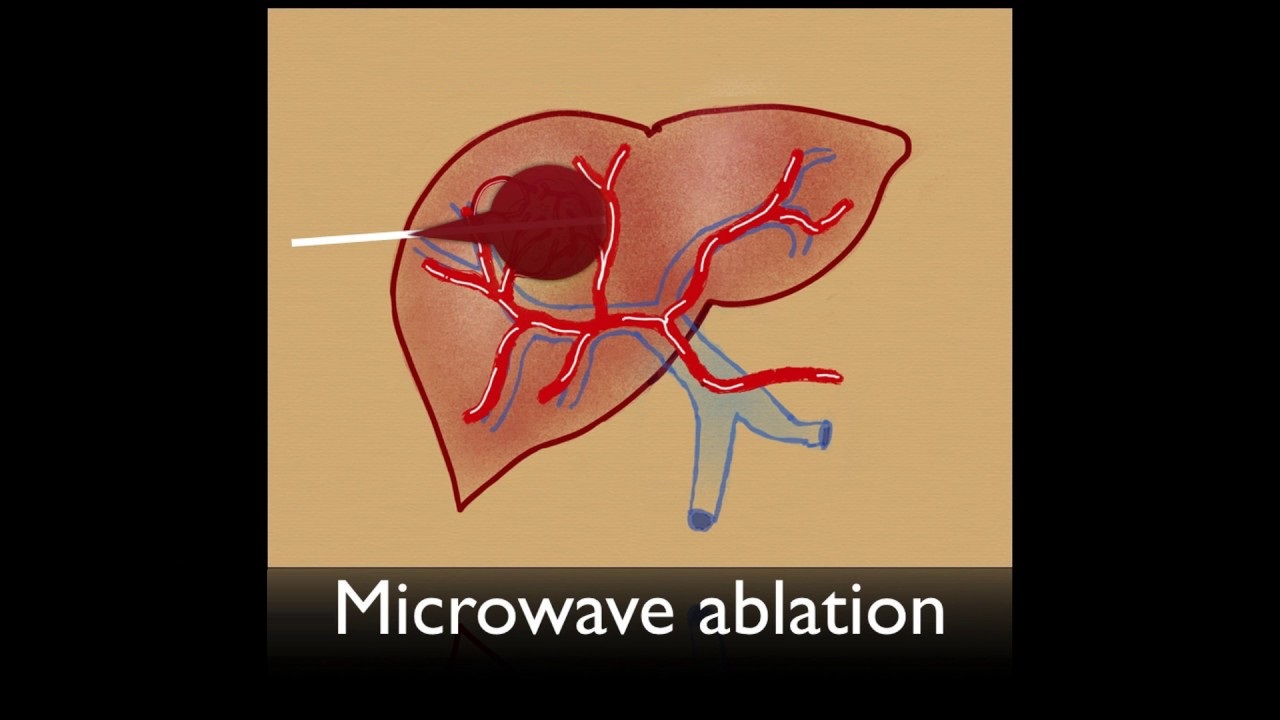
The global microwave ablation market size is expected to reach USD 962.1 million by 2030, registering a CAGR of 14.2% from 2025 to 2030, according to a new report by Grand View Research, Inc. The growth of the market is attributed to the increase in liver, lung, bone, and kidney cancer incidences worldwide. Microwave ablation devices are anticipated to increase in popularity in the near future due to technological developments and a growing preference for minimally invasive procedures.
The market growth was negatively influenced by the COVID-19 pandemic in 2020, however, the sector witnessed growth in 2021 as a result of a decline in COVID-19 cases. The adoption of standard operating procedures, preventive measures, and the lower COVID-19 death rate allowed other operational processes in healthcare facilities to continue with less danger of infection. As a result, the market saw a gradual increase in revenue as COVID-19 instances declined in several countries throughout the fiscal year 2022.
Additionally, the market for microwave ablation devices will expand as a result of people's changing lifestyles, unhealthy eating habits, and use of tobacco and alcohol. These factors are all contributing to an increase in cancer incidence. According to the World Cancer Research Fund International, there were around 18.1 Million new cases of cancer worldwide in 2020. In 2020, breast and lung cancer accounted for 12.5% and 12.2%, respectively, of all newly diagnosed cases of cancer. In 2020, there were 1.9 million new instances of colorectal cancer, accounting for 10.7% of all cancer cases. According to estimates from the International Agency for Research on Cancer (IARC), by 2040, the growth and aging of the population alone are predicted to cause 27.5 million new instances of cancer and 16.3 million cancer deaths worldwide. Due to the rising frequency of risk factors such as smoking, poor food, physical inactivity, and fewer pregnancies in economically developing nations, the burden will likely grow in the future.
Request sample report of Microwave Ablation Market@ https://www.grandviewresearch.com/industry-analysis/microwave-ablation-market-report/request/rs1
According to the American Cancer Society, in 2024, the U.S. projected approximately 2,001,140 new cancer cases, with notable figures of 234,580 for lung cancer, 41,630 for liver cancer, and 81,610 for kidney cancer. These statistics underscore the rising demand for effective treatment options, particularly those such as microwave ablation that offer minimally invasive solutions targeting tumors with precision and safety. The market growth can be attributed to the increasing incidence of various cancers, including liver, lung, kidney, and bone cancers.
Advancements in medical technology serve as another catalyst for market growth. Continuous improvements in microwave ablation devices have enhanced their effectiveness through innovations such as real-time imaging guidance and artificial intelligence integration. Such technological developments are becoming essential as the cancer treatment landscape evolves, resulting in improved treatment outcomes and reduced complications for patients diagnosed with increasingly prevalent cancers. This trend aligns with the growing focus on employing advanced methodologies to address the rising number of cancer diagnoses effectively.
In 2024, around 65% of patients undergoing cancer treatment expressed a preference for minimally invasive techniques, which typically provide shorter recovery times and decreased postoperative pain compared to traditional surgical methods. This notable demand for innovative treatment modalities, such as microwave ablation, highlights the changing attitudes toward surgical interventions in the oncology field, making them more appealing to both patients and providers.
This trend is especially pronounced in North America and Europe, where collaborative efforts between healthcare institutions, research organizations, and medical device manufacturers are fostering innovation. Such partnerships enhance access to microwave ablation technologies and drive market growth, as they enable the development of new solutions tailored to meet the rising demands of cancer treatment amid an evolving healthcare landscape.