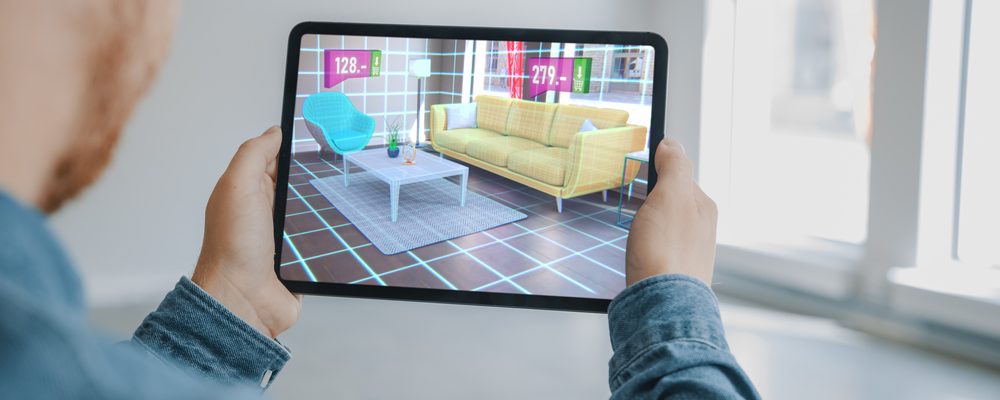
In today’s fast-paced digital world, businesses are constantly searching for better ways to connect with their customers, enhance engagement, and deliver unforgettable experiences. One of the technologies leading this transformation is Augmented Reality (AR). AR bridges the gap between the physical and digital worlds, overlaying digital information on the real environment, which not only delights users but also elevates the way they interact with brands. In this article, we’ll explore how AR improves customer experience through real-world case studies, discuss the practical benefits, and highlight how companies—including innovators like Zoolatech—are leveraging this technology to stay ahead.
Before diving into specific examples, it’s essential to understand what AR is and why it matters.
What Is Augmented Reality?
Augmented Reality (AR) is a technology that superimposes computer-generated visuals, sounds, or other sensory enhancements onto the real world in real time. Unlike Virtual Reality (VR), which creates a fully immersive virtual environment, AR enhances the user’s current environment with digital elements. This enables users to interact with both physical and virtual components simultaneously.
AR has seen rapid adoption across multiple industries—retail, entertainment, education, healthcare, manufacturing, tourism, and automotive, to name a few—due to its ability to transform how users perceive and interact with products and environments.
Why AR Matters for Customer Experience
Customers today expect more than just a transaction. They seek engagement, personalization, and convenience. AR delivers all three by:
Creating interactive and immersive experiences
Reducing uncertainty in purchasing decisions
Educating customers in engaging ways
Providing instant visual feedback
Blending digital convenience with real-world context
These benefits collectively contribute to a stronger emotional connection between the brand and the customer—making experiences memorable and encouraging loyalty.
As companies experiment with augmented reality projects, we see a common theme: enhanced customer satisfaction, deeper engagement, and measurable business results.
Case Studies: AR in Action
Let’s look at specific examples where AR has significantly improved customer experience.
1. IKEA Place: Visualizing Furniture in Your Home
One of the most cited examples of AR improving customer experience is the IKEA Place app. IKEA recognized a common pain point for customers: uncertainty about how furniture will look or fit in their homes.
AR Solution: Using AR, IKEA enables customers to virtually place life-size 3D models of furniture in their own living spaces using a smartphone or tablet camera. This helps users:
See if the size fits the space
Visualize colors and styles in context
Compare different options instantly
Customer Impact: Shoppers spend less time guessing and more time confidently choosing products. This reduces purchase hesitation and decreases return rates, improving satisfaction and profitability.
2. Sephora Virtual Artist: Try-Before-You-Buy Beauty
Beauty retailer Sephora introduced Sephora Virtual Artist, an AR feature that allows customers to virtually try on makeup products using facial tracking technology.
AR Solution: By pointing their smartphone camera at their face, customers can see how different makeup shades and products look on their own features in real time. The app also suggests complementary products and looks.
Customer Impact: This AR experience eliminates the guesswork often associated with cosmetic purchases. Shoppers can experiment risk-free, which increases engagement, boosts confidence in buying decisions, and often leads to higher conversion rates.
3. Toyota: Augmented Manuals and Showroom Experiences
Automotive brands are also turning to AR to enhance customer journeys. Toyota implemented AR tools to augment both customer education and in-dealership experiences.
AR Solution: Prospective buyers can use AR to explore vehicle features, view how different parts work, and even see performance data visualized over the car through an AR overlay. In some dealerships, AR is used to simulate customizations like paint colors or wheel types directly on real vehicles.
Customer Impact: Customers don’t need to imagine or guess vehicle features. The interactive AR experience makes complex information simple to understand and enriches showroom visits with dynamic, engaging content.
4. Lowe’s Holoroom: Design and DIY Planning
Lowe’s, a leading home improvement retailer, developed the Holoroom—an AR/VR hybrid experience that allows customers to design and visualize home improvement projects.
AR Solution: Customers can virtually remodel a room, change layouts, test different materials, and visualize project outcomes using AR overlays. They see all elements at real scale before making any purchase or investment.
Customer Impact: Home improvement projects can be intimidating due to uncertainty about outcomes. With AR, customers gain confidence by previewing designs, which leads to better decisions, increased satisfaction, and more successful project results.
5. Fashion Retailers: Virtual Fitting Rooms
Many fashion retailers have integrated AR fitting rooms into their e-commerce platforms. Brands like ASOS and Nike use AR to let customers virtually try on clothes and shoes.
AR Solution: Through a smartphone or in-store AR mirror, customers can see how garments look on a digital version of themselves. Some systems use body scanning to generate accurate representations of fit and size.
Customer Impact: This reduces friction in online shopping, where uncertainty about fit and appearance often leads to abandoned carts or returns. By giving customers confidence in their choices, AR boosts conversion and reduces logistical costs.
Practical Benefits of AR for Customer Experience
Across industries and use cases, AR delivers several tangible benefits that directly influence how customers perceive and interact with a brand.
1. Enhanced Engagement and Interactivity
AR transforms passive browsing into active participation. Instead of merely viewing product pages or catalog listings, customers immerse themselves in interactive environments. This engagement increases time spent with a brand, strengthens emotional connection, and fosters memorable experiences.
Example: Interactive packaging that triggers AR animations encourages users to explore product features long after purchase.
2. Reduced Purchase Anxiety
Many customers hesitate to buy when they can’t fully visualize a product. AR addresses this by showcasing products in real-world contexts—whether it’s furniture in a room or makeup on a face.
Result: Higher confidence leads to faster decision-making and fewer returns.
3. Personalized Experiences
AR enables individualized interactions. Instead of one-size-fits-all content, AR can tailor what a user sees based on their preferences, environment, and behavior.
Example: A beauty app that recommends shades based on skin tone, or a car configurator that adapts options based on prior selections.
4. Differentiated Brand Identity
Implementing AR helps brands stand out in saturated markets. Cutting-edge experiences signal innovation and position a brand as forward-thinking.
Example: A cosmetics retailer using AR makeup previews is perceived as more modern and customer-centric than competitors relying solely on static images.
5. Educated and Empowered Customers
AR is not just for visualization—it’s a powerful educational tool. Technical products, complex services, or installations can be explained interactively, reducing friction and confusion.
Example: An AR assembly guide that shows step-by-step instructions overlaid on a physical product.
6. Increased Sales and Conversion Rates
With enhanced confidence and engagement, AR naturally drives higher conversion. Customers who feel informed and excited about a product are more likely to complete a purchase.
Example: A furniture retailer sees increased purchases after implementing AR room visualization tools.
7. Reduced Returns and Support Costs
Because AR helps customers understand exactly what they’re buying, products are less likely to be returned due to misleading expectations. Additionally, AR can reduce support costs by pre-emptively answering common questions.
Example: AR product demos that explain features and usage cut down on customer service inquiries.
Implementing AR: Best Practices for Businesses
For businesses considering AR, success depends on thoughtful implementation. Here are practical guidelines:
1. Focus on Customer Needs
Identify where customers struggle or hesitate. AR works best when it addresses a real pain point—such as visual uncertainty, complex instructions, or lack of engagement.
2. Keep It Simple and Intuitive
AR should enhance, not complicate. Ensure user flows are smooth and interfaces are intuitive. Overly complex experiences can deter usage.
3. Test and Iterate
Collect data on how users interact with AR. Use analytics and user feedback to refine experiences. Iteration ensures the AR solution remains valuable and user-friendly.
4. Align With Brand and Strategy
AR should be integrated into the broader customer journey. It must reflect brand identity and support overall business goals—not just exist as a novelty.
5. Prioritize Performance
AR experiences must load quickly and work reliably across devices. Poor performance can frustrate users and negate the benefits of AR.
6. Consider Accessibility
Ensure AR features are accessible to users with different abilities. Provide alternatives or supplemental content when necessary.
The Role of Developers and Innovation Partners
Implementing AR often requires technical expertise. This is where experienced developers and partners play a crucial role. Companies like Zoolatech specialize in custom software development, including AR and immersive technologies. With a deep understanding of user experience and technical execution, such partners help businesses build AR solutions that are engaging, scalable, and aligned with strategic goals.
For many brands, working with a skilled development partner accelerates time-to-market and ensures the technology delivers real value rather than becoming a costly experiment.
Future Trends in AR and Customer Experience
As AR continues to evolve, we can expect even deeper integration into everyday experiences:
1. Wearables and Smart Glasses
With advancements in AR wearables, customers may soon access AR experiences hands-free. Smart glasses could bring product information, navigation, and social interactions into view seamlessly.
2. AI-Enhanced AR
Artificial Intelligence (AI) combined with AR will create more personalized and context-aware experiences. Imagine AR that adapts in real time to user behavior, preferences, or environmental cues.
3. Social AR Experiences
Brands will leverage AR for shared social experiences—where users interact with AR together, share virtual moments, or co-create content.
4. AR in Everyday Commerce
AR will become standard in e-commerce, retail, and service industries. From virtual try-ons to interactive manuals, customers will come to expect AR as part of quality experiences.
Conclusion
Augmented Reality is no longer a futuristic concept—it’s a practical tool that enhances customer experience today. From reducing purchase hesitation and increasing engagement to educating users and boosting conversions, AR delivers measurable benefits for both customers and businesses. Through compelling augmented reality projects, brands can differentiate themselves, strengthen customer loyalty, and create meaningful interactions that resonate long after the first encounter.
As more businesses invest in this transformative technology and partners like Zoolatech help bring AR visions to life, the boundary between physical and digital experiences will continue to blur—leading to richer, more personalized, and more satisfying customer journeys.
Whether you’re a retailer, marketer, product manager, or customer experience professional, understanding and leveraging AR is essential. The future of customer experience is augmented—and it’s already here.




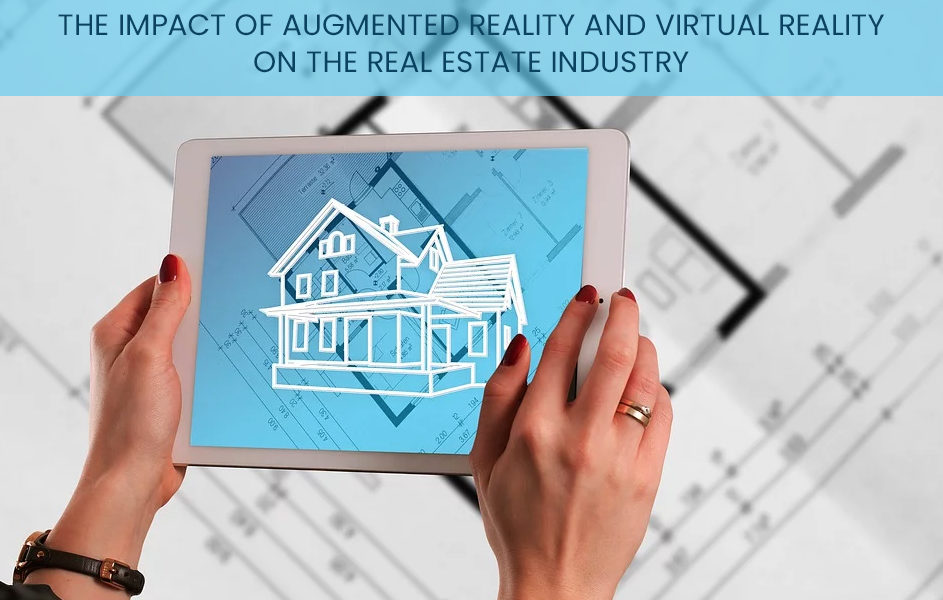
ScaleXM came up with the impact of augmented reality and virtual reality on the real estate industry.
For more read here!For More Details:-https://www.scalexm.com/the-impact-of-augmented-reality-and-virtual-reality-on-the-real-estate-industry/