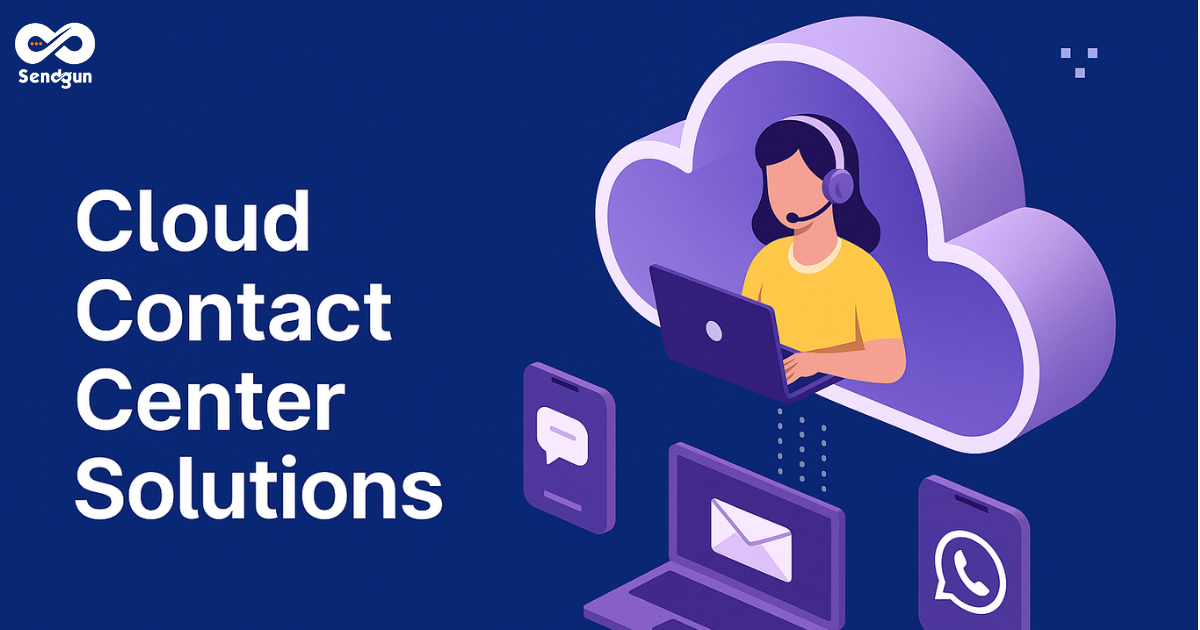
In today’s fast-paced digital landscape, customer expectations have evolved significantly. They expect faster responses, personalized interactions, and support across multiple channels—all without delays. To meet these rising demands, businesses are increasingly adopting the Cloud Contact Center Solution, a powerful platform that centralizes customer communication and streamlines support operations.
A Cloud Contact Center Solution transforms the way companies manage calls, chats, emails, SMS, and social interactions. Unlike traditional call centers that depend on expensive hardware, cloud-based systems offer greater flexibility, scalability, and cost-efficiency.
Why Businesses Are Switching to Cloud Contact Center Solutions
Before diving into the features, it’s important to understand why cloud solutions are becoming the top choice for modern companies.
A Cloud Contact Center Solution helps businesses:
- Reduce operational and IT costs
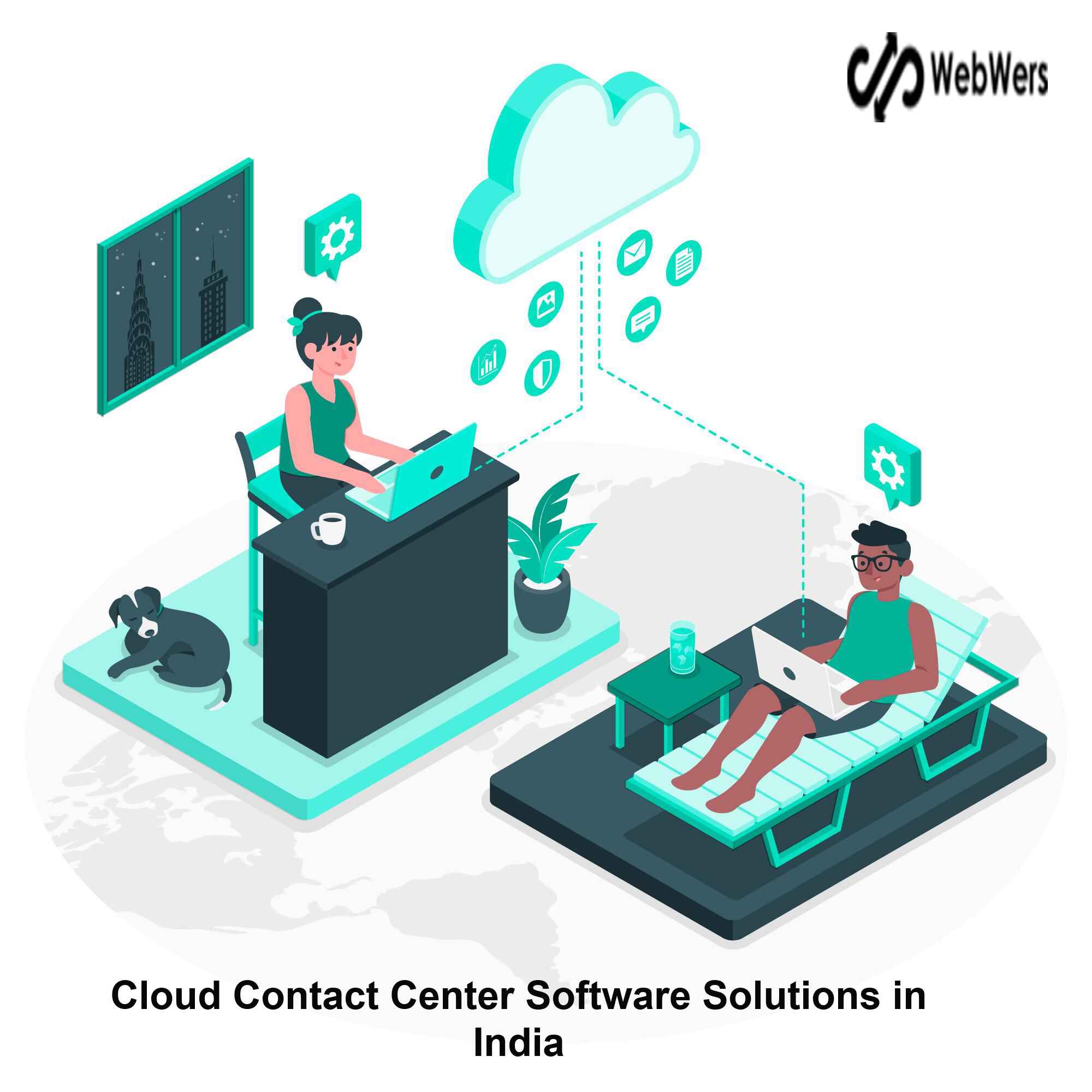
- Support remote and hybrid teams
- Deliver multi-channel customer communication
- Automate workflows and routing
- Improve customer satisfaction with faster response times
Whether you are a startup or a large enterprise, cloud-based contact centers provide the flexibility and automation required for seamless customer experiences.
Top Features to Look for in a Cloud Contact Center Solution
1. Omnichannel Communication Support
A modern Cloud Contact Center Solution should allow customers to reach you through multiple channels such as:
- Voice calls
- SMS
- Live chat
- Social media
- WhatsApp & messaging apps
This unified communication approach helps agents respond quicker and maintain a consistent customer experience.
For example, a customer might raise a query on WhatsApp and follow up on email—your team should be able to view all interactions in one unified dashboard.
2. Intelligent Call Routing & IVR
Smart routing is essential for reducing wait times and connecting customers to the right department instantly. Look for features like:
- Skill-based routing
- Time-based routing
- Priority routing
- Multi-level IVR menus
- Sticky-agent routing
A well-designed IVR helps customers navigate easily and resolve simple queries without speaking to an agent, improving both efficiency and satisfaction.
3. Real-Time Analytics & Reporting
A powerful Cloud Contact Center Solution must include detailed insights such as:
- Call volumes
- Customer wait times
- First response times
- Agent performance
- Customer satisfaction metrics
This data helps businesses make informed decisions, optimize workflows, and identify areas that need improvement.
For example, peak-hour analytics can help you schedule more agents during busy times.
4. AI Automation & Chatbots
AI-based automation is now a must-have feature for cloud contact centers. It handles repetitive tasks and ensures 24/7 availability.
Key AI features to look for:
- Auto-responses for FAQs
- AI-powered chatbots
- Sentiment analysis
- Predictive routing
- Auto ticket creation
These features reduce agent workload and improve service speed, especially during high-volume interactions.
5. Remote Agent Support
Remote and hybrid work environments have become the norm. Your Cloud Contact Center Solution should allow agents to:
- Log in from anywhere
- Access customer data securely
- Collaborate with teams remotely
- Handle calls through softphones
This flexibility not only improves productivity but also ensures business continuity during emergencies.
6. Easy System Integrations
A Cloud Contact Center Solution should integrate smoothly with tools like:
- CRM systems (Zoho, Salesforce, HubSpot)
- Helpdesk applications
- Payment gateways
- WhatsApp, SMS, and email APIs
- Workforce management systems
Integrations help agents access customer history quickly, personalize conversations, and resolve queries faster.
7. High Security & Compliance Standards
Security is a top priority when dealing with customer data. Choose a cloud solution that offers:
- End-to-end encryption
- Role-based access
- Secure cloud storage
- Multi-factor authentication
- Regulatory compliance (like ISO, GDPR, PCI-DSS)
These security features protect both customer data and your brand reputation.
8. Auto Dialers & Outbound Campaign Tools
For sales and marketing teams, outbound tools like:
- Predictive dialers
- Power dialers
- Bulk voice campaigns
- Call-back tools
are essential for running high-volume communication campaigns without manual effort.
9. Call Recording & Quality Monitoring
Quality monitoring tools help supervisors:
- Listen to live calls
- Review recordings
- Score agent performance
- Identify training needs
This ensures consistent improvement in communication quality across the organization.
10. Scalability & Flexibility
A good Cloud Contact Center Solution should scale with your business. Whether you want to add:
- More agents
- New departments
- Additional communication channels
the system must support quick upgrades without downtime or hardware changes.
Real-World Example of Cloud Contact Center Features in Action
A large e-commerce company might use a Cloud Contact Center Solution to:
- Automate order tracking through IVR
- Route refund-related calls to the billing team
- Use chatbots for product inquiries
- Run promotional outbound campaigns
- Support 24/7 customer service across regions
This not only reduces workload but also improves overall customer satisfaction.
Conclusion
Choosing the right Cloud Contact Center Solution is one of the most important decisions a business can make to strengthen customer support and streamline communication. With features like omnichannel support, intelligent routing, AI automation, real-time analytics, and remote agent capabilities, cloud contact centers help companies serve customers faster and more efficiently.