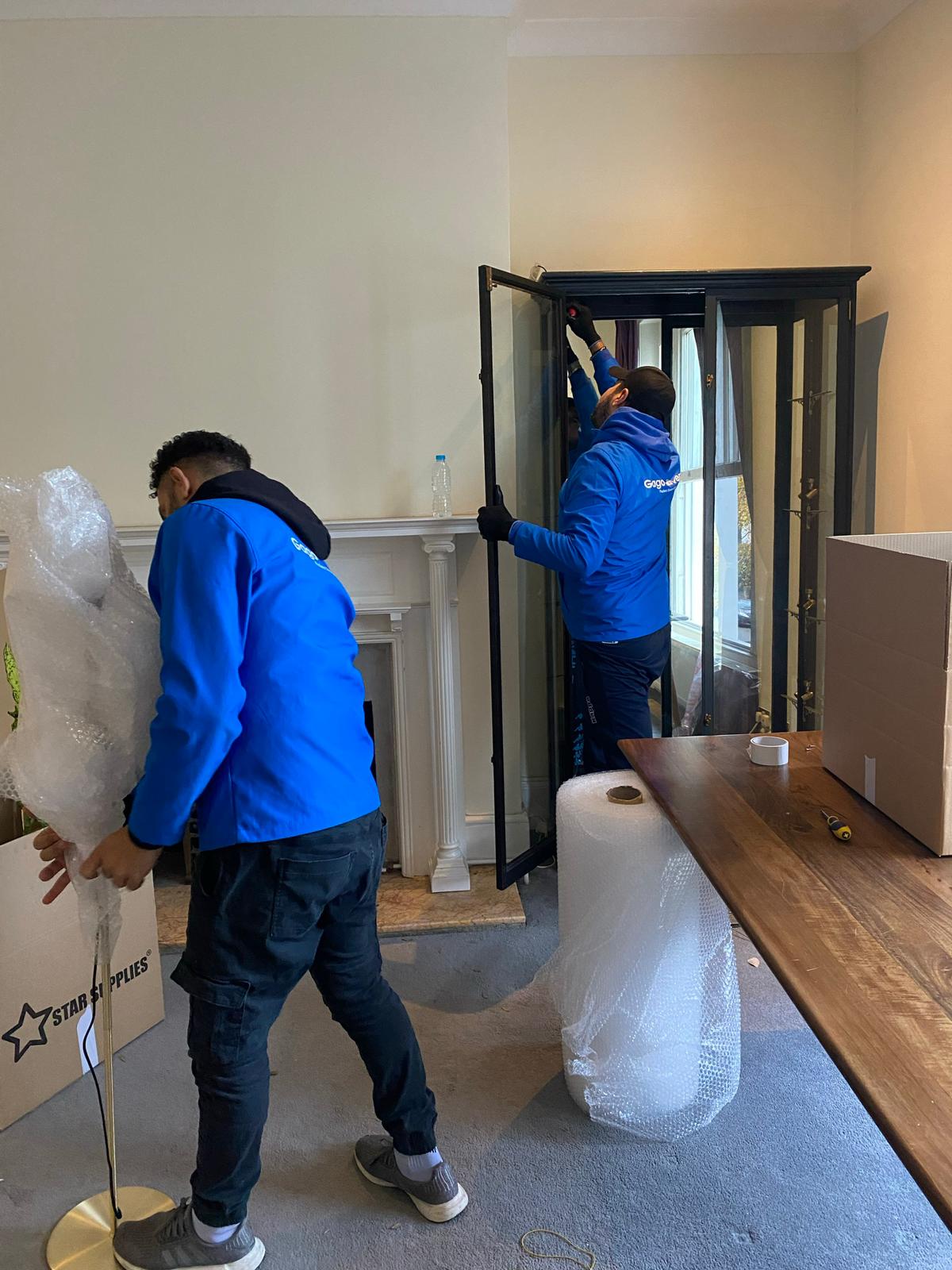


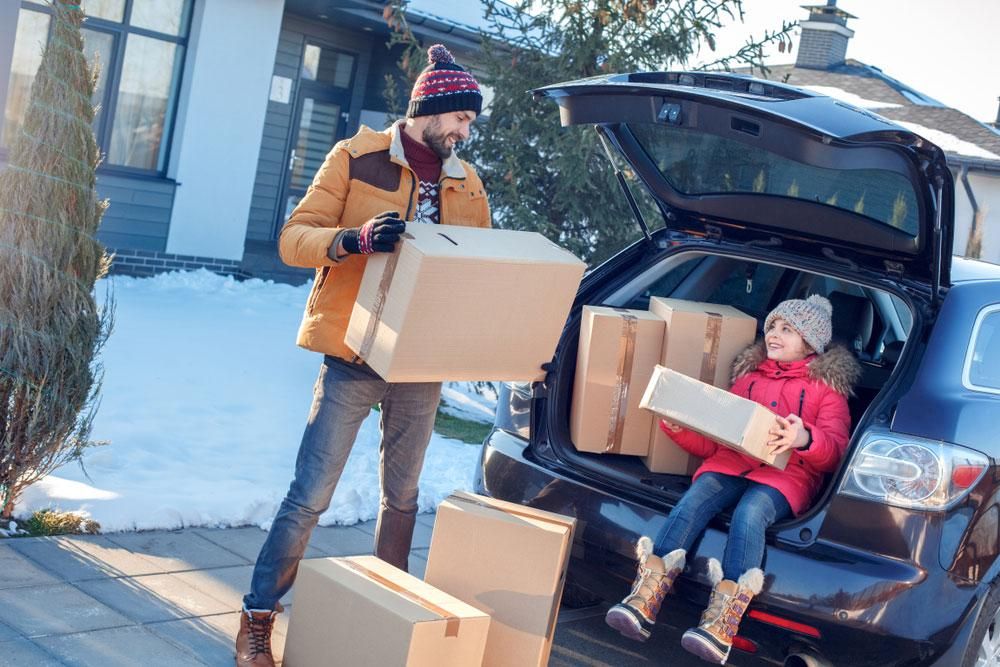
Moving in winter can be tough. Cold weather, snow, and wet conditions can harm your belongings if they aren't packed well. Using the right packing materials can keep your items safe, and hiring professional packers and movers can make the process easier and safer. Here’s a simple guide to the best packing materials for winter and how to use them.
1. Strong Cardboard Boxes
First, sturdy cardboard boxes are essential. In winter, it is better to choose high-quality, double-walled boxes. These boxes are stronger and provide extra protection for fragile items. In addition, make sure the boxes are dry before packing, because wet cardboard can weaken and break more easily.
2. Plastic Containers for Extra Protection
Next, plastic containers are perfect for items that need extra protection from moisture. Clothes, bedding, and documents are vulnerable to snow and rain. Therefore, using waterproof plastic containers keeps them safe. Also, clear containers make it easier for packers and movers to see what is inside without opening each box.
3. Bubble Wrap and Foam Sheets
Fragile items, such as glass or electronics, need extra padding. Bubble wrap cushions items from impacts, while foam sheets provide insulation against cold. Wrap each item carefully, and secure the wrap with tape. For delicate items, thicker foam sheets can prevent cracking or brittleness in cold weather.
4. Moving Blankets and Quilts
Furniture is prone to scratches or damage during winter moves. Moving blankets or thick quilts protect furniture while also adding insulation. In addition, packers and movers can wrap sofas, tables, and wardrobes with blankets, securing them with stretch wrap or tape to prevent movement during transport.
5. Waterproof Packing Paper
Regular packing paper can tear easily or absorb moisture. Instead, use waterproof or coated packing paper for wrapping dishes, glassware, and delicate items. Furthermore, this paper can fill gaps inside boxes to prevent items from shifting or breaking.
6. Shrink Wrap and Plastic Film
Shrink wrap works well for furniture, mattresses, and multiple boxes. It protects items from snow and rain while keeping them secure. In addition, it allows packers and movers to move boxes together efficiently.
7. Packing Tape and Labels
Cold weather can make tape less sticky, so it is important to choose strong packing tape. Reinforce all seams and edges. Also, label boxes clearly, especially those containing fragile or temperature-sensitive items.
8. Plastic Bags for Small Items
Finally, small items, electronics, and loose parts should be sealed in plastic bags. This adds protection against moisture and keeps small items organized. For example, cables, chargers, and tools can stay safe inside sealed bags.
Tips for Winter Packing with Packers and Movers
Always pack items indoors to avoid exposure to cold or wet weather.
Do not overload boxes, as heavy boxes are harder to carry on slippery surfaces.
Place fragile items in the center of boxes with cushioning around them.
Use blankets, towels, or extra padding to fill empty spaces inside boxes.
Clearly mark boxes that contain delicate or temperature-sensitive items.
By choosing the right packing materials, winter moves can be safer and more organized. With professional packers and movers, belongings are protected from cold, moisture, and impact. Proper preparation ensures a smooth and worry-free winter relocation.
In summary, moving in winter needs careful packing and the right supplies. Strong cardboard boxes, plastic bins, bubble wrap, moving blankets, waterproof paper, and shrink wrap help keep your things safe. Professional movers can use these materials well to ensure a safe and easy move.