


Protective dog training is one of the most misunderstood areas of canine work. Some people imagine aggression or fear-based behavior. Others think it’s only for police or military dogs. In reality, good protection training is about balance, control, and trust.
When done right, protective dog training creates a calm, confident dog that can think clearly under pressure. It’s less about biting and more about judgment, obedience, and partnership.
Let’s break it down in a way that actually makes sense.
What Protective Dog Training Really Means
Protective dog training teaches a dog how to respond appropriately to real threats—without panic, overreaction, or loss of control. The goal isn’t to turn a dog into a weapon. It’s to build awareness, confidence, and reliable decision-making.
A well-trained protective dog is usually calmer than an untrained one. Why? Because the dog understands its job and doesn’t feel the need to guess.
This type of training always starts with strong obedience. Protection comes later, not first.
The Foundation: Obedience Before Protection
Why Obedience Comes First
You can’t build protection skills on a shaky base. Dogs need clear communication and structure before they learn advanced behaviors.
Obedience creates predictability. It teaches the dog that listening leads to clarity and safety.
Without it, protective training becomes chaotic and risky.
Core Skills Every Protective Dog Needs
Before any protection work begins, a dog should confidently perform:
Sit, down, and stay under distraction
Reliable recall, even in stressful environments
Loose-leash walking and heel
Focus on the handler despite noise or movement
These skills aren’t optional. They’re non-negotiable.
Confidence Over Aggression
One of the biggest myths about protective dog training is that it creates aggressive dogs. In truth, aggression usually comes from fear or confusion.
A properly trained protection dog is stable. It doesn’t bark at everything or react emotionally. It waits for direction.
Confidence is built through clarity, repetition, and positive exposure to challenges.
Think of it like training a firefighter. You don’t want panic. You want calm action.
Understanding a Dog’s Natural Drives
Why Drive Matters
Protective dog training works with a dog’s natural instincts, not against them. Trainers assess drives like prey, defense, and play to understand how a dog processes stress.
Not every dog is suited for protection work, and that’s okay.
A good trainer will never force protection training on a dog that lacks the right temperament.
The Role of Temperament Testing
Before training begins, professionals often evaluate:
Nerve strength
Recovery time after stress
Confidence with strangers
Reaction to sudden stimuli
These assessments protect both the dog and the owner.
The Difference Between Alert Dogs and Protection Dogs
Many people want a dog that can protect their home, but not everyone needs full protection training.
Alert Training
Alert dogs learn to notify their owners of unusual activity. Barking on command and environmental awareness are key here.
This option is great for families who want added security without physical engagement.
Protection Training
Protection dogs go further. They learn controlled engagement and immediate release on command.
This level of training requires professional guidance and ongoing practice.
Controlled Protection: The Heart of the Process
Teaching the “On” and “Off” Switch
The most important part of protective dog training isn’t the action—it’s the stop.
Dogs must learn when to engage and when to disengage instantly. This control separates responsible protection dogs from dangerous ones.
A dog that won’t let go isn’t trained. It’s unmanaged.
Why Release Commands Matter
Release commands are trained just as carefully as engagement. Dogs practice letting go in calm and high-energy scenarios.
This ensures safety, legality, and trust.
Safety Is Always the Priority
Protective dog training should never be rushed. Slow progress is smart progress.
Reputable trainers use protective equipment, controlled setups, and clear communication to keep everyone safe.
Training sessions are structured, predictable, and adjusted to the dog’s mental state.
If a trainer pushes speed over safety, that’s a red flag.
The Role of the Handler
Your Energy Shapes Your Dog
Dogs read body language better than words. During protective training, handlers learn how to stay calm and assertive under pressure.
If you panic, your dog will too.
Good training teaches owners how to communicate clearly without tension or fear.
Building Trust Through Consistency
Consistency builds trust faster than intensity. Short, focused sessions usually work better than long, exhausting ones.
Dogs thrive when expectations are clear and fair.
Common Mistakes in Protective Dog Training
Skipping Professional Help
Online videos can’t replace hands-on guidance. Protective training requires timing, technique, and real-time feedback.
Mistakes can create fear-based reactions or unsafe behavior.
Encouraging Aggression at Home
Rough play, teasing, or encouraging uncontrolled barking can undo good training quickly.
Protection dogs should never be trained casually or emotionally.
Ignoring Mental Fatigue
Protection work is mentally demanding. Dogs need downtime, play, and normal life experiences.
Burnout leads to mistakes—and mistakes in protection work matter.
Is Protective Dog Training Right for Your Dog?
Not every dog needs protection training, and not every owner should pursue it.
Ask yourself a few honest questions:
Do I have the time for ongoing training?
Am I committed to structure and consistency?
Do I have professional guidance available?
If the answer is yes, protection training can be incredibly rewarding.
If not, basic obedience and alert training may be a better fit.
Real-Life Benefits Beyond Protection
Even dogs that never engage in real protection benefit from the training process.
Owners often notice:
Improved focus
Reduced anxiety
Better impulse control
Stronger handler-dog bond
The discipline and clarity translate into everyday life.
Choosing the Right Trainer
Look for trainers who emphasize:
Obedience-first programs
Transparency and education
Safety protocols
Ongoing support after training
Avoid anyone who promises “instant results” or promotes fear-based methods.
Good trainers teach people as much as they teach dogs.
Final Thoughts: Protection With Responsibility
Protective dog training isn’t about intimidation. It’s about preparation.
When done correctly, it creates a calm, confident dog that knows how to respond—and when not to. It builds trust, not tension. Control, not chaos.
If you’re considering protective dog training, take your time. Ask questions. Choose experience over hype.
The best protection dog isn’t the loudest or toughest. It’s the one that listens, thinks, and acts only when truly needed.
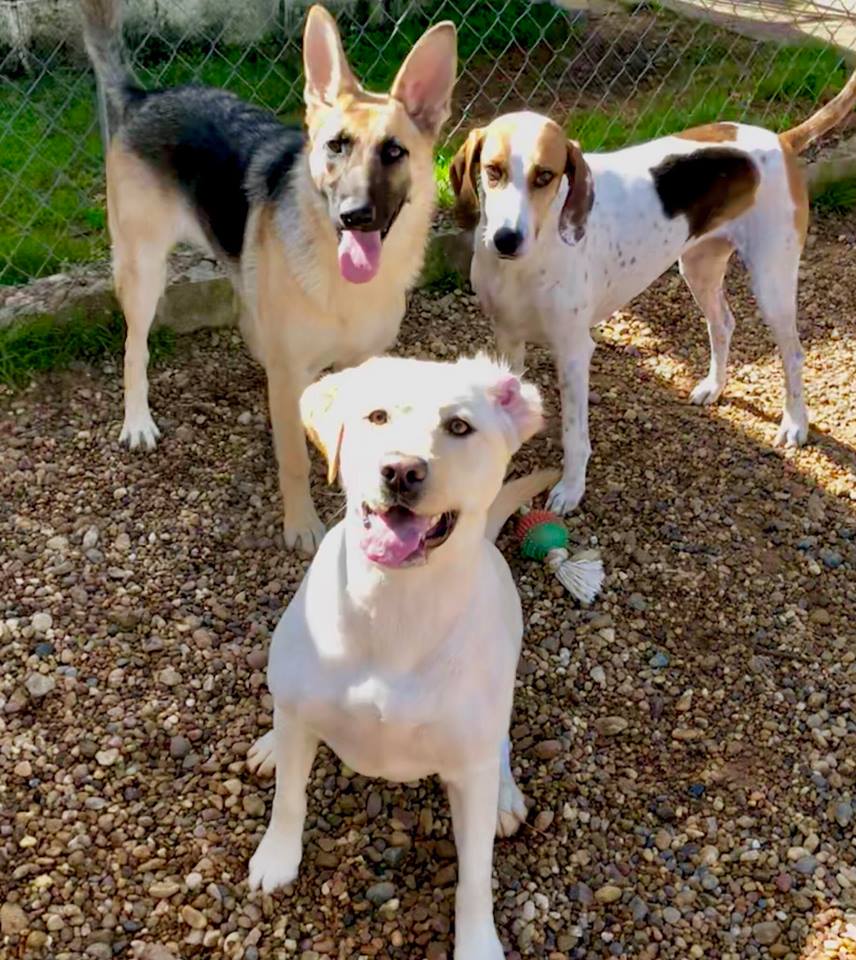
The Barkly Pet kennel retreat and spa provide professional services like boarding and grooming facility conveniently located in the Montgomery, Texas.
Our place offers the very best doggie daycare, dog Training, Pet Vaccination and Bathing services in the Montgomery County area.
Our goal is not only train listen to commands but also make your dog reliable in any environment.