





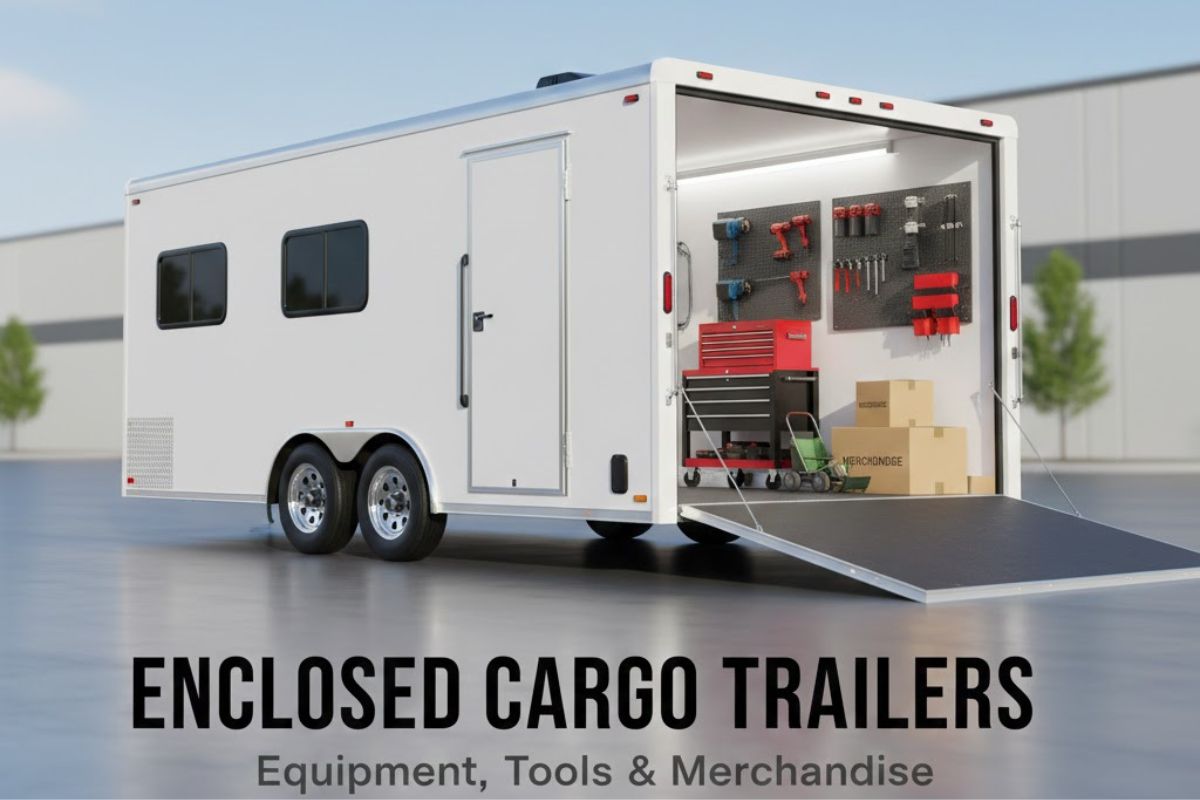
I didn’t think I’d ever have strong feelings about trailers. Honestly. Then I watched a buddy of mine try to haul three ladders, a table saw, and about twelve loose buckets of hardware in the back of an open pickup during a surprise rainstorm outside Dallas. Cardboard boxes turning to mush. Rust anxiety kicking in. That was the moment it clicked for me. Enclosed cargo trailers aren’t flashy, but they quietly save your sanity.
If you work with equipment, tools, or merchandise—really anything you don’t want flying off at 65 mph or getting soaked—an enclosed cargo trailer stops being a “nice to have” and turns into a lifeline. A rolling, lockable, weatherproof extension of your business. Or hobby. Or side hustle that accidentally became a real thing.
I’ve spent time around contractors, event vendors, mobile detailers, even a guy who sells vintage jackets at pop-up markets around Houston. Different worlds, same problem. Stuff needs to move. Safely. Predictably. Without drama.
That’s where enclosed cargo trailers earn their keep.
The quiet magic of having everything sealed up
An enclosed trailer doesn’t shout. It just works. You load it, lock it, and forget about it. No tarps. No bungee cords that snap back and hit your knuckles (why does that always happen?). No checking the weather app every ten minutes.
Rain. Dust. Sun. Curious hands in parking lots. Enclosed cargo trailers handle all of it. That’s the core appeal, and it sounds simple, but it’s huge.
If you’re hauling tools—power tools especially—humidity alone can do damage. Same with equipment that has moving parts or electronics. Merchandise? Even worse. Customers don’t love buying items that smell faintly like exhaust or look sun-faded before they even leave the booth.
An enclosed cargo trailer keeps things clean. Dry. Presentable. And maybe I’m projecting, but it also feels more professional pulling up with one. Like you’ve got your act together. Even if inside you’re still improvising half the time.
Tools and equipment: the obvious use, but there’s nuance
Contractors were probably the first group to really swear by enclosed cargo trailers. Landscapers, electricians, HVAC techs, remodelers. The list goes on.
What I notice is how customizable these trailers become. Shelving bolted to the walls. Ladder racks. Pegboards for hand tools. Floor mounts for generators or compressors. Over time, it turns into a mobile workshop. Not glamorous, but incredibly efficient.
A lot of folks I’ve talked to prefer an enclosed utility trailer over loading and unloading a truck bed every morning. Less bending. Less forgetting things. You just hook up and go.
And security matters. Locking steel doors beat a tailgate any day. Especially if you’re parking overnight on a job site in Phoenix or Atlanta where tool theft is… let’s say not rare.
Some go small. A 5x8 enclosed cargo trailer can handle a surprising amount if you organize it right. Others need more muscle. Tandem axle enclosed cargo trailers show up when heavier equipment is involved. Skid steers. Floor grinders. Large commercial mowers. At that point, you’re not guessing. You’re planning loads down to the pound.

Merchandise haulers live in a different reality
Selling products adds a different layer of stress. Presentation matters. Timing matters. And damage hits your bottom line fast.
I once helped a friend unload candles from an enclosed trailer before a weekend market in Austin. It was hot. Like, Texas-hot. But inside the trailer? Manageable. No warped packaging. No melted wax disasters. Just clean boxes stacked neatly.
That’s the thing with enclosed cargo trailers for merchandise. They’re not just transport. They’re storage between events. Sometimes for weeks. Sometimes longer than planned.
Pop-up vendors, food merch sellers (non-perishable stuff), clothing brands, artists hauling framed prints—everyone benefits from that sealed environment. Especially when weather forecasts lie. Which they do. A lot.
V-nose enclosed cargo trailers are popular in this crowd. Slightly better aerodynamics, a bit more room up front, and honestly they just feel easier to maneuver when you’re loading into tight vendor spaces in places like Los Angeles or San Diego.
Sizes, shapes, and the constant second-guessing
Choosing the right size enclosed cargo trailer is… tricky. People almost always underestimate. Or they overcorrect and end up towing something that feels like driving a small building.
I’ve heard “I wish I’d gone one size bigger” way more than “this is too big.” But there are trade-offs. Bigger means heavier. More wind resistance. More fuel. Sometimes more hassle in city driving.
Single axle enclosed cargo trailers are lighter, cheaper, and easier to tow with mid-size vehicles. Perfect for lighter tools or smaller merchandise loads.
Tandem axle models? They feel planted. Stable. Built for serious weight. They cost more, sure, but they also forgive mistakes. Blow a tire and you’re not instantly white-knuckling the steering wheel.
Height matters too. Interior height, especially. If you’ve ever crouched for an hour organizing gear, you already know why. Being able to stand upright inside your enclosed trailer is a luxury you don’t appreciate until you’ve worked without it.
Aluminum vs steel, and the debates that never end
This topic gets weirdly emotional among trailer owners.
Aluminum enclosed cargo trailers are lighter. They don’t rust. They tow easier. They usually cost more. Steel trailers feel solid, traditional, and often cheaper upfront. But rust is real. Especially in humid areas or places that see road salt.
I lean aluminum. Less maintenance stress. Less weight. But I get why some folks stick with steel. They’re tough. Familiar. Easier to repair in some cases.
There’s no perfect answer. Just trade-offs. Like most gear decisions.

Custom enclosed cargo trailers: worth it or overkill?
Customization sounds indulgent until you realize how much time you spend inside or around your trailer.
Interior lighting. Extra tie-downs. E-track systems. Side doors exactly where you need them. Roof vents. Even insulation if you’re hauling temperature-sensitive items.
Custom enclosed cargo trailers make sense when your workflow is dialed in. When you know exactly how you operate. When inefficiencies start to bug you more than the price tag.
For first-time buyers, though? Maybe start simpler. Use it for six months. Learn what annoys you. Then upgrade or modify.
I’ve seen too many people spec out the “perfect” trailer only to realize they never use half the features.
Location matters more than people admit
Where you’re buying and using your enclosed cargo trailer changes things.
In Texas, heat resistance and ventilation come up a lot. In Florida, corrosion resistance is a bigger deal. In northern states, snow load and road salt enter the conversation fast.
Searching for “enclosed cargo trailers near me” sounds lazy, but local dealers understand regional needs. They know what sells. What holds up. What comes back for repairs.
Cities like Dallas, Houston, Phoenix, Atlanta, and Los Angeles all have active markets for enclosed trailers because businesses there rely on mobile operations. That competition can work in your favor. Better options. Better pricing. Sometimes faster turnaround.
Pricing, reality checks, and sticker shock
Let’s talk money, briefly.
Enclosed cargo trailers for sale range wildly. A basic 5x8 might feel affordable. Then you add options. Then tax. Then hitch upgrades. Suddenly you’re doing mental gymnastics.
But here’s the thing. These trailers work every day. They protect thousands of dollars in tools or merchandise. They save time. They reduce stress. Over years, not months.
Cheap trailers can be fine. Sometimes. But I’ve watched bargain doors warp, seals fail, floors soften. Repairs cost time and money too.
There’s a middle ground. Solid build. Sensible features. No gimmicks.
The underrated benefit: mental space
This is going to sound soft, but hear me out.
When your gear is secure, dry, and organized, your brain relaxes. You’re not worrying about whether the drill got wet. Or if the merch box tipped over. Or if someone messed with your stuff overnight.
That mental space matters. Especially if you’re running a business. Or juggling too many things already.
An enclosed cargo trailer quietly removes friction from your day. You don’t notice it at first. Then one day you borrow an open trailer again and think, “Oh. Right. This is why I switched.”
Final thoughts, but not really final
Enclosed cargo trailers aren’t exciting. They don’t try to be. They’re practical, dependable, and a little boring in the best way.
Whether you’re hauling equipment to job sites, tools between projects, or merchandise to markets and events, they show up and do their job. Over and over. Through bad weather. Through long drives. Through rushed mornings.
If you’re on the fence, that’s normal. Everyone hesitates. It’s an investment. But once you’ve lived with one, it’s hard to imagine going back.
Anyway. That’s been my experience. Yours might look different. But chances are, if you’re reading this, you already know why enclosed cargo trailers keep coming up in your searches. And maybe that’s your answer right there.
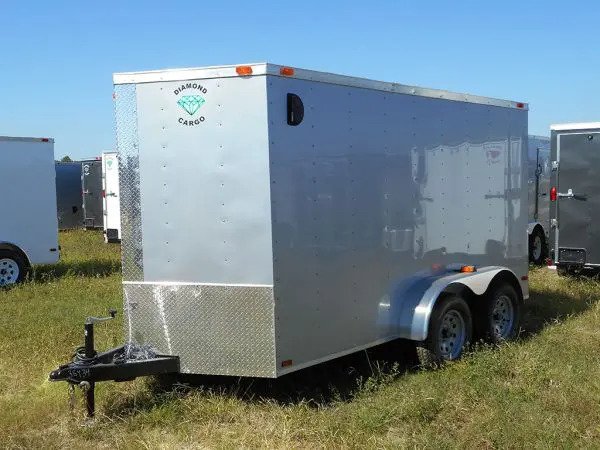
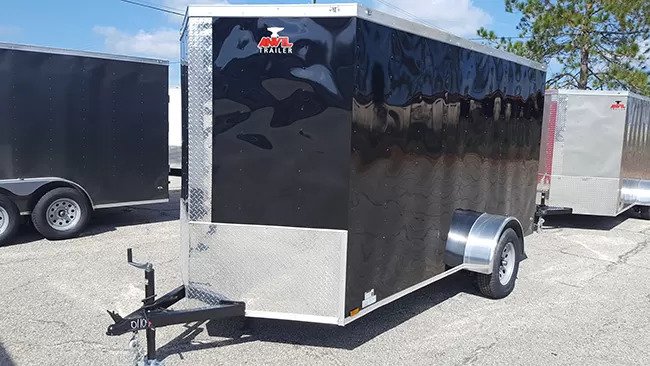
As it requires you to focus on various aspects, you need to go for nothing but the best.
Whether you wish to buy an enclosed trailer with living quarters or not, you need to look at the features, specifications, and other details before you move ahead.
When you have all the information you need, you can make an informed decision about buying the trailer that suits your needs.Here are some of the things you should consider when you wish to buy an enclosed trailers:1.
Generally, you have the option to choose from different types of trailers such as bumper stacker trailer, Gooseneck trailer, motorhome, toy trailers, and other similar trailers.
If you do not know how to select a trailer, you should ask a professional to help you reach the designated results.
Sure, you may look for a trailer that has living quarters, but you need to see if it has all the other amenities you need.