





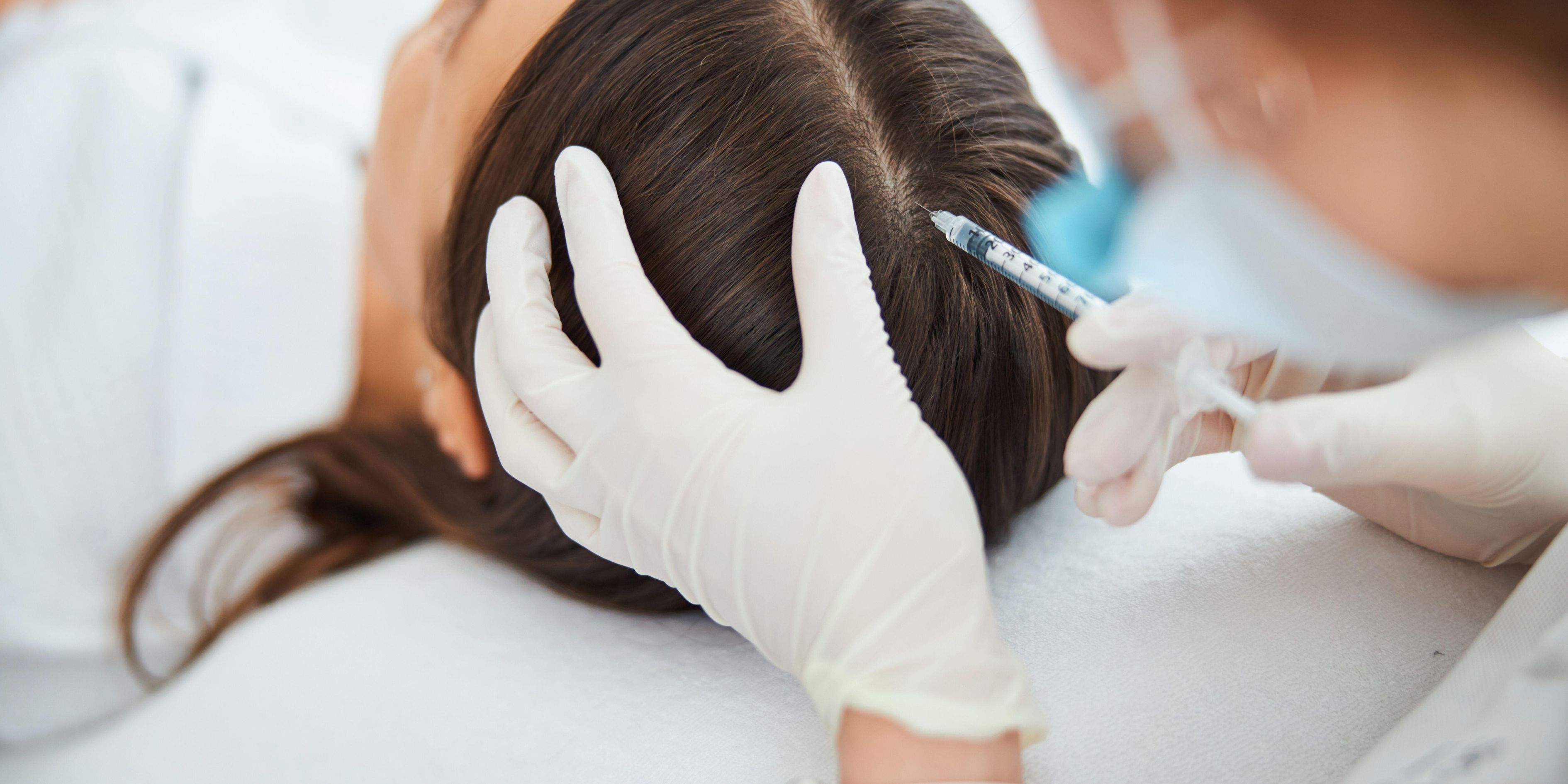
Hair loss is a growing concern for millions of men worldwide, particularly those experiencing male pattern baldness. As research into hair regrowth products has advanced, Finasteride has emerged as one of the most widely discussed and clinically supported options. Approved for treating androgenetic alopecia, Finasteride for hair loss is often recommended by dermatologists due to its ability to slow hair thinning and promote regrowth when used consistently. Understanding how it works, the correct dosage, expected results timeline, and potential side effects is essential before starting treatment.
How Finasteride Works for Hair Loss?
Finasteride targets one of the primary biological causes of male pattern hair loss: dihydrotestosterone, commonly known as DHT. DHT is a hormone derived from testosterone that causes hair follicles to shrink over time, leading to thinner hair and eventually permanent hair loss. Finasteride works by inhibiting the enzyme 5-alpha-reductase, which is responsible for converting testosterone into DHT.
By reducing DHT levels in the scalp, Finasteride for hair loss helps protect existing hair follicles from further damage. This allows weakened follicles to recover and produce thicker, healthier strands. Unlike topical hair regrowth products that work externally, Finasteride addresses hair loss at the hormonal level, making it a foundational treatment rather than a cosmetic fix.
Recommended Dosage and How to Take Finasteride
The standard dosage of Finasteride for hair loss is 1 mg per day, taken orally. This dosage has been extensively studied and is considered effective for most men dealing with androgenetic alopecia. Taking more than the recommended amount does not improve results and may increase the likelihood of side effects.
Consistency is critical when using Finasteride. The medication should be taken at the same time each day, with or without food. Skipping doses can reduce its effectiveness, as DHT levels may begin to rise again when the medication is not taken regularly. Finasteride is not a short-term solution; it is designed for ongoing use to maintain results.
It is also important to note that Finasteride for hair loss is typically prescribed only to men. Women, especially those who are pregnant or planning to conceive, should not use or handle Finasteride due to the risk of hormonal interference.
Results Timeline: What to Expect
One of the most common questions surrounding Finasteride is how long it takes to see visible results. Hair regrowth is a gradual process, and patience is essential. In the first three months, many users may not notice significant changes. Some individuals even experience mild shedding during this phase, which is generally temporary and indicates that weaker hairs are being replaced by stronger ones.
Between three and six months, early signs of improvement may become noticeable. Hair fall often slows down, and existing hair may begin to feel thicker and stronger. For some users, small areas of regrowth may appear, particularly around the crown.
The most significant results typically occur between six and twelve months of consistent use. During this period, hair density improves, and hair loss stabilizes. It is important to understand that Finasteride does not restore a completely receded hairline, but it is highly effective at preserving existing hair and improving overall scalp coverage.
If Finasteride is discontinued, any hair maintained or regrown during treatment is likely to be lost within several months. This reinforces the importance of long-term commitment when using Finasteride as part of a hair loss management plan.
Potential Side Effects and Safety Considerations
Like all medications, Finasteride may cause side effects, although the majority of users tolerate it well. The most commonly discussed side effects involve sexual health, including reduced libido, erectile dysfunction, or decreased semen volume. These effects occur in a small percentage of users and are often reversible upon discontinuation of the medication.
Some individuals report mild mood changes or breast tenderness, though these effects are rare. Extensive clinical studies indicate that Finasteride for hair loss is generally safe for long-term use when taken under medical supervision. Consulting a healthcare provider before starting Finasteride is recommended, particularly for individuals with existing medical conditions or those taking other medications.
Understanding the risk-benefit balance is essential. For many men, the psychological impact of hair loss is significant, and the benefits of treatment outweigh the potential risks. Open communication with a healthcare professional can help address concerns and ensure safe usage.
Combining Finasteride with Other Hair Regrowth Products
Finasteride is often most effective when used alongside other hair regrowth products. Many dermatologists recommend combining it with topical treatments such as minoxidil to address hair loss from multiple angles. While Finasteride for hair loss works internally to reduce DHT, topical products stimulate blood flow and prolong the hair growth cycle externally.
Lifestyle factors such as proper nutrition, stress management, and scalp care can further support treatment outcomes. While no single solution guarantees complete restoration, a comprehensive approach significantly improves the chances of maintaining healthy hair.
Conclusion
Finasteride remains one of the most reliable and scientifically supported treatments available for male pattern hair loss. With the correct dosage, realistic expectations about the results timeline, and awareness of potential side effects, it can play a crucial role in long-term hair preservation. When combined with complementary hair regrowth products and professional guidance, Finasteride offers a practical path toward thicker, healthier hair. For those seeking trusted solutions, brands like Hair Formulas continue to support effective and research-backed hair loss treatments.

Online prescription - Hair Center Kierach.
If you are running out of medications that you are currently taking against hair loss or baldness, have another prescription without leaving the house!
HairCenter Kierach Wrocław provides us Hair Loss Prescription Online for Best Hair Loss Treatment.Finasteride
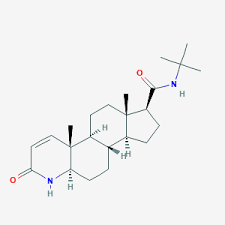
The World Finasteride Market Research Report 2022 (covering USA, Europe, China, Japan, India, South East Asia and etc), is an informative market report offered by DecisionDatabases.com.Finasteride market research report provides the newest industry data and industry future trends, allowing you to identify the products and end users driving Revenue growth and profitability.
The industry report lists the leading competitors and provides the insights strategic industry Analysis of the key factors influencing the market.The report includes the forecasts, Analysis and discussion of important industry trends, market size, market share estimates and profiles of the leading industry Players.Final Report will cover the impact of COVID-19 on this industry.Access Full Report with Table of Contents @ https://www.decisiondatabases.com/ip/21409-finasteride-market-analysis-reportThe Players mentioned in our reportMerckActavisTeva PharmaceuticalsCiplaRelonChemDr.
ReddyAccord PharmaceuticalsHenan TopfondZhejiang CONBA PharmaceuticalGlobal Finasteride Market: Product Segment Analysis1mg Tablet5mg TabletOther TypesGlobal Finasteride Market: Application Segment AnalysisBenign prostatic hyperplasiaMale pattern baldnessOthersGlobal Finasteride Market: Regional Segment AnalysisUSAEuropeJapanChinaIndiaDownload Free Sample Report of World Finasteride Market @ https://www.decisiondatabases.com/contact/download-sample-21409There are 10 Chapters to deeply display the World Finasteride marketChapter 1 About the Finasteride Industry Chapter 2 World Market Competition LandscapeChapter 3 World Finasteride Market shareChapter 4 Supply Chain AnalysisChapter 5 Company ProfilesChapter 6 Globalisation & TradeChapter 7 Distributors and CustomersChapter 8 Import, Export, Consumption and Consumption Value by Major CountriesChapter 9 World Finasteride Market Forecast through 2022Chapter 10 Key success factors and Market OverviewPurchase full World Finasteride Market Research Report @ https://www.decisiondatabases.com/contact/buy-now-21409Other Reports by DecisionDatabases.com:World Sodium Chloride Injection Market Research Report 2024 (Covering USA, Europe, China, Japan, India and etc)World Glimepiride Market Research Report 2022 (covering USA, Europe, China, Japan, India, South East Asia and etc)About-Us:DecisionDatabases.com is a global business research reports provider, enriching decision makers and strategists with qualitative statistics.
DecisionDatabases.com is proficient in providing syndicated research report, customized research reports, company profiles and industry databases across multiple domains.Our expert research analysts have been trained to map client’s research requirements to the correct research resource leading to a distinctive edge over its competitors.
We provide intellectual, precise and meaningful data at a lightning speed.For more details:DecisionDatabases.comE-Mail: sales@decisiondatabases.comPhone: +91 9028057900Web: https://www.decisiondatabases.com/