


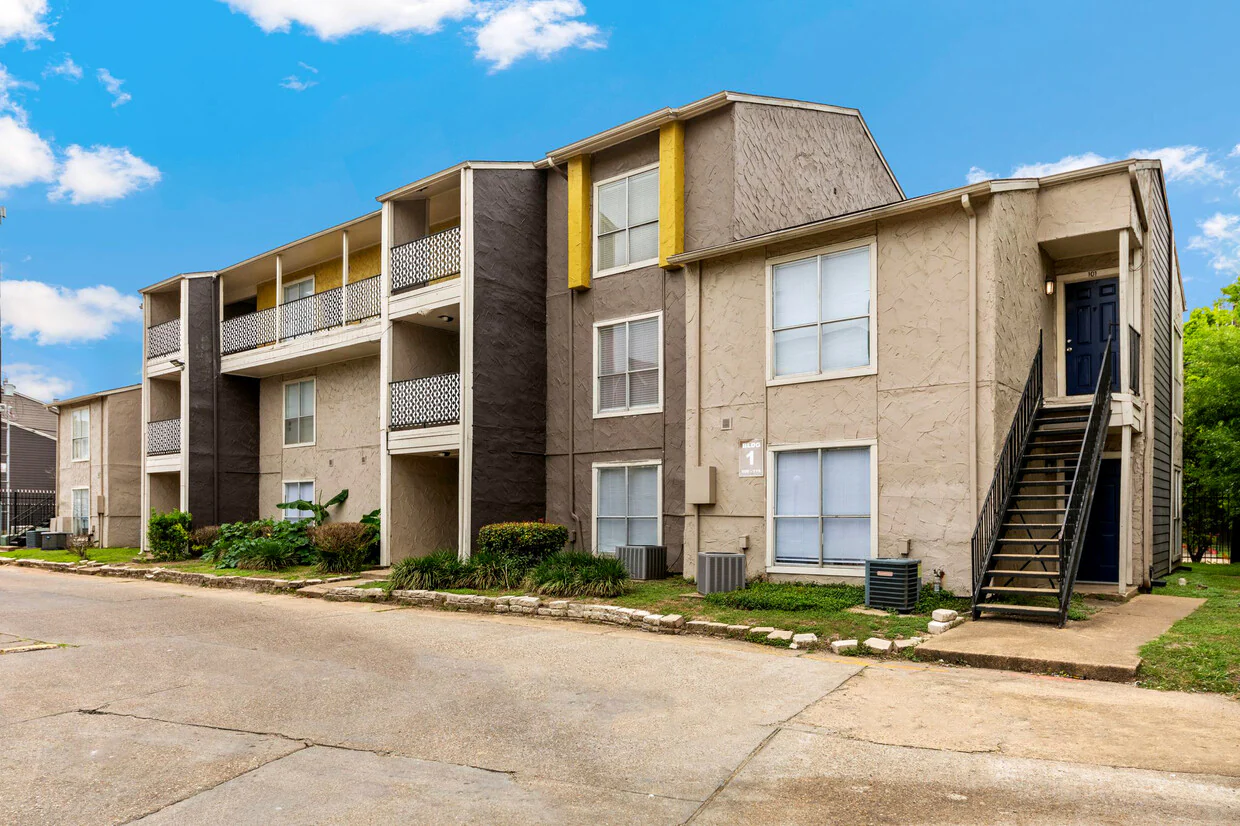
Finding the perfect apartment can be an exciting yet challenging experience, especially when space is at a premium. Many renters are drawn to apartments in bustling areas, convenient locations, or those offering modern amenities, only to discover that storage space is often limited. While large closets, pantries, and storage rooms can make apartment living more comfortable, not all apartments provide ample room to store belongings. Understanding how to manage and adapt to limited storage access can make the difference between a cramped, cluttered living environment and a well-organized, stress-free home. This article will explore practical strategies for maximizing space, organizing belongings efficiently, and making the most of an apartment with restricted storage options.
Assess Your Storage Needs Before Signing a Lease
Before committing to any apartment, it is crucial to evaluate your storage requirements. Consider the volume and type of items you own seasonal clothing, sports equipment, kitchen appliances, and personal belongings all require space. Take measurements of existing storage areas, such as closets and cabinets, and imagine how your items will fit. It is easy to underestimate the amount of storage you need until you start moving your belongings. Understanding your requirements beforehand allows you to plan effectively and prevents future frustration.
Another important consideration is the accessibility of storage. Some apartments may have storage rooms located on different floors or even outside the building, which can make frequent access inconvenient. Ask the leasing office detailed questions about storage availability, including restrictions, fees, or any limitations on size or weight. Being proactive ensures that you won’t be caught off guard after moving in.
Maximize Vertical Space
When floor space is limited, the key is to think vertically. Tall shelving units, wall-mounted racks, and hanging organizers can dramatically increase your usable storage without taking up much floor area. Bookshelves, for instance, can double as decorative displays and functional storage. In the kitchen, adding hooks or magnetic strips can hold utensils, pots, and pans, freeing up cabinet space for other essentials.
Closet organizers can also make a huge difference. Using multi-tier hangers, stackable bins, and under-shelf baskets allows you to store more items in a compact area. Even small adjustments, like installing a second rod in a closet for shorter garments, can increase capacity. With a little creativity, vertical storage solutions transform limited space into a highly functional area.
Furniture That Serves Double Duty
Investing in furniture with built-in storage is a practical solution for apartments with limited access to traditional storage spaces. Beds with drawers underneath, ottomans with concealed compartments, and coffee tables with hidden storage can help you store items that would otherwise clutter your living areas. Sofa beds or foldable furniture are especially useful in small apartments, as they allow you to maximize both living and storage space.
Multi-purpose furniture is not only practical but also visually appealing. Choosing items that blend storage with design ensures that your apartment remains stylish without feeling overcrowded. When selecting furniture, consider both dimensions and storage capacity to ensure it fits comfortably while meeting your organizational needs.
Seasonal Rotation and Minimalism
One of the most effective ways to cope with limited storage access is adopting a seasonal rotation system. By keeping only the items you currently need and storing off-season belongings elsewhere, you can significantly reduce clutter. For example, store winter coats, boots, and holiday decorations in vacuum-sealed bags or bins tucked away in storage lockers or under beds. When the season changes, swap items to keep your living space functional and organized.
Minimalism also plays a vital role in maximizing limited storage. Being selective about what you keep encourages more thoughtful purchases and discourages the accumulation of unnecessary items. Decluttering regularly ensures that your apartment stays tidy, reduces stress, and makes it easier to locate essential belongings when needed.
Creative Use of Nooks and Corners
Even apartments with limited storage often have overlooked nooks and corners that can be transformed into functional spaces. Corners near windows or behind doors can house small shelving units, baskets, or hooks for hanging items. Staircases or elevated platforms can also offer hidden storage opportunities, especially in loft-style apartments.
Using every inch of space creatively not only increases storage but also enhances the apartment’s functionality. Wall-mounted hooks, pegboards, and tension rods are simple solutions for making use of awkward areas without compromising living space. These small adjustments accumulate, providing meaningful storage capacity that can greatly improve apartment life.
Storage Alternatives Outside the Apartment
If internal storage is insufficient, consider external options such as storage units or lockers nearby. Many cities, including Waco, offer conveniently located storage facilities that range from small lockers to climate-controlled units. These spaces can accommodate seasonal items, bulky equipment, or sentimental belongings that you don’t need daily access to.
For those searching for an apartment for rent in Waco TX, it is helpful to inquire about nearby storage options in addition to the apartment’s internal features. Some complexes partner with local storage facilities, offering discounted rates or even reserved spaces for residents. Knowing your alternatives allows you to make an informed decision without compromising convenience or comfort.
Efficient Packing and Organization
Organizing belongings efficiently is critical when dealing with limited storage. Clear plastic bins, labeled containers, and stackable boxes help maintain order and make it easier to locate items when needed. Group similar items together and designate specific storage spots for each category.
Smarter packing techniques can also make a noticeable difference. Rolling clothing instead of folding, nesting kitchenware, and using vacuum-sealed bags for textiles can save valuable space. Taking the time to implement an organized system reduces frustration, minimizes clutter, and allows you to make the most of the storage space available.
Regular Maintenance and Review
Even with careful planning, storage areas can quickly become messy. Conducting regular reviews of your possessions helps prevent overcrowding and ensures that only necessary items remain in storage. Set aside time each season to reassess belongings, donate unused items, and reorganize storage spaces. Regular maintenance keeps your apartment functional, efficient, and pleasant to live in.
Conclusion
Living in an apartment with limited storage access may seem daunting, but with thoughtful planning and strategic organization, it can be manageable and even enjoyable. From maximizing vertical space and investing in multifunctional furniture to exploring external storage solutions and embracing minimalism, renters have numerous options to overcome storage limitations. By carefully assessing needs, creatively using available space, and maintaining a consistent organizational system, you can transform a small or storage-limited apartment into a comfortable and functional home.
Adapting to storage constraints is less about sacrificing convenience and more about cultivating a lifestyle that prioritizes efficiency, creativity, and mindful organization. With these strategies, you can enjoy apartment living while keeping clutter under control and making the most of every square foot.



IApartments is a free locating service in Dallas, TX and give you a free move.
we find apartments for rent in Dallas, Plano, Allen, McKinney, Addison, Las Colinas, Coppell, Richardson, Lewisville, Uptown Dallas, Downtown Dallas, Frisco, Deep Ellum, Irving.