


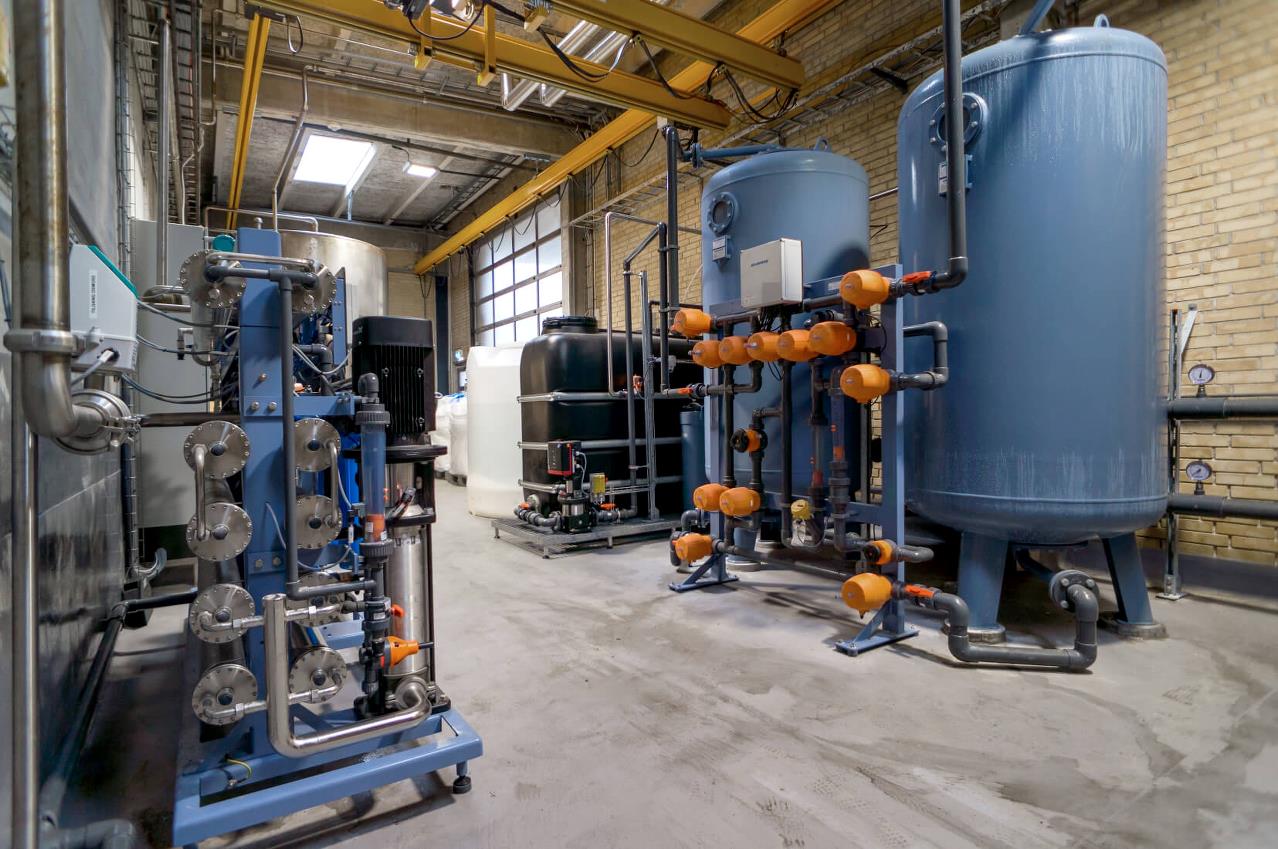
Energy efficiency, system reliability, and sustainability are no longer optional they are essential. As buildings become more complex and energy costs rise, understanding what happens inside heating and cooling systems has never been more important. This is where closed system analysis plays a critical role.
Closed systems are designed to circulate water repeatedly, but without proper monitoring, they can silently degrade. Closed system analysis provides the insight needed to maintain performance, prevent failures, and protect long-term investments. For facility managers, engineers, and property owners, it has become a smart, modern solution for proactive system care.
What Is Closed System Analysis?
Closed system analysis is the process of testing and evaluating water quality within sealed heating and cooling systems. These systems typically include boilers, chillers, radiators, and HVAC pipework where water is continuously recirculated.
The analysis focuses on identifying:
- Corrosion activity
- Sludge and particulate contamination
- pH imbalance
- Glycol condition
- Microbial growth
Unlike open systems, closed loop systems rely heavily on chemistry control. This makes water treatment for closed loop systems essential to ensure reliability, efficiency, and compliance.
Closed system analysis is suitable for:
- Commercial buildings
- Industrial facilities
- Residential heating systems
- Data centers and hospitals
How Does Closed System Analysis Work?
Step-by-Step Process
- Water Sampling
Samples are taken from strategic points in the system to ensure accuracy.
- Laboratory Testing
Tests evaluate corrosion metals, pH, conductivity, inhibitor levels, and contamination.
- Glycol Testing
Glycol testing checks freeze protection, degradation, and inhibitor strength in systems using antifreeze.
- Performance Assessment
Results are reviewed to identify risks and inefficiencies.
- Treatment Recommendations
Corrective actions may include closed system water treatment, filtration, or chemical dosing.
Practical Use Case
During HVAC commissioning, closed system analysis ensures water quality is correct before full operation begins, reducing early system failures.
Key Features and Benefits of Closed System Analysis
- Improves Energy Efficiency
Clean systems transfer heat more effectively, reducing energy waste.
- Extends Equipment Lifespan
Prevents corrosion damage to boilers, pumps, and heat exchangers.
- Reduces Maintenance Costs
Early detection avoids expensive breakdowns and emergency repairs.
- Supports Sustainable Operation
Optimized water chemistry lowers energy use and emissions.
- Enhances System Reliability
Prevents sludge buildup and circulation blockages.
- Supports HVAC Balancing
Clean, balanced systems ensure accurate flow rates and consistent temperatures.
Advantages Over Traditional Maintenance Methods
Traditional maintenance often focuses on visible issues. Closed system analysis identifies hidden problems before they escalate.
- Compared to Reactive Maintenance
- Detects issues early
- Prevents unplanned downtime
- Reduces repair frequency
- Compared to Manual Flushing
- Targets specific problems
- Preserves system integrity
- Avoids unnecessary water waste
It also complements services such as boiler descaling, ensuring heat transfer surfaces remain efficient and clean.
Installation and Setup: When Is Analysis Performed?
- Closed system analysis is typically carried out during:
- New system installation
- HVAC commissioning
- Post-repair checks
- Annual maintenance programs
- Professional vs DIY
While sampling may seem simple, interpretation requires expertise. Professional analysis ensures correct treatment decisions, including whether installing water filtration system solutions are required.
The Role of Closed System Water Treatment
Testing alone is not enough. Closed system water treatment acts on the findings of analysis to restore and protect system health.
Treatment may include:
- Corrosion inhibitors
- Biocides
- Oxygen scavengers
- Filtration solutions
These treatments are essential components of effective water treatment for closed loop systems.
Related Water Hygiene Services That Support System Health
- Water Tank Cleaning and Disinfection
Poor tank hygiene can introduce contaminants into closed systems. Water tank cleaning and disinfection removes sediment, biofilm, and bacteria.
- Water Tank Treatment and Purification
Ongoing water tank treatment and water tank purification ensure water quality remains stable before entering closed loops.
- Water Disinfection and Domestic Water Treatment
Although closed systems are separate, effective Water disinfection and domestic water treatment reduce cross-contamination risks in shared infrastructure.
Tips to Maximize Closed System Performance
- Perform closed system analysis annually
- Schedule boiler descaling when scale indicators rise
- Monitor inhibitor levels consistently
- Combine testing with filtration upgrades
- Reassess water chemistry after system modifications
These steps help maintain peak efficiency and reduce operational risks.
Common Mistakes to Avoid
- Skipping Analysis After Installation
Without testing, construction debris can remain trapped inside the system.
Correction: Always perform analysis during commissioning.
- Ignoring Glycol Degradation
Degraded glycol loses protection and increases corrosion risk.
Correction: Schedule regular glycol testing.
- Overlooking Filtration Needs
Dirty systems circulate contaminants continuously.
Correction: Consider installing water filtration system solutions.
FAQs About Closed System Analysis
Ques: What does closed system analysis test for?
It tests corrosion, pH balance, glycol condition, sludge, and chemical protection levels.
Ques: Can closed system analysis improve energy efficiency?
Yes. Clean systems transfer heat more effectively and consume less energy.
Ques: Is closed system analysis required during HVAC commissioning?
It is highly recommended to prevent early system failures.
Ques: How often should closed system analysis be performed?
At least once a year, or after major repairs or system changes.
Ques: Does it replace water treatment?
No. Analysis guides closed system water treatment decisions.
Ques: Is it relevant for residential systems?
Yes, especially for modern boilers and underfloor heating systems.
Why Closed System Analysis Matters More Than Ever
Closed system analysis is no longer just a maintenance task—it is a strategic tool for efficiency, safety, and sustainability. By identifying problems early, guiding targeted treatments, and supporting long-term system health, it protects both equipment and budgets.
Whether combined with HVAC balancing, boiler descaling, or comprehensive water hygiene programs, closed system analysis delivers measurable value. Investing in it today ensures reliable performance, lower energy costs, and confidence in your system for years to come.

What Is PMP, And Why Is It Important?The Project Management Institute offers the PMP (Project Management Professional) affirmation to assist experts with progressing in their task the board vocations.
The PMP course shows applicants how to execute the basics and different strategies of task the board.
The article examines the numerous manners by which having a PMP certificate can further develop one's vocation choices.What Is The PMP Certification?The PMP accreditation is presented to assist with projecting chiefs and their colleagues upskill themselves in their field and utilize their insight to work on their tasks' effectiveness.
The essential objective of task chiefs is to guarantee the group makes ideal conveyances and keeps a top notch of the end result.The PMP affirmation gives project directors and students the various instruments, procedures, and philosophies that can be carried out to accomplish the result referenced above with their tasks.
Working experts need to meet specific rules of essentials to be qualified for the accreditation.Rules For Eligibility For PMP CertificationThe main piece of being qualified for the PMP accreditation is to have experience working with and overseeing projects.
The primary requirements to be qualified for a PMP accreditation are:A four-year college degree.


Personal development enables you to have a personal vision of the future and if you want to know what is personal development and why is it so important?
Then Mastery Mind is the best website for you.
We understanding ourselves and pushing ourselves to reach our highest potential.