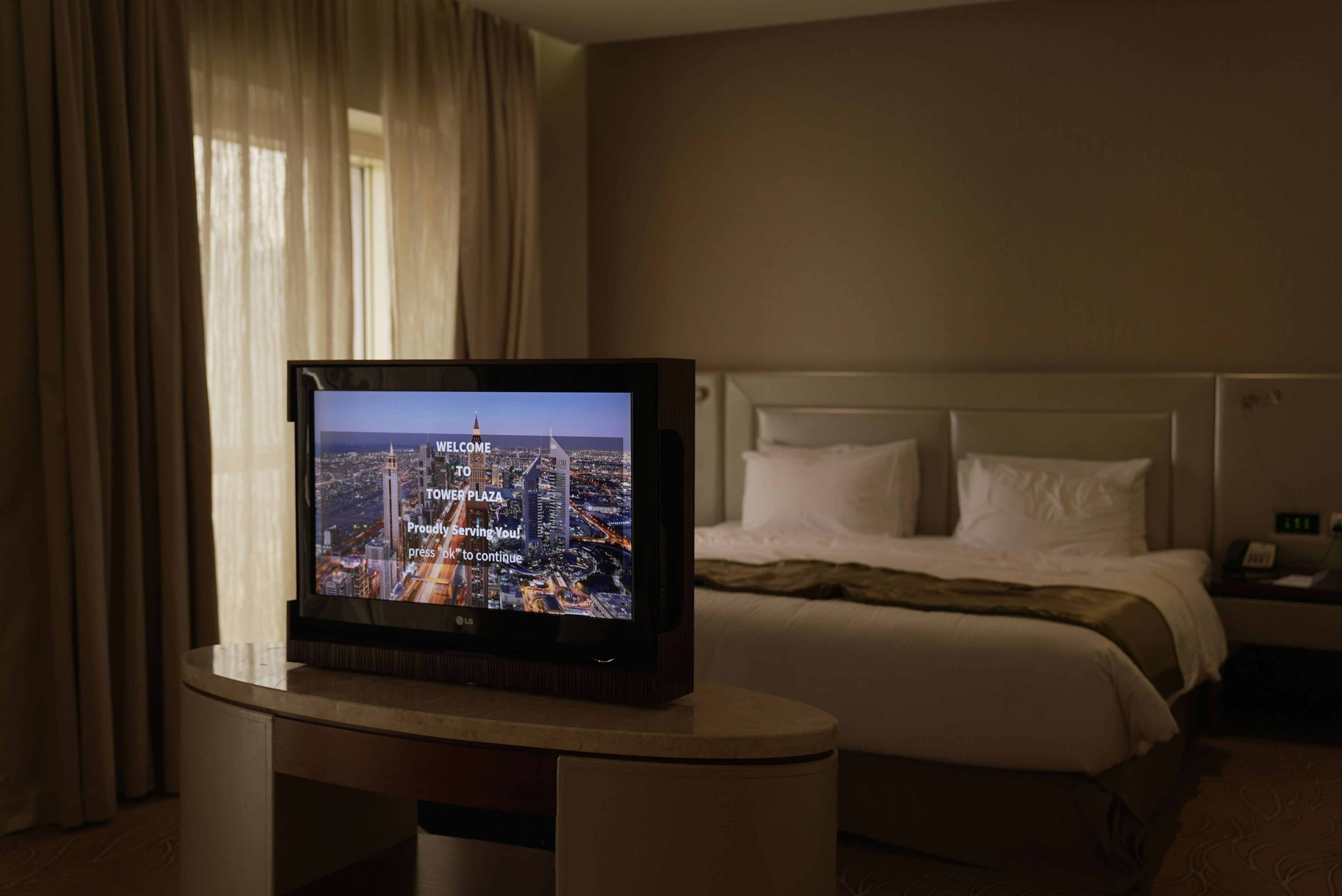
The hotel lobby used to be a bustling space where weary travellers waited in line to check in, fumbling with confirmation emails and identification documents while an exhausted desk clerk typed away at a computer. Today, that same lobby might be nearly empty, with guests breezing through automated check-in kiosks or heading straight to their rooms after completing the entire process on their phones. Whether you are booking normal rooms in Colombo or a luxury suite in Manhattan, technology has fundamentally transformed every touchpoint of the hospitality experience.
This transformation extends far beyond convenience. Technology is reshaping what it means to be a guest, what it means to provide service, and even what we expect from our accommodations. The changes are happening at such a rapid pace that a hotel built just five years ago might already feel outdated compared to newer properties that have integrated the latest innovations from the ground up.
The Arrival Experience Reimagined
Remember the anxiety of arriving at a hotel after a long flight, wondering if your reservation would be found in the system? That stress is becoming a relic of the past. Many hotel chains now offer mobile check-in that allows guests to select their specific room, choose their arrival time, and even unlock their door using their smartphone. The physical room key is being replaced by digital credentials that live in your phone's wallet, right next to your boarding pass and credit cards.
This shift is not just about eliminating a stop at the front desk. It is about giving guests control over their experience from the moment they book. When searching for hotels in Fort Colombo or any destination worldwide, travellers can now view actual room photos, virtual tours, and real-time availability. They can customise their stay before they even pack their bags, requesting extra pillows, arranging airport transfers, or booking spa appointments all through an app.
The front desk has not disappeared entirely, but its role has evolved. Instead of processing transactions, staff members are now free to provide genuine hospitality, offering local recommendations, solving problems, and creating memorable moments. Technology handles the routine, freeing humans to do what they do best: connect with other humans.
The Room Itself Becomes Smart
Step into a modern hotel room, and you might not immediately notice the technology woven into the environment. Voice assistants respond to requests for extra towels or restaurant recommendations. Smart thermostats learn your temperature preferences and adjust automatically. Curtains open with a voice command or close on a timer so you are never jolted awake by harsh morning light.
These innovations go beyond novelty features. They represent a fundamental shift in how rooms respond to individual needs. A family traveling with young children can set the room to a comfortable sleeping temperature and dim the lights on a schedule. A business traveller can connect their laptop to the television seamlessly for a presentation review. Someone with mobility challenges can control lighting, temperature, and curtains without getting up.
The bathroom has seen particularly interesting developments. Smart mirrors can display the weather forecast, your schedule for the day, or even your flight status while you brush your teeth. Showers remember your preferred temperature and pressure. Some hotels are experimenting with chromotherapy lighting that adjusts throughout the day to support your natural circadian rhythm, helping reduce jet lag.
What makes these features truly valuable is their invisibility. The best technology does not announce itself; it simply makes your environment more responsive and comfortable. You shouldn't need to read a manual to figure out how to turn on the lights.
Personalisation at Scale
Hotels have always tried to remember guest preferences, but technology has taken this to an entirely new level. Modern property management systems can track everything from your pillow preference to your favourite newspaper to the fact that you always request a room away from the elevator. When you return to a hotel, even months or years later, these preferences can automatically populate, making each stay feel tailored to you.
This data-driven personalisation extends to communications as well. Instead of generic marketing emails about Colombo hotel offers, you might receive targeted suggestions based on your previous bookings and expressed interests. If you always book spa treatments, the hotel might notify you of a new massage therapist or special promotion. If you are a frequent business traveller, they might offer early check-in or late checkout options automatically.
Privacy concerns naturally arise with this level of data collection, and responsible hotels are transparent about what information they gather and how it is used. Guests typically have control over their data and can opt out of tracking while still enjoying the basic amenities. The goal is not surveillance but service: using information to anticipate needs and eliminate friction.
Dining and Entertainment Revolutionised
Restaurant reservations used to mean calling the concierge or walking down to the hostess stand. Now, guests can browse menus, make reservations, and even order room service through their phone or in-room tablet. Many hotels have integrated QR code menus that not only display dishes but also provide detailed information about ingredients, preparation methods, and even wine pairings.
Room service has been completely reimagined. Rather than a limited menu available during restricted hours, some hotels now offer access to their full restaurant menus throughout the day. Order from your phone, and you will receive updates tracking your meal's progress like you would a delivery app. Some properties have even introduced robot delivery systems for basic items, though human servers still handle the more complex orders.
Entertainment options have expanded exponentially. Smart TVs in hotel rooms in Colombo and beyond now offer streaming services like Netflix, Disney+, and Spotify, allowing guests to access their own accounts and continue watching their favourite shows. Gaming consoles are available on request at many properties. Virtual reality headsets are being tested at some high-end hotels, offering immersive experiences ranging from guided meditation to virtual tours of local attractions.
The Wellness Revolution
Technology is playing a fascinating role in hotel wellness offerings. Fitness centres now feature equipment that syncs with your fitness tracker, allowing you to continue your normal workout routine even while traveling. Some hotels offer in-room fitness options with on-demand workout videos and equipment delivery, perfect for guests who prefer exercising in private.
Sleep technology has become a major focus. Smart mattresses adjust firmness throughout the night based on your position and movement. Sound machines offer customisable white noise, nature sounds, or binaural beats designed to promote deeper sleep. Apps connected to in-room systems can wake you during the optimal point in your sleep cycle, reducing that groggy morning feeling.
Mental wellness is being addressed through technology as well. Many hotels now offer complimentary access to meditation apps, in-room aromatherapy systems, and even AI-powered wellness concierges that can suggest activities, breathing exercises, or mindfulness practices based on your stress levels and schedule.
Sustainability Through Innovation
One of the most important ways technology is changing hotels is through sustainability efforts. Smart building systems optimise energy usage by adjusting heating, cooling, and lighting based on occupancy. Water consumption is monitored and reduced through smart fixtures. Some hotels use AI to predict demand and reduce food waste in their restaurants.
Guests are increasingly empowered to make sustainable choices through technology. Apps might show the environmental impact of daily housekeeping versus every-other-day service. Digital keys eliminate plastic key cards. In-room tablets provide information about the hotel's sustainability initiatives and allow guests to opt out of certain services they do not need.
These systems benefit both the environment and the hotel's bottom line, creating a win-win situation that encourages more properties to invest in green technology. The data collected helps hotels understand which sustainability measures guests actually care about and which have the greatest impact.
The Human Element Remains Essential
Despite all these technological advances, perhaps the most important lesson the hospitality industry has learned is that technology should enhance, not replace, human connection. The hotels that succeed are those that use technology to free their staff from routine tasks, allowing them to focus on creating genuine moments of hospitality.
A well-implemented technology strategy means staff members can greet guests by name, know their preferences without asking, and spend time having real conversations rather than processing paperwork. When a guest has a problem, it can be resolved quickly because staff have instant access to relevant information and the authority to make decisions.
The future of hospitality is not about replacing people with machines. It is about using machines to help people be more human. Technology handles the predictable and the routine, while skilled hospitality professionals handle the nuanced, the unexpected, and the deeply personal.
Looking Ahead
As we look toward the future, emerging technologies promise even more dramatic changes. Artificial intelligence is becoming sophisticated enough to provide truly personalised concierge services, answering complex questions and making reservations with natural language processing. Augmented reality might soon allow guests to visualise how a conference room would look set up for their specific event or see what a meal will look like before ordering it.
Biometric technology could eliminate the need for any physical credentials at all, allowing facial recognition or fingerprint scans to access rooms and charge purchases. Blockchain technology might enable more secure, transparent loyalty programs where points and rewards are truly portable across different hotel brands.
Whatever specific technologies emerge, the trajectory is clear: hotels will continue becoming more responsive, more personalised, and more seamlessly integrated with the digital tools we use in our daily lives. The check-in desk may disappear, but the warm welcome will not. The room key may become purely digital, but the comfort of a well-appointed room will remain.
Technology is changing everything about the hotel experience, yet somehow, the fundamental promise of hospitality stays the same: a clean, comfortable place to rest and the feeling that someone cares about your comfort and wellbeing. The tools we use to deliver on that promise are evolving rapidly, but the promise itself is timeless. And that, perhaps, is the most reassuring thing about this technological revolution in hospitality.