


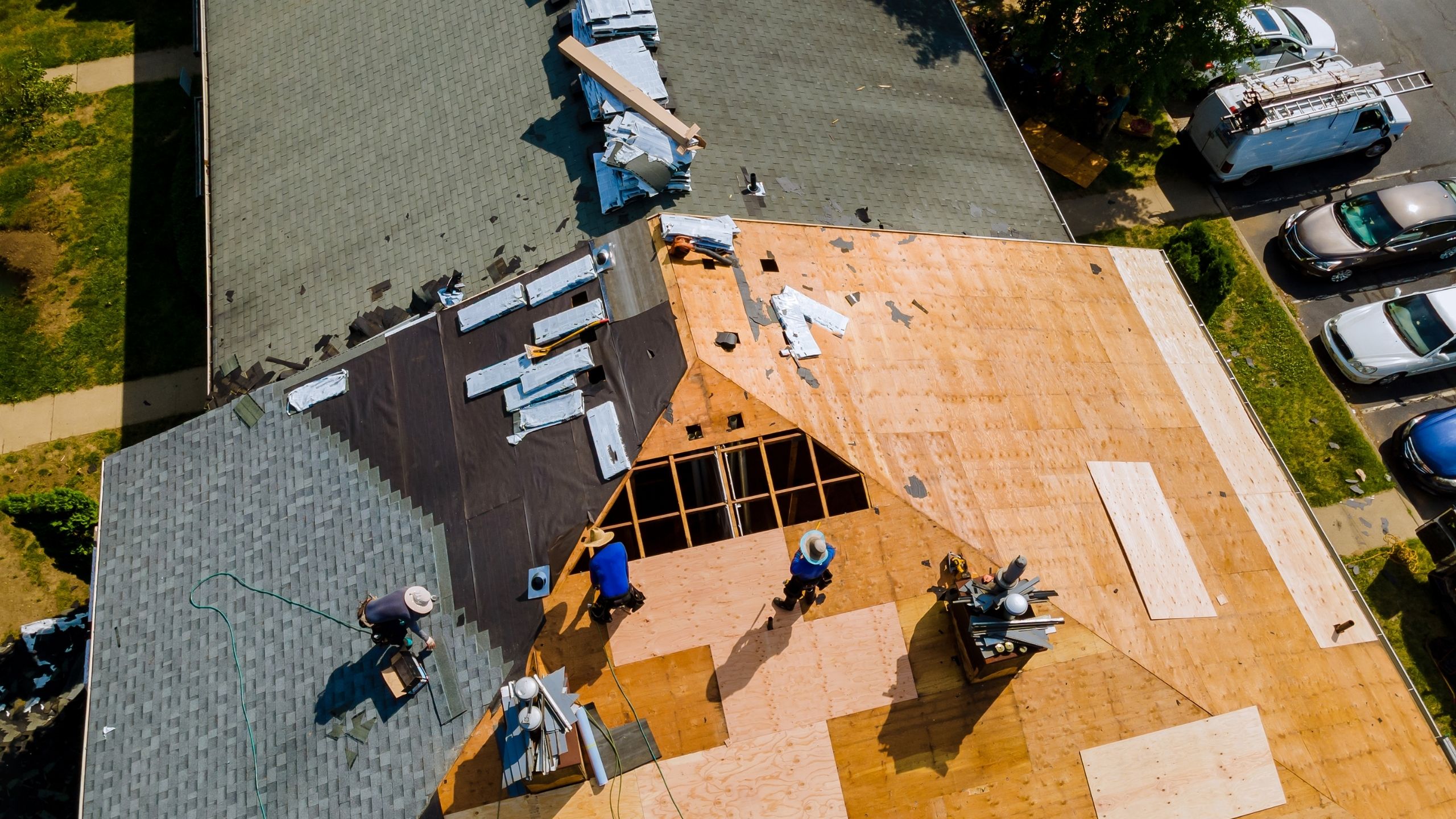
Choosing the right materials for a roof replacement is one of the most important decisions a homeowner can make. Many homeowners ask, “What are the best materials for roof replacement?” The right material affects durability, aesthetics, energy efficiency, and overall cost. Understanding your options helps you make a well-informed decision that protects your home for years to come.
1. Asphalt Shingles
Asphalt shingles are the most common roofing material in the United States due to their affordability and versatility.
Pros:
- Low cost
- Easy to install
- Wide range of colors and styles
Cons:
- Moderate lifespan (20–25 years)
- May not be ideal for extreme weather
Best For:
- Homeowners looking for a budget-friendly, reliable solution with good aesthetics.
- Asphalt shingles are lightweight and compatible with most roof structures, making them a convenient and practical choice.
2. Metal Roofing
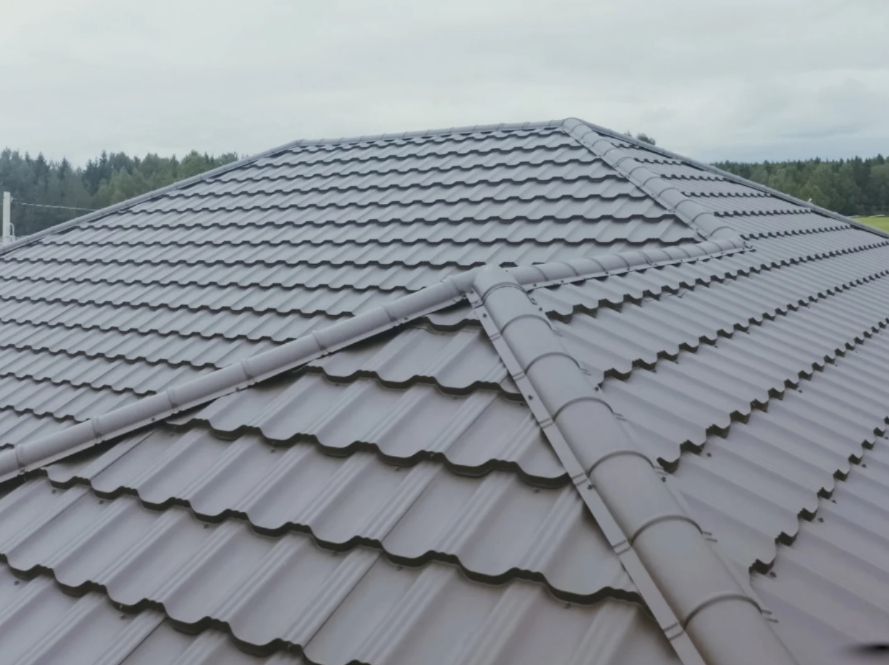
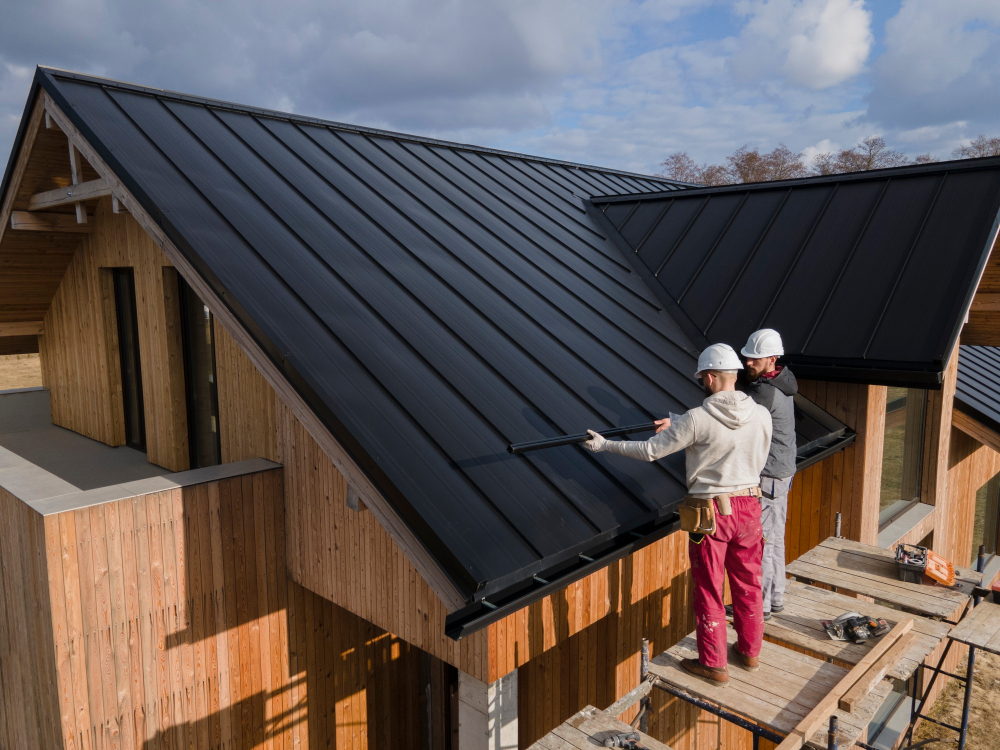
Metal roofing has grown in popularity thanks to its durability and energy efficiency.
Pros:
- Extremely long-lasting (40–70 years)
- Resistant to fire, wind, and hail
- Energy-efficient due to reflective properties
Cons:
- Higher upfront cost
- Can be noisy during heavy rain if not properly insulated
Best For:
- Homeowners seeking a low-maintenance, eco-friendly option with superior protection.
- Metal roofing comes in panels or shingles and is available in various colors and finishes to match your home’s style.
3. Tile or Slate Roofing
Tile and slate are premium roofing materials known for their longevity and classic appearance.
Pros:
- Very durable (50–100 years)
- Resistant to fire, rot, and pests
- Aesthetically appealing
Cons:
- Heavy and may require additional structural support
- Higher cost
Best For:
- Historic or luxury homes, or homeowners seeking an elegant, long-lasting option.
- Both materials offer unmatched longevity, but installation requires experienced professionals and careful planning.
4. Synthetic Roofing Materials
Synthetic roofing materials, such as rubber or polymer-based products, offer a cost-effective alternative to natural materials.
Pros:
- Lightweight and durable
- Available in styles that mimic slate or tile
- Lower cost than natural options
Cons:
- Less proven long-term performance
- May not add as much curb appeal as natural materials
Best For:
- Homeowners seeking a balance between appearance, durability, and cost.
- Synthetic materials are engineered for strength and weather resistance, making them suitable for various climates.
5. Factors to Consider When Choosing Materials
When selecting materials for a roof replacement, consider the following:
- Climate: Metal roofs perform well in snowy or rainy regions, while tile is ideal for hot climates.
- Budget: Factor in material, installation, and long-term maintenance costs.
- Lifespan: Consider how long you plan to stay in your home and the durability of the material.
- Aesthetics: Ensure your roof complements the style of your home and neighborhood.
- Maintenance: Some materials require more upkeep than others, affecting long-term cost and effort.
Choosing the right combination of durability, style, and cost ensures your roof provides protection and enhances your home’s value.
Conclusion
Selecting the best materials for a roof replacement depends on your priorities, budget, and climate:
- Asphalt shingles: Affordable and versatile
- Metal: Durable and energy-efficient
- Tile or slate: Long-lasting and elegant
- Synthetic options: Balance of style, durability, and cost
Consulting a licensed roofing contractor ensures proper installation and helps you choose materials for long-lasting results.
A well-chosen roofing material not only protects your home but also improves curb appeal, reduces energy costs, and increases property value for years to come.

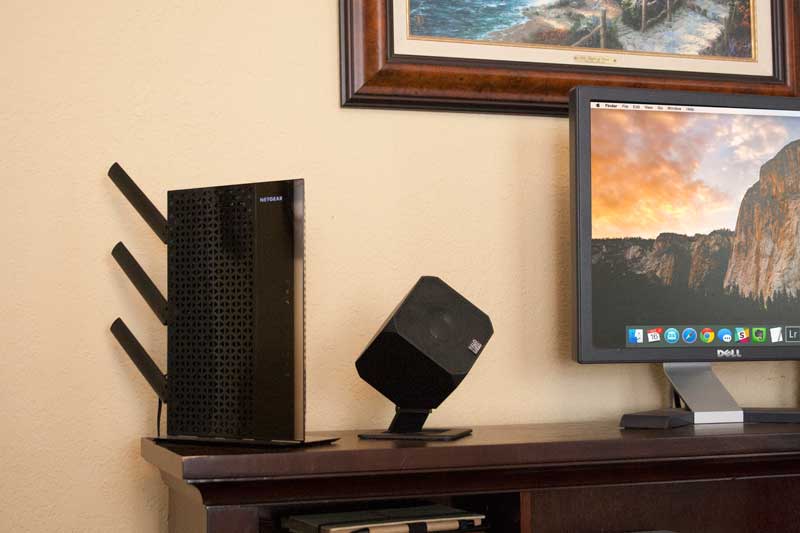
Are you want to easily log in to Mywifiext and find what are the steps for Mywifiext.net Login?
Then My WiFi Extender is the right choice for you, who offer you 24/7 online support in order to log in and install a WiFi range extender online.