


Skin tags are small, benign growths that appear on the skin, often in areas where the skin folds, such as the neck, armpits, or groin. While they are generally harmless, many people wonder: Are Skin Tags Contagious? Understanding the nature of skin tags, their causes, and the risks of transmission is important for both personal care and social interactions. In this article, we will explore everything you need to know about skin tags, their safety, and how to manage them effectively.
What Are Skin Tags?
Skin tags, medically known as acrochordons, are soft, small, flesh-colored growths that hang off the skin. They typically appear in areas where skin rubs against skin or clothing. Though they are often harmless and painless, they can cause discomfort if irritated by jewelry or tight clothing.
These growths are extremely common among adults, especially those who are overweight or have diabetes. Despite their appearance, skin tags are not malignant and usually do not require medical treatment unless they cause discomfort or aesthetic concerns.
Causes of Skin Tags
The exact cause of skin tags is not fully understood, but several factors can contribute to their development:
Friction: Skin rubbing against skin or clothing is a major factor.
Hormonal changes: Pregnancy and other hormonal fluctuations can increase the likelihood of skin tags.
Genetics: A family history of skin tags can make someone more prone to developing them.
Insulin resistance: People with conditions like diabetes may have a higher risk.
Although they are influenced by various internal and external factors, it’s crucial to remember that skin tags are not caused by infections, which is why the question, Are Skin Tags Contagious, often arises.
Are Skin Tags Contagious?
One of the most common concerns is whether skin tags can spread through contact with another person. The answer is reassuring: skin tags are not contagious. They are not caused by viruses, bacteria, or fungi, which means you cannot “catch” a skin tag from someone else.
Unlike warts, which are caused by the human papillomavirus (HPV) and can spread through direct skin contact, skin tags develop due to friction, genetics, or metabolic factors. Therefore, casual contact, hugging, or sharing towels will not result in the formation of skin tags on your body.
How Skin Tags Differ From Other Skin Growths
It’s important to distinguish skin tags from other skin conditions to avoid confusion. Common conditions often mistaken for skin tags include:
Warts: Caused by a virus and can be contagious.
Moles: Usually pigmented and non-contagious.
Seborrheic keratosis: Benign growths that appear waxy or scaly.
Recognizing these differences can help address concerns about the spread of skin growths and guide proper care. This knowledge also contributes to overall Health and wellness, as it ensures that minor skin changes are monitored appropriately without unnecessary worry.
Symptoms and When to See a Doctor
Skin tags usually do not cause symptoms, but there are situations where medical attention is advised:
Rapid growth in size or number
Bleeding, pain, or changes in color
Discomfort due to rubbing against clothing or jewelry
A dermatologist can evaluate these growths to confirm the diagnosis and discuss removal options if necessary. Early consultation is especially important for those with a family history of skin cancer or other skin disorders.
Treatment Options for Skin Tags
While many skin tags do not require treatment, some people choose removal for cosmetic reasons or irritation relief. Common treatments include:
Cryotherapy: Freezing the skin tag off using liquid nitrogen.
Excision: Cutting the skin tag with sterile scissors or a scalpel.
Ligation: Tying off the base of the skin tag to cut off blood flow, causing it to fall off.
Over-the-counter solutions: Topical products designed to remove small skin tags.
It is recommended that removal is performed by a medical professional to prevent infection and scarring. Home remedies should be approached with caution and under proper guidance.
Preventing Skin Tags
Although not all skin tags can be prevented due to genetic and hormonal factors, some measures can reduce their likelihood:
Maintain a healthy weight to reduce friction.
Avoid tight clothing that causes excessive rubbing.
Monitor skin changes regularly and consult a dermatologist for unusual growths.
Good skin care practices and healthy lifestyle choices can contribute to overall health and wellness, reducing the risk of skin irritations and promoting skin health.
Conclusion: Understanding Safety Around Skin Tags
To summarize, the question Are Skin Tags Contagious has a clear answer: no, they are not infectious and cannot be transmitted through touch or personal contact. Understanding the causes, recognizing the difference from other skin conditions, and knowing when to seek medical advice can help you manage skin tags safely and confidently.
With proper care and awareness, skin tags should not pose any threat to your health or social interactions. Prioritizing Health and wellness ensures that you can maintain healthy skin while reducing anxiety over harmless growths.
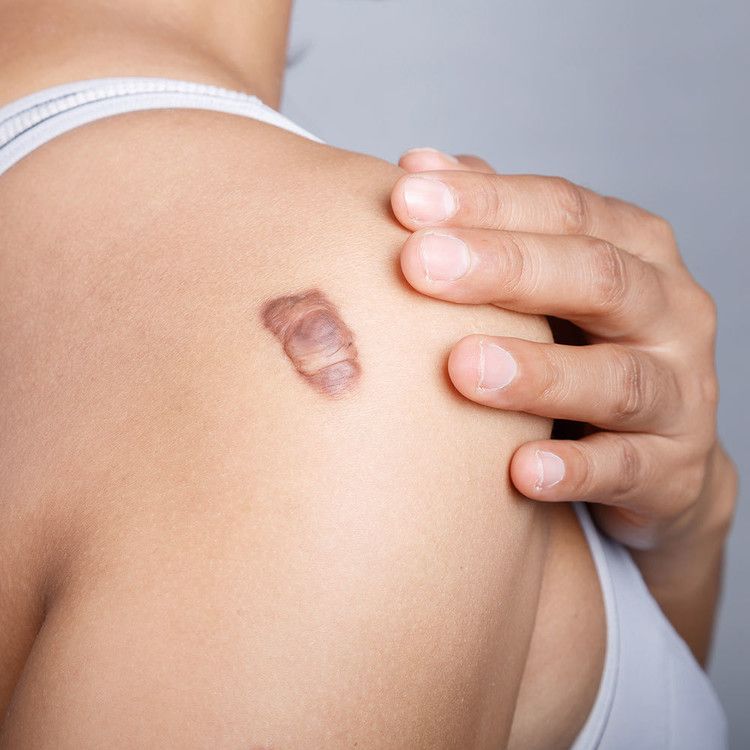

Are you suffering from skin tags and moles?
Do you want to remove your skin tags without damaging your skin safely?
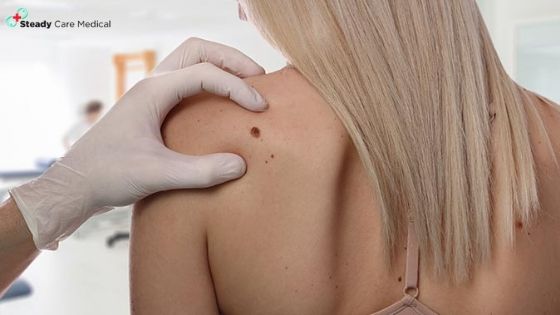
Is this your first time hearing or reading about skin tag? Skin tag refers to a piece of a soft and small hanging skin, which may have a stalk or peduncle. Skin tags could appear on any part of the body, particularly in the areas where skin rubs with clothing or other skin.
So, if you are looking for the best skin tag removal service in the orange county, then you’re in luck. There are a lot of clinics that are ready to help you get rid of those tags, such as the Steady Care Medical.
es