


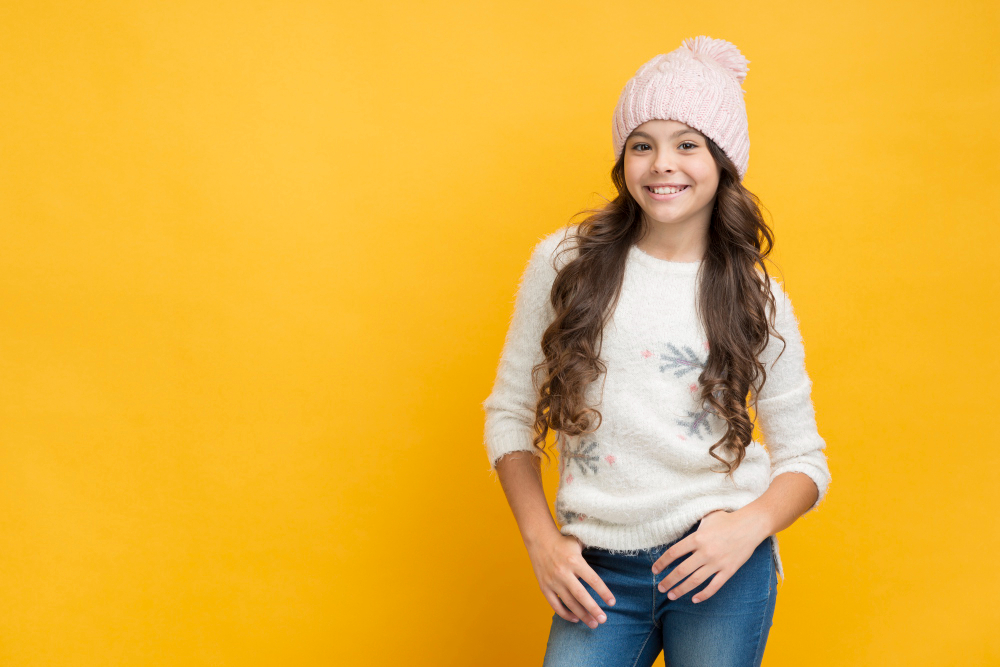
Dressing tweens (ages 8–14) can feel like a balancing act. At this age, kids are beginning to explore their personal style, influenced by friends, social media, and pop culture—but they’re still kids. Parents often wonder how to support their tween’s fashion choices while keeping outfits age-appropriate, comfortable, and practical.
The good news? It is possible to dress tweens fashionably without going overboard. The key lies in balance, communication, and smart styling choices.
1. Understand Tween Fashion Needs
Tweens are in a unique phase of growth—physically, emotionally, and socially. Their clothing should reflect this stage.
What tweens typically want:
- Clothes that help them feel confident
- Styles that reflect current trends
- Outfits similar to what peers are wearing
What parents usually prioritize:
- Age-appropriate designs
- Comfort and durability
- Practicality for school and activities
Finding common ground between these needs is the foundation of tasteful tween fashion.
2. Focus on Comfort First
No matter how trendy an outfit is, if it’s uncomfortable, it won’t work—especially for active tweens.
Choose fabrics that:
- Are soft and breathable (like cotton blends)
- Allow movement and flexibility
- Are easy to wash and maintain
Comfortable clothing not only looks better but also helps tweens feel relaxed and confident throughout the day.
3. Follow Trends—In Moderation
Trends can be fun, but not every trend is suitable for tweens. Instead of copying adult fashion, adapt trends in a tween-friendly way.
Examples of safe trend adaptations:
- Oversized hoodies instead of cropped tops
- Wide-leg jeans or joggers instead of overly tight styles
- Graphic tees with fun or positive designs
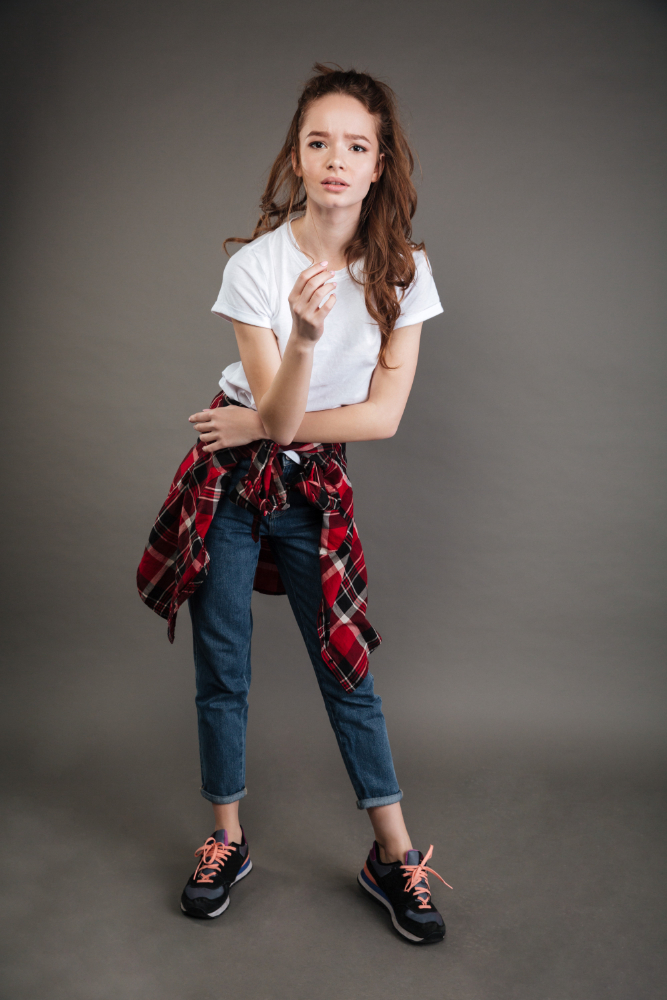
- Layered looks using jackets, cardigans, or flannels
Let tweens enjoy trends, but avoid styles that feel too mature or restrictive.
4. Build a Balanced Wardrobe
A well-rounded tween wardrobe should include both trendy pieces and timeless basics.
Wardrobe essentials include:
- Well-fitted jeans or leggings
- Plain and graphic t-shirts
- Sweatshirts or hoodies
- Casual dresses or skirts (if preferred)
- Sneakers and one dressier shoe option
Once the basics are covered, you can add trendier items as accents rather than making them the main focus.
5. Keep Outfits Age-Appropriate
Fashion doesn’t have to mean grown-up. Clothes should allow tweens to express themselves while still looking like kids.
Tips for maintaining age-appropriateness:
- Avoid heavy makeup-inspired clothing designs
- Skip revealing cuts or slogans meant for adults
- Choose playful colors, prints, and patterns
When in doubt, ask: Does this outfit let them move, play, and feel like themselves?
6. Encourage Personal Style, Not Perfection
Tweens are discovering who they are, and clothing is part of that journey. Encourage them to experiment within reasonable boundaries.
How parents can help:
Offer choices instead of strict rules
Let tweens mix and match outfits
Respect their opinions—even if you don’t fully agree
This approach builds confidence and helps tweens develop their own sense of style responsibly.
7. Use Accessories Wisely
Accessories are a great way to make an outfit trendy without going overboard.
Tween-friendly accessories include:
- Fun backpacks or crossbody bags
- Colorful sneakers or hair accessories
- Simple jewelry like bracelets or watches
- Caps or beanies for casual looks
Accessories allow self-expression while keeping the main outfit simple.
8. Dress for the Occasion
Teaching tweens how to dress for different settings is an important life skill.
- School: Comfortable, modest, and practical
- Parties: Trendy but still age-appropriate
- Sports or playdates: Functional and durable
- Family events: Neat, polished, but not overly formal
Helping tweens understand context prevents over-styling while promoting good fashion sense.
9. Shop Smart and Set Limits
Fashion doesn’t have to be expensive or excessive.
Smart shopping tips:
- Set a clothing budget together
- Focus on mix-and-match pieces
- Avoid fast-changing fads that won’t last long
Teaching moderation early helps tweens value quality over quantity.
Conclusion
Dressing tweens fashionably without overdoing it is all about balance. By focusing on comfort, age-appropriate trends, and personal expression, parents can support their tween’s style journey healthily and positively. Fashion at this age should be fun, flexible, and confidence-boosting—not stressful or extreme.
When tweens feel good in what they wear, it shows—and that’s the best fashion statement of all.


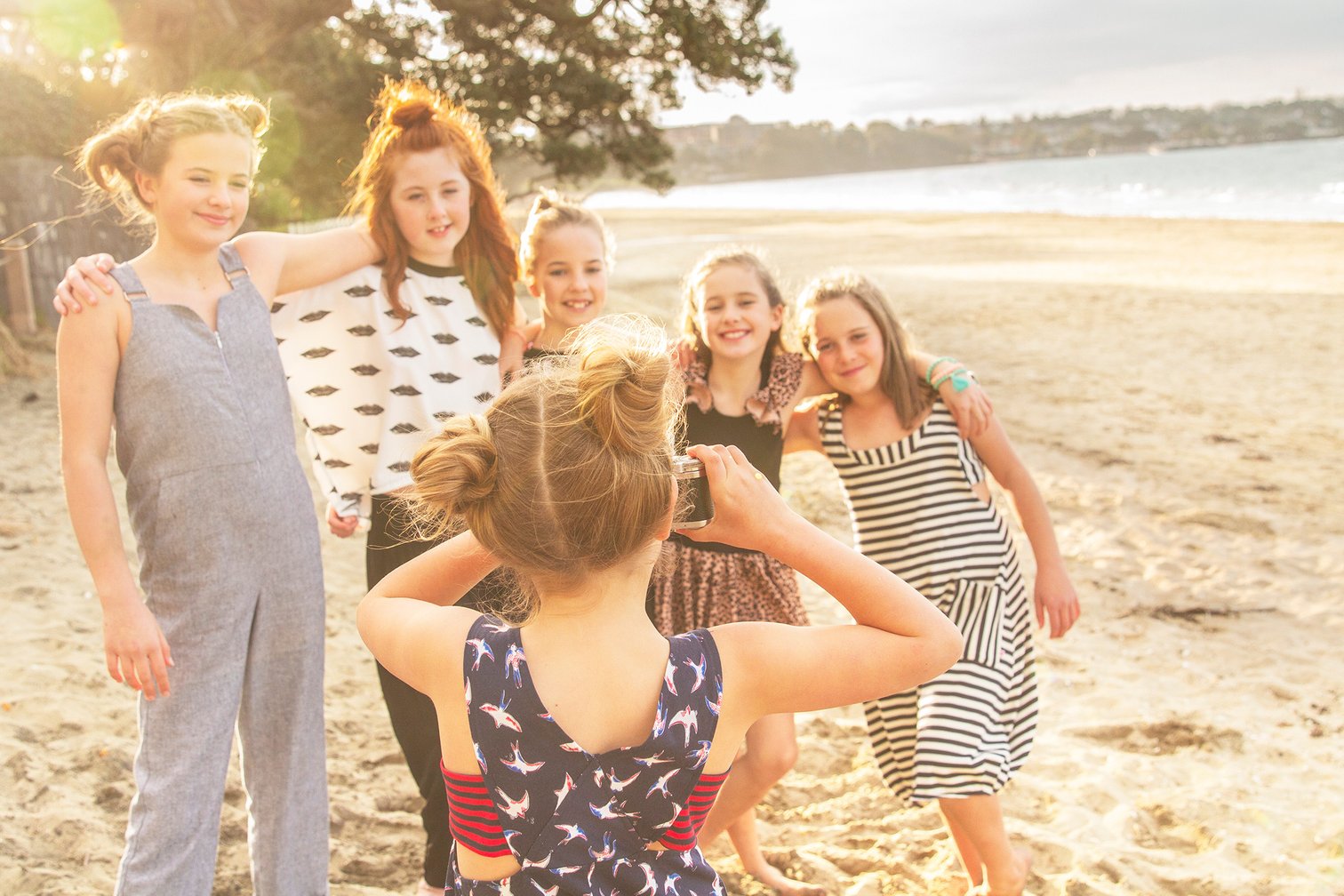
Explore our wider collection for tween clothing NZ to choose the suitable for your kids.
We provide quality stuff for the products we provide.
