


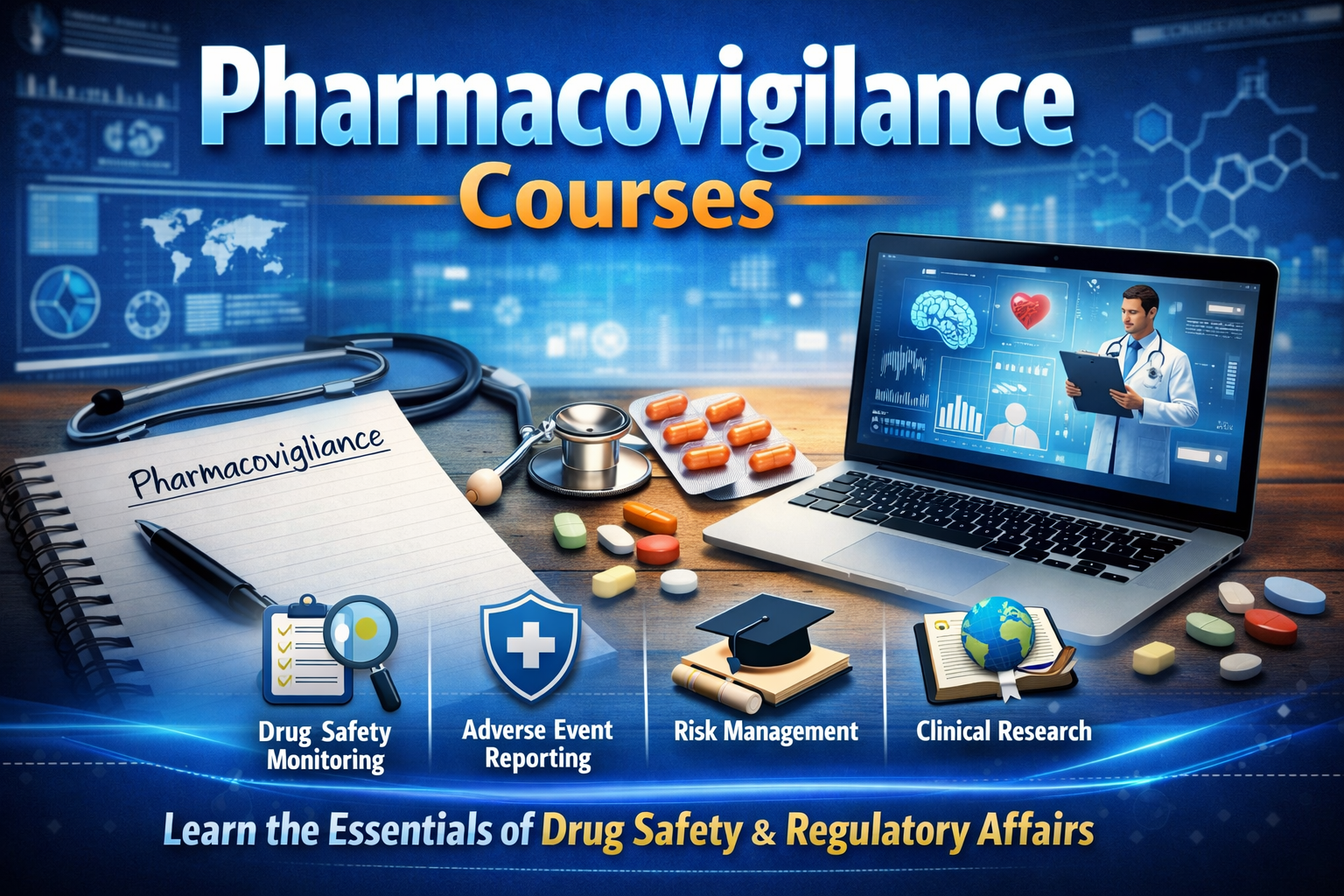
The pharmaceutical and healthcare industries are rapidly evolving, with patient safety becoming a top priority worldwide. One of the most critical functions ensuring drug safety is pharmacovigilance. As a result, enrolling in a pharmacovigilance course has become a smart career move for pharmacy, life science, and medical graduates. This article explores the scope, career opportunities, and benefits of pursuing a pharmacovigilance certification in today’s competitive job market.
What Is Pharmacovigilance?
Pharmacovigilance is the science and activities related to the detection, assessment, understanding, and prevention of adverse drug reactions (ADRs) and other drug-related problems. Regulatory authorities such as WHO, US FDA, EMA, and CDSCO mandate strict pharmacovigilance systems to ensure patient safety throughout a product’s lifecycle.
Due to increasing clinical trials, global drug launches, and regulatory compliance requirements, the demand for trained pharmacovigilance professionals is continuously rising.
Why Choose a Pharmacovigilance Course?
A structured pharmacovigilance course equips learners with in-depth knowledge of drug safety regulations, case processing, signal detection, risk management plans, and aggregate reporting. These courses are designed to meet industry standards and prepare candidates for real-world pharmacovigilance roles.
Key advantages of enrolling in a pharmacovigilance course include:
High demand across pharma, biotech, and CRO industries
Global career opportunities
Entry-level roles suitable for freshers
Strong career growth and salary potential
Scope of Pharmacovigilance Course in India and Globally
The scope of pharmacovigilance Traning is vast and expanding, especially in India, which is a global hub for pharmaceutical manufacturing and clinical research outsourcing.
Growing Pharmaceutical Industry
India’s pharma sector is among the largest in the world. With increased drug exports and compliance requirements, companies need skilled pharmacovigilance professionals to manage global safety data.
Clinical Trials and Research
The rise in clinical trials has increased the need for safety monitoring. Pharmacovigilance experts play a crucial role in ensuring ethical and regulatory compliance during trials.
Regulatory Requirements
Strict guidelines from regulatory bodies make pharmacovigilance mandatory for all marketed drugs. This ensures continuous demand for trained professionals.
Outsourcing Opportunities
Many global pharma companies outsource pharmacovigilance activities to India, creating thousands of job opportunities for trained candidates.
Career Opportunities After Pharmacovigilance Certification
After completing a recognized pharmacovigilance certification, candidates can explore multiple job roles such as:
Drug Safety Associate
Pharmacovigilance Executive
Case Processing Specialist
Signal Detection Analyst
Risk Management Specialist
Medical Reviewer
Pharmacovigilance Quality Auditor
These roles are available in pharmaceutical companies, CROs, biotech firms, hospitals, and regulatory consultancies.
Pharmacovigilance Course with Placement: A Smart Choice
Choosing a pharmacovigilance course with placement support significantly enhances employability. Placement-assisted programs provide:
Industry-oriented curriculum
Hands-on training with real case studies
Resume building and interview preparation
Direct placement assistance with pharma companies and CROs
For freshers and career switchers, placement-oriented pharmacovigilance Traning programs reduce job-search time and offer a smoother entry into the industry.
Who Can Enroll in a Pharmacovigilance Course?
A pharmacovigilance course is ideal for:
B.Pharm, M.Pharm graduates
Pharm.D professionals
Life science graduates (BSc, MSc)
Medical graduates
Clinical research professionals looking to upskill
No prior work experience is mandatory for most entry-level pharmacovigilance roles.
Skills Gained Through Pharmacovigilance Traning
A professional pharmacovigilance course helps learners develop:
Knowledge of global drug safety regulations
Adverse event case processing skills
Medical writing and documentation expertise
Analytical and risk assessment abilities
Regulatory compliance understanding
These skills are highly valued across the pharmaceutical industry.
Future Outlook of Pharmacovigilance Careers
The future of pharmacovigilance is promising, driven by:
Increased focus on patient safety
Digital pharmacovigilance and AI integration
Expansion of post-marketing surveillance
Global regulatory harmonization
Professionals with updated pharmacovigilance certification and practical exposure will continue to be in high demand.
Conclusion
The scope of a pharmacovigilance course is broad, stable, and globally relevant. With strong industry demand, diverse career paths, and excellent growth opportunities, pharmacovigilance is an ideal career choice for science and healthcare graduates. Opting for a pharmacovigilance course with placement further strengthens career prospects and ensures a successful entry into the pharmaceutical industry.
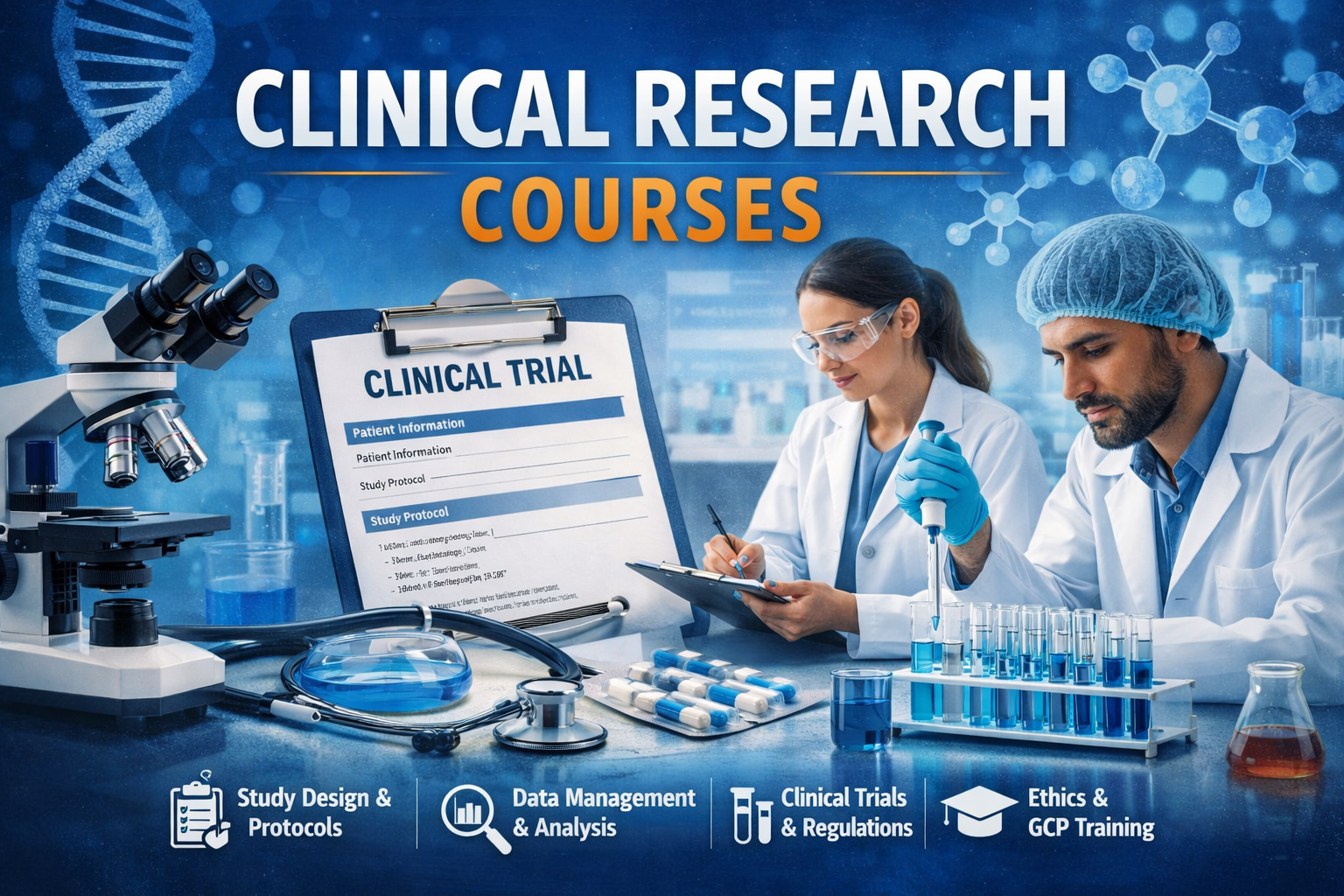


Get in-depth knowledge about pharmacovigilance with the pharmacovigilance training course in Pune.
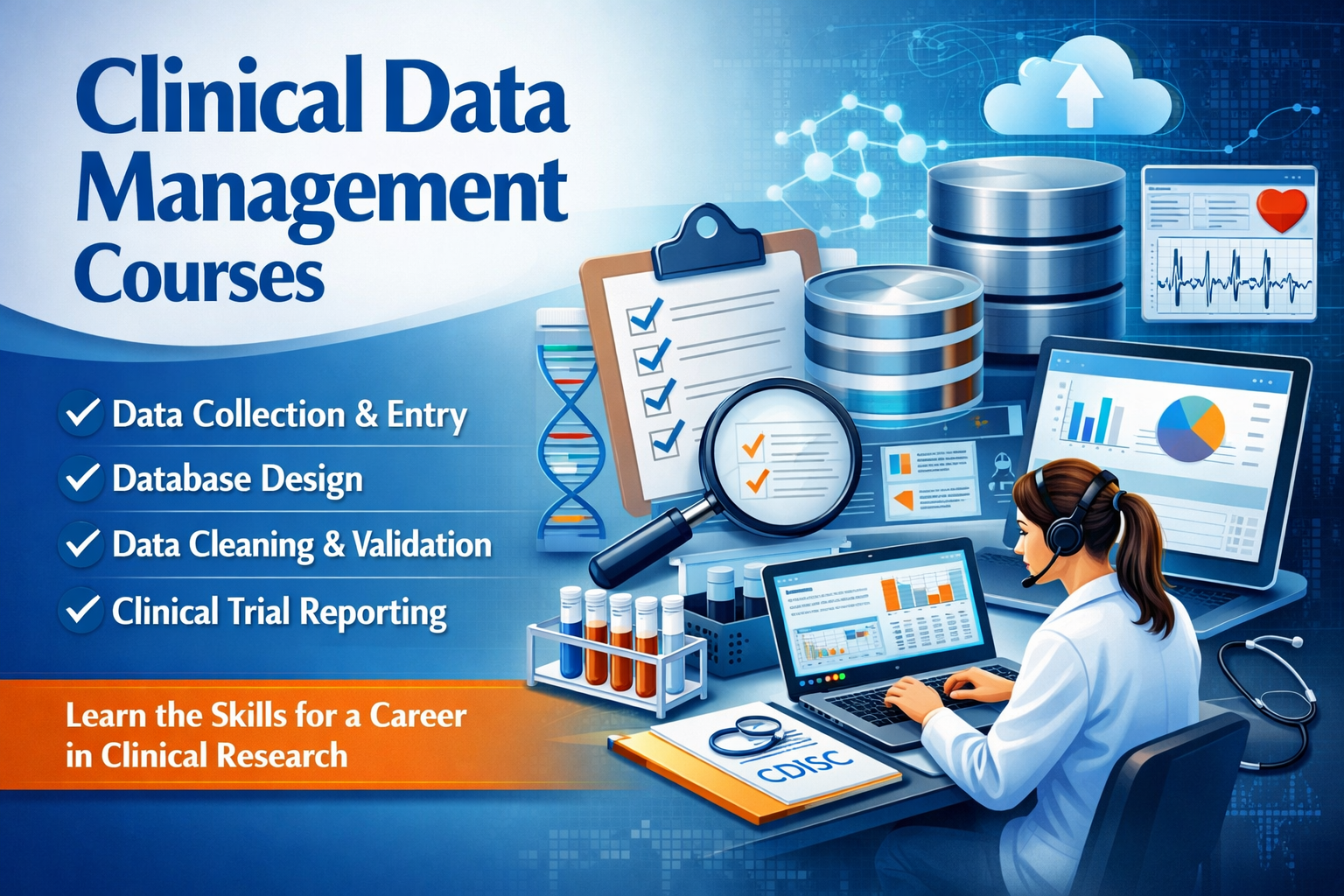
Get to know about the various functionaries of the Drug Safety Department under the guidance of experts.
Learn about the reporting process and get certified in Pharmacovigilance.