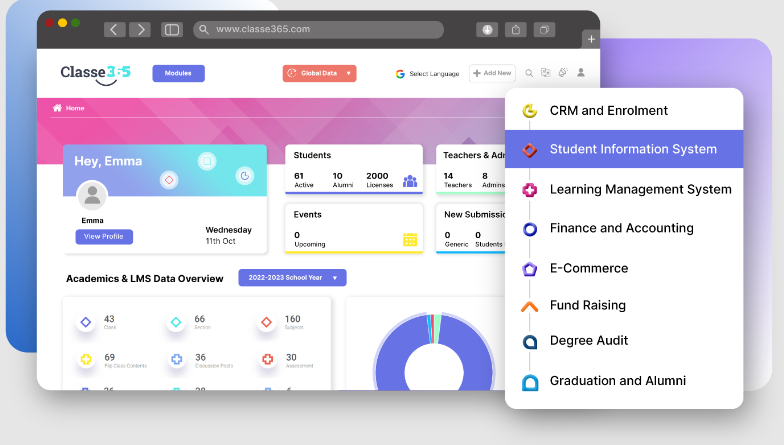
The education landscape is rapidly evolving in 2026, with schools seeking smarter, more efficient ways to manage student data, streamline operations, and enhance learning outcomes. At the heart of this transformation lies the student information system (SIS)—a digital platform designed to centralize, organize, and manage every aspect of student information. From enrollment to attendance, grades, and communication, a modern SIS empowers schools to make data-driven decisions while improving the overall experience for students, parents, and staff.
As technology continues to advance, schools are no longer looking for basic administrative tools—they need intelligent systems that integrate seamlessly with existing infrastructure, provide real-time insights, and support the unique needs of modern learners. Understanding the must-have features of a student information system is key for any institution aiming to stay ahead in 2026.
Key Takeaways
- A student information system centralizes all student-related data for streamlined administration.
- Modern SIS platforms offer tools for academic management, communication, and performance tracking.
- Selecting the right SIS involves evaluating usability, integration capabilities, and real-time reporting features.
- Schools leveraging advanced SIS solutions like Classe365 achieve better operational efficiency, improved student engagement, and stronger decision-making.
1. Centralized Student Profiles for Complete Visibility
One of the core functionalities of a student information system is the ability to maintain centralized student profiles. These profiles consolidate academic records, attendance, personal information, health records, and behavioral data into a single, easily accessible dashboard.
Why it matters:
Managing multiple spreadsheets or disconnected systems often leads to errors, delays, and miscommunication. With a centralized profile, educators and administrators gain instant access to student history, allowing for informed interventions and personalized support.
Best practice:
Choose an SIS that allows easy updates and secure access for authorized personnel. Integration with other systems, such as learning management platforms, ensures that academic and administrative data remain consistent.
2. Attendance and Academic Performance Tracking
Monitoring student progress is critical for improving outcomes and reducing dropouts. An advanced student information system provides automated attendance tracking and performance monitoring tools that help educators identify trends early.
Key benefits include:
- Real-time attendance updates with automated notifications to parents and staff
- Detailed gradebooks that track assignments, exams, and overall performance
- Analytics to highlight students at risk of falling behind
Actionable insight:
Implementing predictive alerts within the SIS allows schools to intervene proactively. For example, if a student misses multiple classes in a week, the system can automatically notify the relevant teacher or counselor for timely action.
3. Seamless Communication Tools
Effective communication is essential in keeping students, parents, and staff connected. A modern SIS should include built-in messaging features such as email, SMS, or push notifications to provide timely updates on academic progress, events, or emergencies.
Benefits:
- Reduces manual follow-ups and miscommunication
- Improves parental engagement and transparency
- Strengthens student-teacher collaboration
Best practice:
Look for a platform that supports two-way communication, allowing recipients to respond directly within the system. Schools can also automate recurring notifications for attendance, assignment deadlines, and fee reminders.
4. Online Enrollment and Admission Management
The admissions process is often time-consuming and error-prone, particularly when managing large volumes of applications. A student information system with online enrollment capabilities simplifies this process by allowing applicants to submit forms digitally, track application status, and automate notifications.
Advantages include:
- Reduced administrative workload for staff
- Faster processing of applications and approvals
- Improved data accuracy and record-keeping
Actionable tip:
Ensure the SIS integrates with payment gateways for fee collection and supports document uploads for transcripts and certificates. Automation here reduces bottlenecks and improves the applicant experience.
5. Comprehensive Reporting and Analytics
In 2026, data-driven decisions are no longer optional—they are essential. An SIS with robust reporting and analytics tools helps schools monitor academic trends, operational efficiency, and student engagement.
Key features to look for:
- Customizable dashboards for administrators, teachers, and counselors
- Real-time analytics on student performance and attendance
- Predictive insights for early intervention and retention strategies
Why it matters:
Reporting tools enable leadership to identify gaps, plan resources, and implement evidence-based strategies. For example, a school can analyze which courses have high dropout rates and adjust the curriculum or provide additional support.
6. Integration with Learning Management Systems (LMS)
A modern SIS cannot operate in isolation. Integration with LMS platforms ensures that academic activities, grades, and assignments are seamlessly linked to the central database. This creates a unified ecosystem that supports teaching and learning.
Benefits include:
- Synchronization of assignments, schedules, and grades
- Easier access for students and teachers without switching platforms
- Enhanced visibility into learning outcomes and engagement
Best practice:
When evaluating an SIS, check if it supports API integrations or pre-built connectors with popular LMS platforms. This reduces manual data entry and maintains consistency across all systems.
7. Security and Compliance Features
Protecting student data is paramount, especially with increasing regulatory requirements worldwide. A reliable student information system should offer advanced security measures, including role-based access, data encryption, and audit trails.
Benefits include:
- Protection of sensitive student information
- Compliance with data protection regulations like GDPR or FERPA
- Secure online transactions and communications
Actionable insight:
Choose a system that allows granular access controls, ensuring that staff, teachers, and administrators only view data relevant to their roles. Regular updates and security audits further safeguard the platform.
FAQs About Student Information Systems
Q1: What is a student information system (SIS)?
A student information system is a software platform used by schools to manage student data, track academic performance, attendance, communication, and administrative tasks in one centralized system.
Q2: How does an SIS improve school efficiency?
An SIS reduces manual paperwork, automates routine processes, and provides real-time data insights. This improves decision-making, saves staff time, and enhances student experience.
Q3: Can a student information system integrate with other school software?
Yes, modern SIS platforms often support integrations with LMS, finance management, communication tools, and external analytics platforms, creating a unified ecosystem.
Q4: Is data secure in a student information system?
Reliable SIS platforms include encryption, access control, audit trails, and compliance with regulations like GDPR and FERPA to ensure sensitive student data remains protected.
Q5: How does an SIS support student engagement?
By providing timely updates, progress tracking, and direct communication tools, an SIS keeps students informed, connected, and motivated throughout their academic journey.
Q6: How do schools choose the right student information system?
Schools should evaluate usability, scalability, integration capabilities, reporting features, and security compliance. Pilot programs and vendor demos are recommended before full implementation.
Explore a Smarter Student Management Solution Today
Adopting the right student information system is no longer a luxury—it’s a necessity for schools aiming to thrive in 2026. From centralized data and automated processes to enhanced engagement and predictive insights, a modern SIS transforms how schools operate and supports every stakeholder in the learning journey.
For institutions seeking a proven, innovative solution, Classe365 offers a comprehensive platform trusted by schools worldwide. With cutting-edge features, intuitive dashboards, and seamless integrations, Classe365 empowers educators to focus on what matters most—student success.

Today’s businesses are delivering the couriers and shipments in a quicker and productive way by using the route planner apps.
With the rise of the Google play store and Apple app store, the demand for the route optimization program and route planner app developers also booming.
Read More at : https://www.appsinvo.com/blog/features-of-route-planner-app-for-delivery-business/Follow Us onAppsinvo | Behance | Facebook | Instagram | Linkedin | Dribbble | Twitter | Tumblr | Pinterest | Flickr