





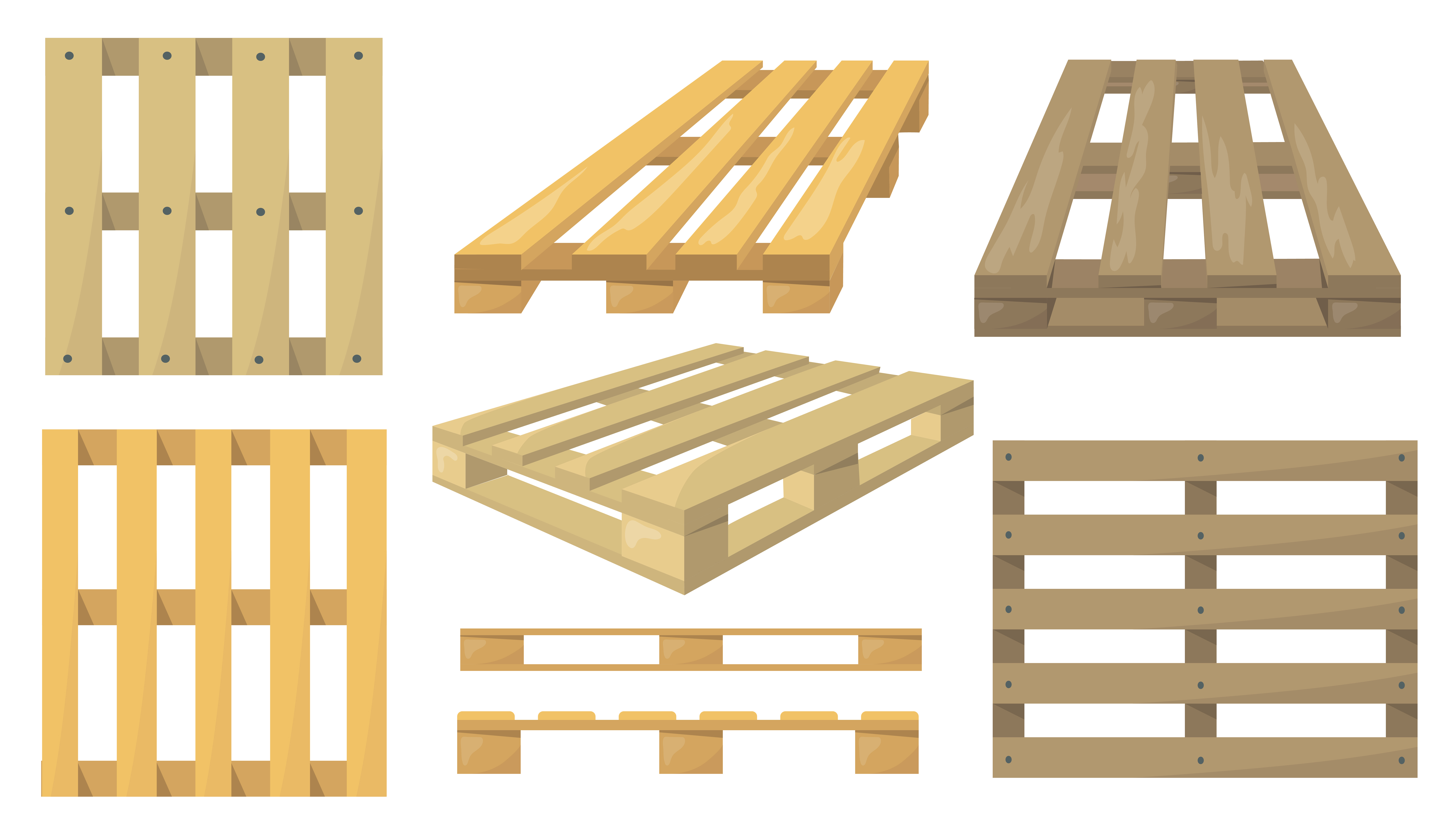
Speed and efficiency are the goals of every supply chain, so any lost time, damaged goods, or variations in shipment standards are problems that cost money and increase risk. Warehouse managers and logistics coordinators are increasingly turning to pallet pooling and repair programs to streamline operations, reduce waste across their networks, and create significant sustainability value.
Shared systems: The benefits of pooling explained
Pallet pooling is a circular logistics model in which businesses rent reusable pallets from a single service provider rather than purchasing them outright. These standardised units can then be used to ship goods between multiple supply chains—say, between manufacturers, distributors, and retailers before being returned to the pool for inspection and repair.
Pooling companies maintain a full inventory of standardised pallets in various locations and oversee the collection, inspection, and redistribution while sending clients the exact number they need at any given time.
This model frees up businesses from having to purchase and store them themselves, saving on capital and storage costs. For example, a manufacturer can use these pallets to ship goods to a retailer, who will simply return the pallets to the pooling company for reuse in their next shipment. By applying this system to wooden pallets, companies ensure greater durability, consistent quality, and sustainability through every rotation.
Pallets are in constant use and rotation, so they spend little or no time “dead”, reducing the asset utilisation ratio. The net result is more dependable, lower-cost logistics with a lower environmental footprint.
Warehouse efficiency and less waste
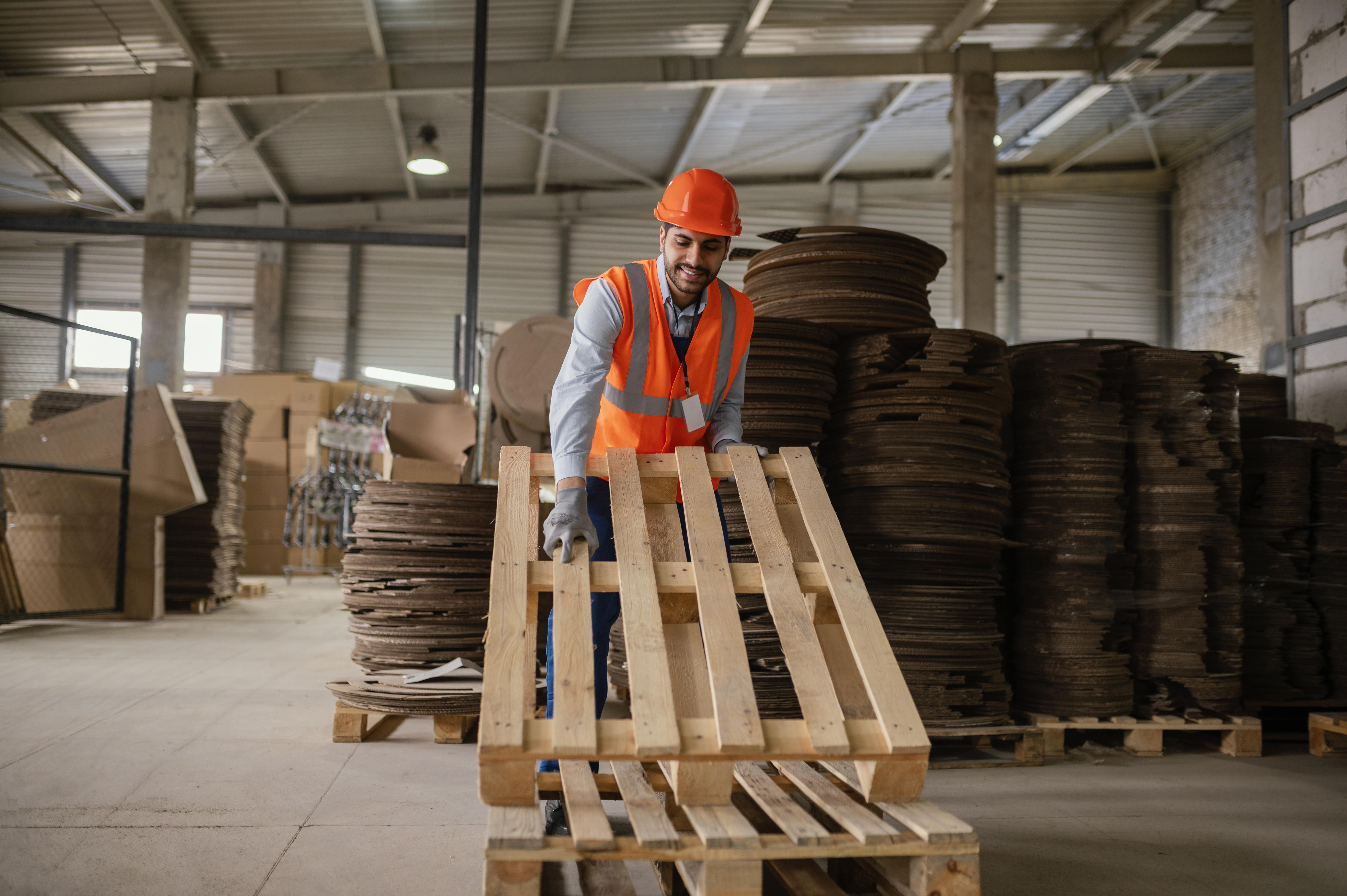
Warehouse storage space, labour and equipment are all required to manage owned pallets. Damage and losses grow over time, leading to substandard, non-spec pallets that clutter valuable warehouse space, pose trip hazards or contribute to safety incidents. Pooling programs solve these issues by shifting the responsibility for supply and maintenance to an external provider.
Pooling suppliers are responsible for a centralised inventory and distribution, collection, and redistribution. This eliminates the need for warehouses to hold stock or deal with damaged units. When they receive shipments on pooled pallets, businesses can be sure they are receiving clean, sturdy, and standard-sizes as needed.
The circular reuse of pallets also dramatically improves the environmental impact of logistics operations. With pooling, the need for new production is significantly reduced. Instead, returned pallets can be repaired and redeployed across the network. This operational efficiency is a major driver of many companies’ sustainability targets.
Consistent quality at scale
Inconsistent pallet dimensions or quality are often major hidden cost drivers, especially for large businesses with multiple warehouses or distribution centres. Equipment calibration, product damage, and loading times can all increase with size variations or when pallets are in poor condition.
Pooling repair programs help maintain consistent quality across an entire organisation’s logistics operations. When all pallets in a network are of standardised size and shape, they’re more compatible with existing equipment and racking systems at each facility.
Quality control systems are an important part of these circular pooling models. By pooling across the entire supply chain, it is possible to track each pallet’s lifetime performance and ensure every one is as good as new after every rotation through the network.
Streamlined return repair logistics
The traditional ownership model leaves a lot of clutter when pallets are damaged. In-house repairs often require resources and labour, or damaged pallets are discarded.
Pooling providers take care of the entire repair and return process. Units are returned to the provider and repaired at the appropriate time and location, so they never accumulate in one place.
The repair program reduces waste by keeping as many materials as possible in circulation for as long as possible. Repair programs allow many damaged pallets to be reclaimed for their wood, nails, and fasteners rather than disposed of completely.
Sustainability as a competitive advantage
Supply chains must not only be faster but also more sustainable. Pooling and repair systems can significantly reduce wood waste and carbon emissions across entire networks.
The fact that each used unit is repaired or refurbished through a pooling program means less new wood is required from the start, resulting in environmental savings and greater value retained at each rotation.
The ability to accurately measure and report the sustainability benefits of these programs provides companies with a significant ESG (Environmental, Social, and Governance) performance advantage.
Crates rental is becoming more common too, and it can supplement and complement pooling programs. Integrating both services into a company’s logistics operations can reduce packaging waste while improving consistency in production.
The future of efficient logistics
The expansion of pallet pooling and related repair programs is part of a larger trend in the logistics industry toward shared asset networks predicated on standardisation, visibility, and sustainability.
Shared logistics ecosystems can play a vital role in reducing waste and maintaining quality and supply chain continuity in this time of global, expanded operations, which is especially important in uncertain times. Businesses can transform their logistics operations from static asset-heavy models to agile, data-rich circular systems by adopting these shared asset management programs.


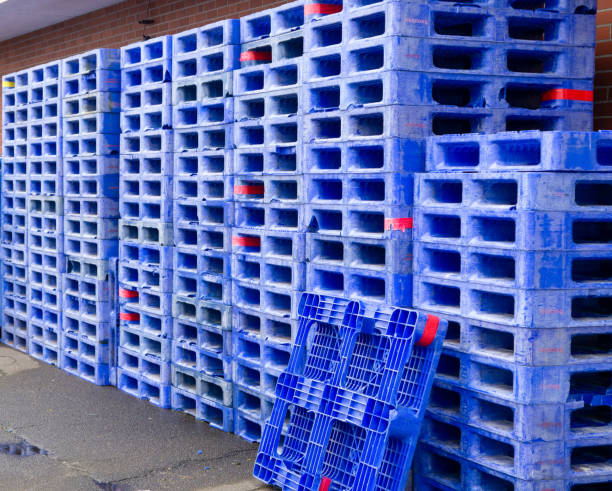

Global Pallet Pooling (Rental) Market 2021 is a complete research study that portrays the present Pallet Pooling (Rental) industry situations.
All the major Pallet Pooling (Rental) regions and their contribution to the global market share are analyzed comprehensively.
A detailed description related to supply chain structure, Pallet Pooling (Rental) market size, consumer volume, and import/export scenario has been covered in this report.
Analysis of major Pallet Pooling (Rental) players, their company profile, market volume, Pallet Pooling (Rental) production capacity, competitive landscape study will provide a complete picture of Pallet Pooling (Rental) industry.Request for a sample copy of this report: https://techmarketreports.com/report/pallet-pooling-rental-market/#requestForSample Major dominant companies are listed below:iGPS Logistics LLC, Loscam Australia, Brambles Limited, Contraload NV, Demes Logistics GmbH, Euro Pool Group, Faber Halbertsma Groep B.V., PPS Midlands, Zentek Pool System, Schoeller Arca Time Materials Handling SolutionsProduct Categories 2021:Nestable, Stackable, RackableProduct End-use Applications:FMCG, Food and Beverage, Pharmaceuticals, Electronics, Chemical and Petrochemical, OtherDo you have any questions?
The competitive landscape mapping the trends and outlooks in the report highlights a clear insight into the market share analysis of the major industry players.The Pallet Pooling (Rental) market 2021 report shows the competitive scenario of the major market players depending on sales revenue, customer requests, organization profile and business tactics used in the market that will help to emerge market segments to make vital business decisions.
This study also covers the top company profile, product specifications and image, market share and contact information for various regional, worldwide and local vendors in the global Pallet Pooling (Rental) market.Top Geographical regions (2022-2031):- North America (US, Canada, and Mexico)- Europe (Germany, France, UK, Russia, Italy, Spain, and Rest of Europe)- Asia-Pacific (China, Japan, Korea, India, and Rest of Asia)- Latin America (Brazil, Argentina, and the Rest of Latin America)- The Middle East and Africa (GCC, South Africa, Israel, and Rest of MEA)Buy now this premium report to grow your firm : https://techmarketreports.com/purchase-report/?reportId=136197Reasons to Investment this Report:1.