



You don’t wake up one day and suddenly play tournament chess. That’s not how it works. Anyone selling that dream is lying, or at least cutting corners. Chess improvement is quieter than that. Slower. Messier. And yeah, sometimes frustrating.
But six months? If you’re serious, consistent, and using the right tools, that’s actually enough time to move from clueless beginner to someone who can sit across a board in a real tournament and not panic. I’ve seen it happen. More than once.
This is the roadmap. Not perfect. Not glamorous. Just real.
Month 1: Learn the Board, Stop Guessing
Most beginners think they “know chess” because they know how the pieces move. That’s surface-level stuff. The real problem early on is chaos. Random moves. No plan. No clue why a position feels bad until it’s already lost.
This is where structured online chess lessons start to matter. Not in a flashy way. In a grounding way. You learn why control of the center matters. Why development isn’t optional. Why moving the same piece five times in the opening is usually a mistake.
You’re not studying to be clever yet. You’re studying to stop blundering for free.
Expect confusion here. That’s normal. You’ll lose games you thought you were winning. A lot. Keep going.
Month 2: Openings That Actually Make Sense
Here’s the mistake beginners make. They jump into advanced opening theory way too fast. Memorizing ten moves deep with zero understanding. Waste of time.
Instead, you need one opening as White and one as Black. Solid. Logical. Something you can play every game without thinking too hard. This is where courses like a Caro-Kann course or basic e4 principles come in handy. The Caro-Kann defense counter ideas are especially useful because they teach patience and structure, not reckless attacks.
Good coaching platforms explain the “why” behind moves. That’s the difference between YouTube hopping and real learning.
By the end of this month, you should reach playable middlegames without feeling lost. Not winning yet. Just surviving cleanly.
Month 3: Tactics Hurt, Then Help
This is where chess starts punching back. Forks. Pins. Discovered attacks. You’ll see them everywhere, mostly right after they happen to you.
Daily tactics training is non-negotiable now. Ten minutes. Twenty if you can handle it. And not just random puzzles. Ones explained properly by online chess teachers who show patterns, not tricks.
This is also the point where many players quit. Progress feels slow. Losses feel personal. Don’t stop here. This phase is doing more than you think.
Some players around this stage move into virtual chess lessons for live feedback. That alone can shave weeks off your learning curve.
Month 4: Middlegames and Real Decisions
Now things get interesting. You’re no longer just reacting. You’re choosing plans. Kingside or queenside. Attack or simplify. Trade or keep tension.
This is where a good chess tutor online becomes valuable. Someone who pauses the game and says, “Here’s why this move is passive,” or “This is the moment you should push.” Those small comments stick.
You’ll also start analyzing your own games. Poorly at first. That’s okay. Just ask basic questions. Where did it go wrong. What was I scared of. What did I miss.
This month is messy. Improvement isn’t linear here. But it’s real.
Month 5: Endgames and Tournament Habits
Most beginners ignore endgames. Big mistake. This is where tournament games are decided, especially at lower levels.
You don’t need everything. Just essentials. King and pawn endings. Basic rook endings. How to convert an extra pawn without panicking.
Also, this is the month to simulate tournament conditions. Longer games. No distractions. One game. Full focus. This is where online platforms like Metal Eagle Chess start to shine, because structured programs force discipline.
You’re not just learning chess now. You’re learning how to compete.
Month 6: Preparing for the Board, Not the Screen
Here’s the shift. Chess stops being a hobby and starts feeling serious.
You review your openings. Tighten them. You polish your tactical vision. You play fewer games, but analyze more deeply. This is where virtual chess lessons really come full circle, especially when they mimic real tournament prep.
You’ll still make mistakes. Everyone does. Even strong players. The difference now is awareness. You know why you lost. That’s power.
By the end of this month, sitting in a tournament won’t feel terrifying. Nervous, sure. But prepared. That matters.
Why Coaching Platforms Speed This Up
Could you do this alone? Maybe. But most don’t.
Good coaching platforms combine structure, feedback, and accountability. The Best Chess Coaching setups don’t overwhelm you. They guide. Step by step. They mix recorded lessons with live support, not just content dumps.
Metal Eagle Chess focuses on exactly this. Clean progression. No ego. No fluff. Just tools that help beginners turn into competitive players without burning out.
And that’s why people stick with it.
The Honest Truth
Six months won’t make you a grandmaster. Anyone promising that is selling nonsense. But six months can absolutely make you tournament-ready if you stop bouncing between random videos and commit to a plan.
Use online resources wisely. Lean on coaches when you’re stuck. Review your losses without excuses. And don’t rush the process.
That’s the real roadmap. Slightly uncomfortable. Sometimes frustrating. But it works.
And if you’re choosing Best Chess Coaching, especially platforms that offer solid virtual chess lessons, you’re already cutting through half the noise.
Now it’s just work. Quiet work. The kind that actually pays off.



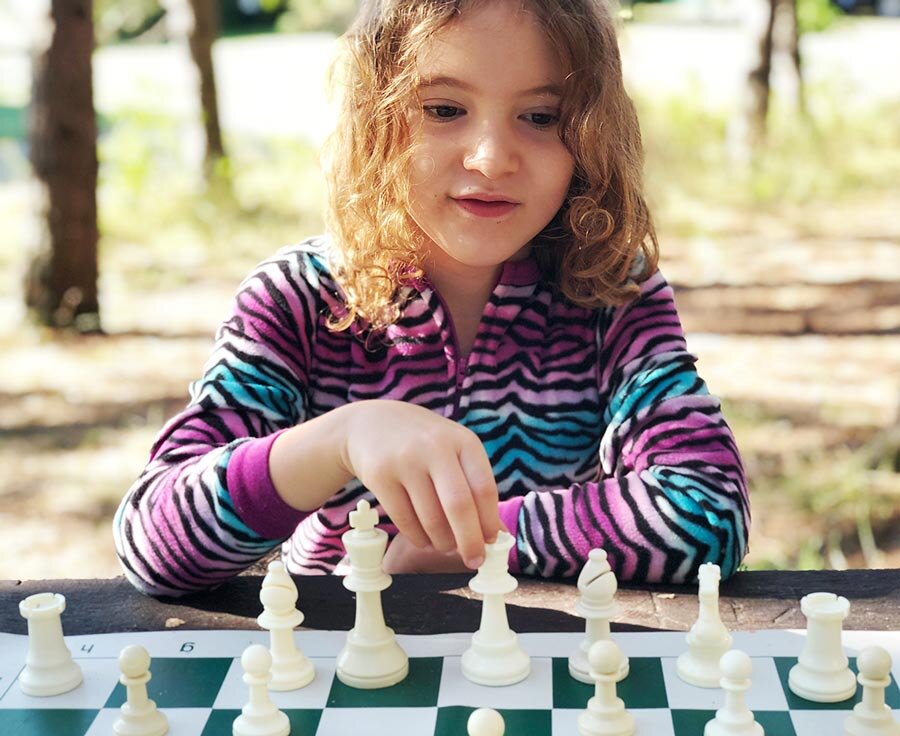
Searching for the kid's chess classes in Canada?
Join Girl Boss Chess where kids-friendly chess instructors conduct engaging online chess lessons.
Girl Boss Chess helps to develop perspective, Improve memory and increase intelligence in your kids.