


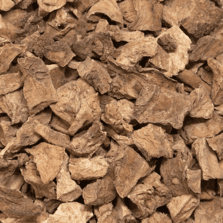
Chicory roots have increasingly become a critical ingredient in the food and beverage industry, prized for their natural sweetness, functional properties, and versatility. For agriculture professionals and B2B buyers, understanding the complete journey of chicory roots, from cultivation and harvesting to processing and end-product integration, is essential for ensuring quality, consistency, and market competitiveness. This guide explores the lifecycle of chicory roots, offering technical insights and applications relevant to modern food manufacturing.
Cultivation: Laying the Foundation for High-Quality Chicory Roots
The journey begins on the farm, where optimal cultivation practices directly impact the quality and yield of chicory roots. Chicory roots thrive in well-drained soils with neutral to slightly acidic pH levels and require a moderate water supply during the growing season. Crop rotation and balanced fertilization, particularly with nitrogen and potassium, enhance root development and inulin content, a key prebiotic compound valued in functional foods.
Farmers often use precision sowing and controlled spacing to maximize root size and uniformity, which is crucial for downstream processing. Pest and disease management, including monitoring for root maggots and fungal infections, ensures that the harvested roots meet the stringent standards demanded by B2B buyers and industrial processors.
Harvesting: From Field to Collection
Harvesting chicory roots is a critical step in preserving their functional and flavor properties. Typically, roots are collected 5–6 months after sowing, when inulin content is at its peak. Mechanical harvesters are commonly employed in large-scale operations to reduce labor costs and maintain consistency.
Post-harvest, the roots are carefully cleaned to remove soil and debris, as any contamination can affect both shelf life and processing outcomes. Proper handling during this stage minimizes bruising, which is essential because damaged chicory roots can lose quality during drying and milling processes.
Processing: Transforming Roots into Functional Ingredients
Once harvested, chicory roots undergo a series of processing steps to convert them into usable forms such as powders, extracts, and roasted granules. The process typically includes:
- Washing and Slicing: Roots are washed thoroughly and sliced to uniform thickness, enabling efficient drying.
- Drying: Controlled drying reduces moisture content without degrading inulin and other bioactive compounds.
- Milling and Grinding: Depending on the intended application, roots are ground into powder or granules to achieve consistent particle size.
- Roasting or Extract Preparation: For beverage or flavoring applications, roots may be roasted to develop aroma or extracted to obtain concentrated inulin-rich solutions.
At every stage, quality control measures such as moisture analysis, microbial testing, and particle uniformity ensure that the final product meets industry standards. B2B buyers depend on these parameters to maintain consistency across batches, especially for functional foods, bakery products, and coffee blends.
Applications: Bringing Chicory Roots to the Market
Chicory roots have found diverse applications across food, beverage, and health sectors:
- Beverages: Roasted chicory roots are used as a coffee substitute or blend, offering rich flavor without caffeine.
- Functional Foods: Inulin extracted from chicory roots supports digestive health, making it a popular ingredient in nutrition bars, cereals, and dairy alternatives.
- Bakery and Confectionery: Powdered chicory roots enhance sweetness and texture in breads, cookies, and other baked goods.
- Nutraceuticals and Supplements: Concentrated extracts from chicory roots are integrated into supplements for gut health and prebiotic formulations.
Each application relies on the consistent quality of raw chicory roots, emphasizing the importance of sourcing from reliable suppliers. Vashila Industries, for instance, provides premium-grade chicory roots processed under stringent quality standards to meet the specific needs of industrial and B2B buyers.
Market Trends Driving Demand
The demand for chicory roots is being fueled by several industry trends:
- Functional and Clean-Label Foods: Consumers increasingly prefer natural, additive-free ingredients, creating growth opportunities for chicory root products.
- Low-Caffeine and Specialty Beverages: Coffee alternatives featuring chicory roots are gaining popularity globally.
- Nutritional and Prebiotic Awareness: With rising interest in gut health, products containing inulin-rich chicory roots are seeing significant uptake.
These trends highlight the strategic importance of understanding the complete supply chain of chicory roots, from farm to finished product.
Conclusion: Strategic Insights for B2B Stakeholders
The journey of chicory roots from farm harvest to finished products is complex, requiring precision at every stage to ensure quality, functionality, and consistency. For agricultural professionals, food manufacturers, and B2B buyers, this knowledge is critical in making informed decisions about sourcing, processing, and product development.
By integrating high-quality chicory roots into food and beverage products, companies can leverage natural flavor, prebiotic benefits, and consumer appeal. Partnering with trusted suppliers like Vashila Industries guarantees a dependable supply chain and the consistent quality necessary to meet global industry standards. As demand for functional and clean-label ingredients continues to rise, understanding the full lifecycle of chicory roots becomes a strategic advantage in today’s competitive food landscape.

Besides, the report also represents the market performance by value chain analysis which will help to provide better product differentiation along with the analysis of each segment regarding opportunity, market attractiveness index and growth rate.
it is a soluble fiber.
Inulin has been part of our daily diet for hundreds of years, as you find it in many fruits and vegetables, such as bananas, onions, and wheat.
According to this study, over the next five years the Inulin market will register a 3.6% CAGR in terms of revenue, the global market size will reach US$ 350 million by 2024, from US$ 290 million in 2019.
Browse the complete Inulin market Report and TOC @ https://www.decisiondatabases.com/ip/16320-inulin-market-analysis-report The key manufacturers covered in this report: BeneoSensusCosucraXiruiViolfInulingQinghai WeideFuji Nihon Seito CorporationBiqingyuanNovagreenThe Tierra GroupGansu Likang Segmentation by product type: Chicory Roots InulinArtichoke InulinOthers Segmentation by application: Food & BeverageDietary SupplementsPharmaceuticalOther This report also splits the market by region: Americas United States Canada Mexico Brazil APAC ChinaJapan…….
Download Free Sample Report of Global Inulin Market Report @ https://www.decisiondatabases.com/contact/download-sample-16320 Research objectives To study and analyze the global Inulin consumption (value & volume) by key regions/countries, product type and application, history data from 2014 to 2018, and forecast to 2024.To understand the structure of Inulin market by identifying its various subsegments.Focuses on the key global Inulin manufacturers, to define, describe and analyze the sales volume, value, market share, market competition landscape, SWOT analysis and development plans in next few years.To analyze the Inulin with respect to individual growth trends, future prospects, and their contribution to the total market.To share detailed information about the key factors influencing the growth of the market (growth potential, opportunities, drivers, industry-specific challenges and risks).To project the consumption of Inulin submarkets, with respect to key regions (along with their respective key countries).To analyze competitive developments such as expansions, agreements, new product launches, and acquisitions in the market.To strategically profile the key players and comprehensively analyze their growth strategies.

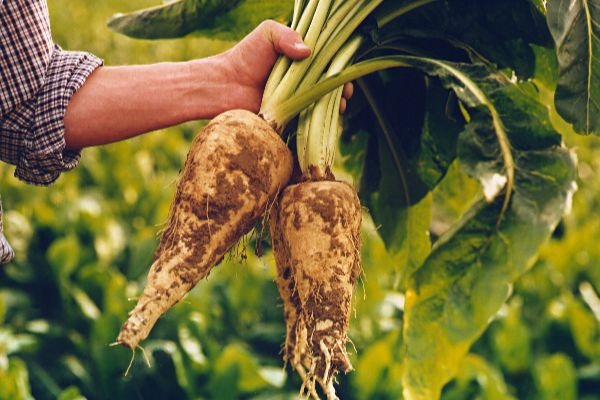
Chicory Roots Industry Research Report 2019 Chicory was originally used as a medicine by the Egyptians and they were found in the regions such as Europe and Asia.
The roots when dried and roasted acts as a substitute for coffee having no caffeine.Get Sample Copy of this Report - https://www.orianresearch.com/request-sample/620583 Chicory Roots Industry 2019 research report provide a basic overview of the industry including definitions, classifications, applications and industry chain structure.
The Global Chicory Roots Industry analysis is provided for the international Industry’s including development trends, competitive landscape analysis, and key regions development status.
This report also states import/export consumption, supply and demand Figures, cost, price, revenue and gross margins.Chicory Roots 2019 Industry Research Report is spread across 115 pages and provides exclusive vital statistics, data, information, trends and competitive landscape details in this niche sector.
Global Chicory Roots Industry competition by top manufacturers, with production, price, revenue (value) and Industry share for each manufacturer; the TOP PLAYERS includingShaanxi Sciphar Natural ProductsDelecto Foods PrivateCargillJarrow Formulas...The report also focuses on global major leading industry players of Global Chicory Roots Industry providing information such as company profiles, product picture and specification, capacity, production, price, cost, revenue and contact information.
Finally the feasibility of new investment projects are assessed and overall research conclusions offered.With tables and figures helping analyze worldwide Global Chicory Roots Industry, this research provides key statistics on the state of the industry and is a valuable source of guidance and direction for companies and individuals interested in the Industry.Regionally, this report focuses on several key regions: North America, Europe, China and Japan.At company level, this report focuses on the production capacity, ex-factory price, and revenue and Industry share for each manufacturer covered in this report.