


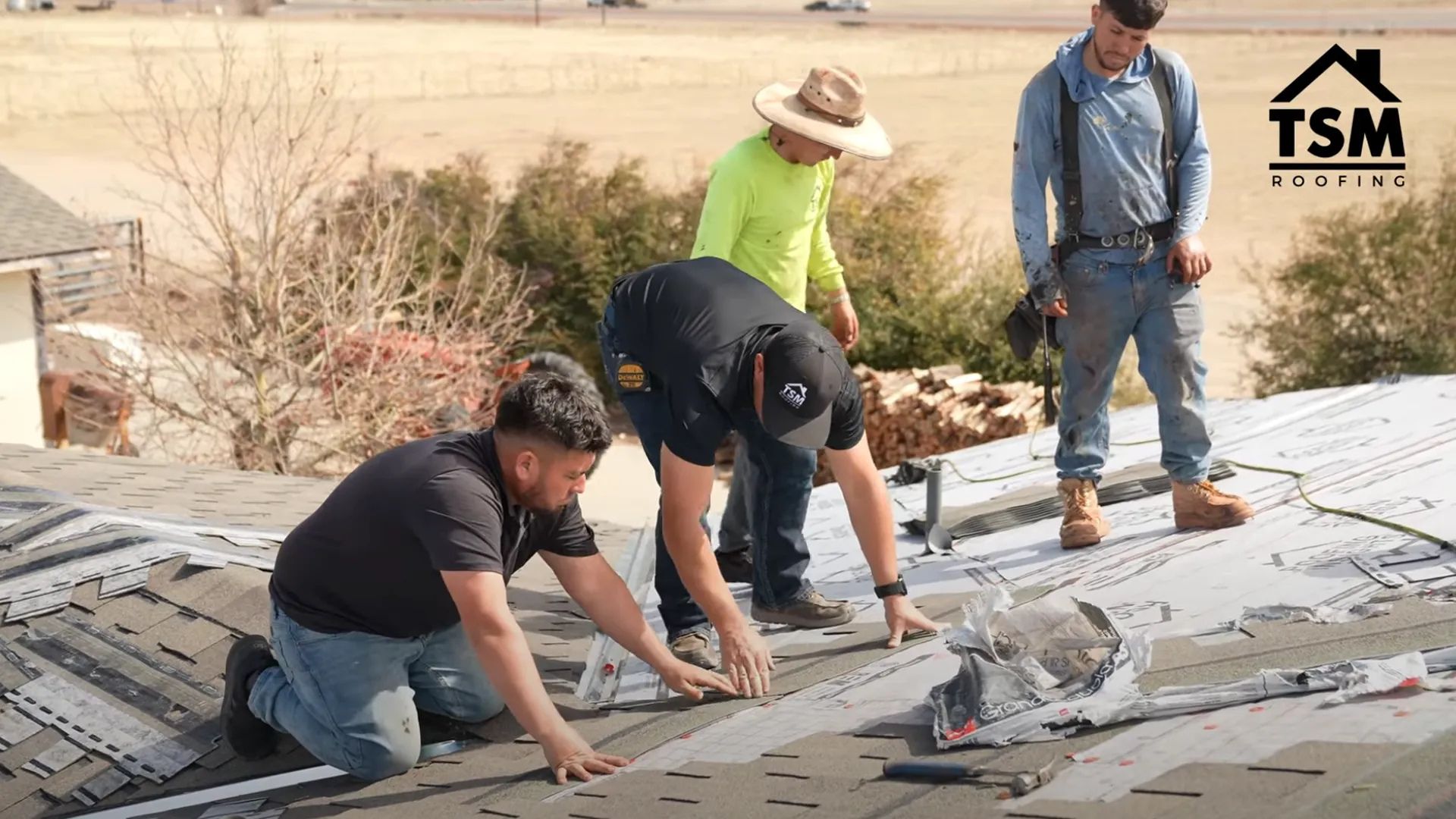
Roof damage can occur suddenly due to storms, wind, hail, or fallen debris. During such emergencies, a temporary solution is essential to protect your home from further damage. Roof tarping is a widely used emergency measure that provides immediate protection against water infiltration, debris, and structural compromise. Understanding how temporary roof tarping works, when it’s needed, and best practices ensures homeowners can safeguard their property until permanent repairs are completed.
What Is Roof Tarping?
Roof tarping involves covering damaged or exposed areas of a roof with a durable waterproof material, typically a heavy-duty tarp, to prevent further damage. This temporary solution is essential after events like storm damage, roof leaks, or partial structural failure. The goal of roof tarping is to protect the home from water infiltration, wind damage, and potential mold growth while awaiting full roof repairs.
Why Temporary Roof Tarping Is Essential
When a roof is compromised, rain or snow can quickly penetrate the home, causing damage to insulation, ceilings, and interior furnishings. Temporary roof tarping acts as a barrier against moisture, preventing water damage and reducing repair costs. Homeowners who delay tarping often face larger repair bills and longer restoration times.
Additionally, tarping prevents debris from entering the home and minimizes safety hazards caused by falling materials or structural instability. Properly installed tarps are a critical step in emergency roof protection.
Common Situations Requiring Roof Tarping
Roof tarping is typically needed in emergency situations, such as:
Severe storm damage with missing shingles or holes.
Hail or wind damage that exposes the roof deck.
Leaking roofs during prolonged rain or snow events.
Fire damage where sections of the roof are compromised.
In all these scenarios, temporary roof tarping mitigates further structural damage and protects the home from immediate threats.
Choosing the Right Tarp for Emergency Roof Protection
Not all tarps are suitable for roof emergencies. High-quality tarps designed for roofing applications are waterproof, UV-resistant, and durable. Reinforced grommets or reinforced edges are essential for secure fastening. Using the correct tarp ensures long-lasting emergency protection even in extreme weather conditions.
Professionally supplied tarps are designed to withstand high winds, heavy rainfall, and debris impact, making them ideal for roof emergency coverage.
Preparing for Roof Tarping
Before applying a tarp, preparation is critical:
Assess the Damage – Determine the size and location of compromised areas.
Ensure Safety – Use proper safety gear, ladders, and fall protection.
Clear the Area – Remove loose debris and furniture that may obstruct work.
Measure and Cut – Ensure the tarp fully covers the damaged section with adequate overlap.
Proper preparation improves the effectiveness and stability of the tarp, preventing further roof deterioration.
Roof Tarp Installation Process
Roof tarping should follow precise steps to ensure maximum protection:
Position the Tarp – Extend the tarp over the damaged section, ensuring it covers all exposed areas.
Secure the Edges – Use nails, screws with washers, or sandbags to hold the tarp in place without damaging the roof further.
Create Slopes – Angle the tarp to allow water to flow off the roof and prevent pooling.
Check Stability – Ensure all edges are fastened securely to withstand wind and rain.
A professionally installed roof tarp minimizes water penetration and extends the period before permanent repairs are required.
Safety Considerations During Roof Tarping
Working on a damaged roof can be dangerous. Key safety practices include:
Using fall protection harnesses and roof anchors.
Ensuring ladders are stable and positioned correctly.
Wearing non-slip footwear and protective gear.
Avoiding roof tarping in severe weather conditions.
Following these safety guidelines ensures the roof tarping process protects both the home and the individuals performing the installation.
DIY vs. Professional Roof Tarping
While minor tarping may be feasible for homeowners, professional services offer several advantages:
Proper assessment of damage and roof stability.
Secure installation using industry-standard methods.
High-quality materials designed for long-term emergency use.
Professionals reduce the risk of tarp failure and further damage, ensuring that the home remains protected until permanent repairs are completed.
Preventing Further Damage with Roof Tarping
A well-installed tarp prevents water leaks, reduces structural stress, and protects insulation, ceilings, and interior finishes. It also prevents mold growth by limiting moisture infiltration. Proper roof tarping provides critical protection while homeowners arrange for permanent solutions such as roof replacement or repair.
Temporary Roof Tarping Materials
Common materials for roof tarping include:
Polyethylene Tarps – Lightweight, waterproof, and easy to handle.
Canvas Tarps – Heavy-duty and durable, suitable for prolonged coverage.
PVC-Coated Tarps – UV-resistant and tear-resistant for extended emergency use.
Selecting the right material ensures the temporary roof cover withstands wind, rain, and sunlight until repairs are made.
Coordination with Insurance and Repair Services
Roof tarping often occurs alongside insurance claims after storm or hail damage. Documenting the roof damage before and after tarping helps with claims processing. Professional roofers coordinate tarping with insurance inspections and permanent repair schedules, ensuring compliance and maximizing claim benefits.
Cost Considerations for Temporary Roof Tarping
The cost of professional roof tarping varies depending on roof size, material, and complexity. While temporary, tarping costs are minimal compared to potential damage from delayed protection. Investing in a temporary roof tarp prevents water damage, structural compromise, and interior repairs, ultimately saving money.
Long-Term Benefits of Temporary Roof Tarping
While tarping is temporary, its benefits are significant:
Prevents immediate water damage and mold growth.
Protects insulation, ceilings, and interior finishes.
Reduces emergency repair costs and protects property value.
Provides a safe interim solution while permanent repairs are scheduled.
Temporary tarping acts as a critical step in the overall roof restoration process.
Roof Tarping for Different Roof Types
Different roof types require tailored tarping approaches:
Shingle Roofs – Tarp placement must account for overlapping shingles to prevent leaks.
Flat Roofs – Proper slope and drainage must be created to avoid pooling water.
Metal Roofs – Secure fastening is essential to prevent wind damage.
Understanding roof construction ensures effective temporary roof protection.
Seasonal and Weather Considerations
Weather conditions impact roof tarping effectiveness. High winds can lift unsecured tarps, while heavy rainfall requires careful slope management. Summer UV exposure can degrade low-quality tarps. Using durable, weather-resistant tarping materials ensures continued protection in all conditions.
Post-Tarp Inspection and Maintenance
Once installed, tarps require monitoring. Inspect the tarp regularly for:
Tears or holes.
Loose fasteners or edges.
Pooling water or debris accumulation.
Timely adjustments prevent failure and maintain roof protection until permanent repairs.
Roof Tarping as Part of Emergency Preparedness
Homeowners in storm-prone regions should include roof tarping in emergency preparedness plans. Keeping emergency tarps, ladders, and fastening tools on hand ensures rapid response to roof damage, minimizing water infiltration and structural damage.
Temporary Tarping and Mold Prevention
Moisture trapped under damaged roofs can lead to mold growth. Roof tarping reduces exposure to water and slows mold development. Combined with quick repair or replacement, temporary roof tarping helps maintain indoor air quality and prevents costly remediation.
Integrating Roof Tarping with Permanent Repairs
Roof tarping is an interim solution. After temporary protection, homeowners must schedule permanent repairs, such as roof replacement, shingle repair, or structural reinforcement. Coordinating tarping with professional repair ensures seamless protection and restoration.
Selecting the Right Contractor for Roof Tarping
Professional contractors ensure secure installation, proper material selection, and compliance with local building codes. Verified contractors with experience in emergency roof tarping provide fast, safe, and reliable solutions, protecting the home until full repairs are completed.
Common Mistakes in Roof Tarping
Homeowners should avoid:
Using undersized or low-quality tarps.
Failing to secure edges properly.
Ignoring roof deck damage before tarping.
Leaving tarps in place for extended periods without monitoring.
Avoiding these mistakes ensures temporary tarping provides effective protection and prevents additional damage.
Insurance Considerations
Roof tarping is often covered under homeowner insurance for storm or wind damage. Proper documentation, including photos before and after installation, supports insurance claims and can expedite coverage for permanent repairs.
Roof Tarping for Commercial Properties
While this guide focuses on homeowners, commercial properties also benefit from temporary roof tarping. Large roofs may require multiple tarps, cranes, or scaffolding to ensure complete coverage. Proper commercial roof tarping prevents interior damage, business interruption, and costly repairs.
Cost vs. Benefit Analysis
Although temporary, roof tarping is a cost-effective measure. Investing in professional installation prevents water damage, protects insulation and interiors, and reduces insurance claims complexity. The minimal cost compared to potential damage highlights the value of temporary roof protection.
Environmental and Safety Benefits
Proper roof tarping reduces water damage, mold, and debris accumulation, which can create health hazards. Environmentally, preventing leaks and structural damage avoids additional construction waste and material replacement. Roof tarping is therefore both a safety and environmentally responsible practice.
Final Thoughts
Temporary roof tarping is an essential emergency solution for homeowners facing storm damage, leaks, or structural compromise. By using durable materials, following proper installation practices, and coordinating with professionals and insurance providers, homeowners can safeguard their property until permanent repairs are completed. Proper roof tarping protects against water infiltration, structural damage, and mold, preserving both property value and occupant safety.

Roof restoration is a process of cleaning, repairing, and recoating a roof.
The purpose of this procedure is to protect both old and new roofs from damages of various nature.
The type of procedure that needs to be carried out depends on the type of roof.
Zona Roofing provides the best solutions to all your roof problems; the following is what you should know regarding roof restorations.