I. Why Agate Is Never Just One Color
At first glance, agate may seem easy to define. Many people think of it simply as a banded stone with soft stripes or earthy tones. But once you look closer, you quickly realize that agate is far more complex—and far more colorful—than it first appears.
Agate is one of the most visually diverse gemstones found in nature. It can appear translucent or opaque, subtle or bold, and its colors often shift within a single stone. This variety is exactly what draws so many people to agate jewelry. No two pieces look exactly alike, and that sense of natural individuality is hard to replicate.
If you’ve ever wondered why agate comes in so many different colors, or how those colors form, this guide will walk you through the basics. Understanding agate’s color range helps you appreciate not only how it looks, but also why it feels so connected to nature.

II. Why Agate Comes in So Many Different Colors
Unlike gemstones known for a single signature color, agate does not follow strict visual rules. Its appearance is shaped over time by natural conditions deep within the earth, which is why its colors are so varied and unpredictable.
1. The Role of Minerals and Natural Formation
Agate is a form of microcrystalline quartz, meaning it is made up of tiny crystals layered over long periods of time. As silica-rich water moves through rock cavities, it deposits these layers slowly, creating the patterns agate is known for.
The colors in agate come from trace minerals present during this formation process. Iron can produce reds, browns, and oranges. Copper and chromium may contribute to greens. Other mineral inclusions can create gray, blue, or milky white tones. Because these elements are never distributed evenly, agate often shows color transitions, bands, or cloud-like patterns rather than solid shades.
This natural process explains why agate rarely looks uniform. Its beauty lies in variation, not perfection.

2. Natural vs. Enhanced Colors: What Buyers Should Know
It’s also important to know that not all agate colors you see on the market occur exactly as they appear in nature. Some agate has been dyed or heat-treated to enhance its color, especially when brighter or more saturated tones are desired.
This doesn’t automatically make treated agate inferior. However, natural agate colors tend to feel more organic and subtle, which is why many people prefer them. When choosing agate, understanding whether a color is naturally occurring or enhanced helps set the right expectations about appearance and longevity.
III. Common Agate Colors and What Makes Each One Unique
Agate appears in a wide spectrum of colors, but some shades are more commonly seen than others. Each color group offers a different visual mood and appeals to different personal styles.

1. White and Gray Agate: Soft, Neutral, and Versatile
White and gray agate often feature gentle layers or cloudy patterns that create a calm, understated look. These colors feel balanced and neutral, making them easy to pair with a wide range of outfits and jewelry styles.
Because of their subtle appearance, white and gray agate are popular in minimalist designs. They don’t compete for attention, yet their natural patterns still add depth and interest when viewed up close.
2. Blue Agate: Calm Tones with Natural Variation
Blue agate is known for its soothing, peaceful feel. Its color can range from pale, almost icy blue to deeper gray-blue tones, often softened by natural banding.
What makes blue agate appealing is its quiet complexity. Rather than appearing bright or flashy, it offers layers of color that feel relaxed and balanced. This makes it especially popular among those who are drawn to calm, grounded aesthetics.

IV. Red, Orange, and Brown Agate: Warm, Earthy, and Full of Depth
Warm-toned agate, including red, orange, and brown varieties, often feels grounded and expressive. These colors usually come from iron content within the stone, which gives agate its rich, earthy appearance.
Red agate can range from soft rust tones to deeper brick-like shades. It often carries a sense of energy and warmth without being overly bright. Orange agate tends to feel lighter and more playful, while brown agate leans toward a natural, grounded look that pairs well with organic or vintage-inspired designs.
What makes warm-colored agate especially appealing is its depth. Rather than appearing flat, these stones often show layered color transitions that feel natural and textured. This quality makes them popular among people who prefer jewelry with character—pieces that look different depending on the light or angle.
Warm agate colors are often chosen by those who gravitate toward earthy palettes, natural materials, or a more relaxed, bohemian sense of style.

V. Green Agate and Nature-Inspired Patterns
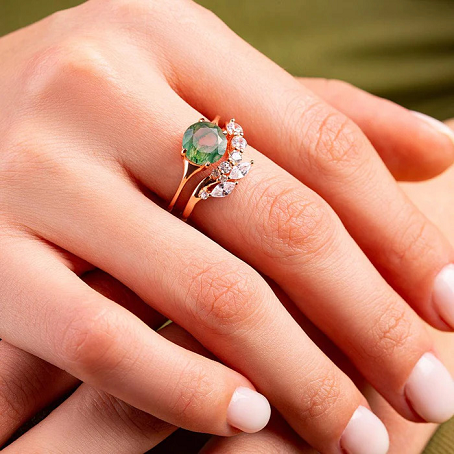
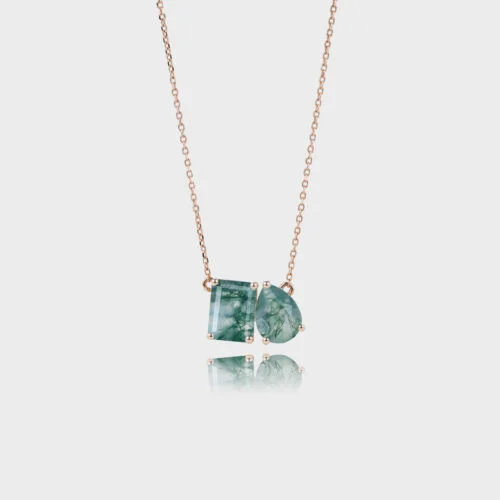
Green agate is one of the most visually distinctive categories within the agate family. Its color can range from pale sage to deeper forest tones, often combined with natural-looking inclusions that create organic patterns inside the stone.
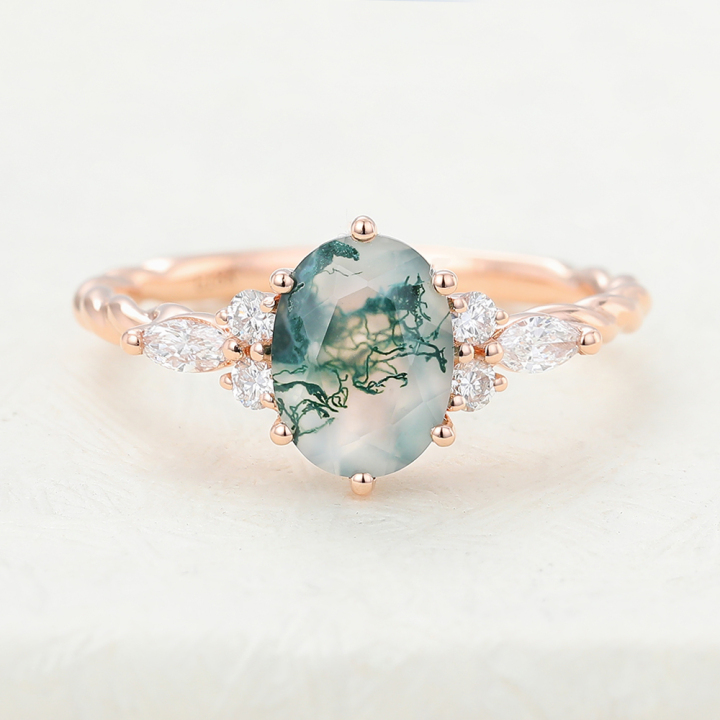
One particularly well-known variety is moss agate. Despite its name, moss agate doesn’t actually contain plant material. Instead, its branch-like or mossy patterns are formed by mineral inclusions that spread through the stone during its growth. The result looks remarkably like foliage, roots, or landscapes captured in stone.
This natural imagery is a major reason why green agate is so closely associated with nature-inspired jewelry. Many people are drawn to it not just for its color, but for the sense of calm and connection it evokes. A moss agate ring, for example, often appeals to those who appreciate organic design and want a piece that feels symbolic rather than purely decorative.
Green agate tends to feel balanced and timeless. It doesn’t rely on brightness to stand out, but instead draws attention through texture and detail—making it especially appealing to those who value subtle beauty over bold statements.

VI. How to Choose an Agate Color That Fits Your Style
With so many color variations, choosing the right agate can feel overwhelming at first. Instead of focusing on which color is considered “best,” it helps to think about how the stone fits into your personal style and daily life.
If you prefer neutral clothing and subtle accessories, softer agate tones like white, gray, or muted blue often blend effortlessly into your wardrobe. These colors feel calm and versatile, making them easy to wear over time.
For those who enjoy expressive or artistic pieces, warmer agate shades—such as red, orange, or brown—can add depth and personality without feeling overpowering. Green agate, especially varieties with natural patterns, often appeals to people who feel connected to nature or value symbolism in their jewelry.
Agate is not about perfection or uniformity. Let your eye guide you. If a particular stone consistently draws your attention, that natural attraction is often a better guide than trends or rules.

VII. Is Color an Indicator of Agate Quality?
A common misconception is that certain agate colors are more valuable or higher quality than others. In reality, color alone does not determine the quality of agate.
What matters more is how the color appears within the stone. Natural-looking transitions, balanced patterns, and a sense of depth usually indicate a well-formed agate. Stones that feel overly uniform or artificial in color may have been heavily treated, which doesn’t necessarily make them unusable—but it does change their character.
High-quality agate often stands out because it looks natural and visually harmonious, not because it is rare or intensely colored. Many collectors and jewelry lovers value agate precisely because it celebrates variation rather than perfection.

VIII. Conclusion: The Beauty of Agate Lies in Its Natural Variety
Agate does not fit neatly into a single color category—and that is exactly what makes it special. From soft neutrals to rich earth tones and nature-inspired greens, each agate tells a visual story shaped by time and environment.
Rather than searching for the “right” color, the most meaningful approach is to choose an agate that resonates with you personally. Its patterns, tones, and subtle shifts are what give it character and lasting appeal.
In the end, agate’s beauty isn’t defined by color labels, but by the way each stone reflects the quiet complexity of the natural world.