Understanding healthcare terminology is essential for providers, patients, caregivers, and businesses operating in the medical space. One term that frequently appears in clinical settings, insurance documentation, and healthcare operations is DME. Many people ask, what is a dme, and why is it so important in modern healthcare systems?
This comprehensive guide answers that question in detail. We will explore the definition of DME, its role in patient care, common examples, regulatory considerations, reimbursement processes, and emerging trends shaping the future of durable medical equipment. Whether you are a healthcare professional, a business owner, or a patient, this article will give you a deep and practical understanding of DME.
What Is a DME? Definition and Core Meaning
To begin with, what is a dme in healthcare terms?
DME stands for Durable Medical Equipment. It refers to medical devices and equipment that are designed for long-term use to assist patients in managing medical conditions, recovering from illness or surgery, or improving their quality of life. Unlike disposable medical supplies, DME is built to withstand repeated use over an extended period of time.
In most healthcare systems, particularly in the United States, DME is defined by several core characteristics:
It is durable, meaning it can be reused multiple times.
It is medically necessary and prescribed or recommended by a healthcare professional.
It is primarily used for medical purposes, not general convenience.
It is suitable for use in the home, although it may also be used in hospitals or care facilities.
It is not typically useful to someone without an illness or injury.
These criteria help distinguish DME from other healthcare products such as consumables, over-the-counter wellness items, or purely lifestyle devices.
The Importance of DME in Modern Healthcare
Durable medical equipment plays a critical role in patient care across many medical disciplines. DME supports independence, reduces hospital stays, lowers healthcare costs, and improves long-term outcomes.
Some of the key benefits of DME include:
Enabling home-based care: Patients can recover or manage chronic conditions in their own homes.
Improving mobility and independence: Equipment such as wheelchairs and walkers allows patients to remain active.
Enhancing safety: Devices like hospital beds and oxygen equipment reduce risks and complications.
Reducing strain on healthcare systems: DME helps prevent unnecessary hospital admissions and readmissions.
As healthcare continues to shift toward outpatient and home-based models, the role of DME is becoming increasingly significant.
Common Examples of Durable Medical Equipment
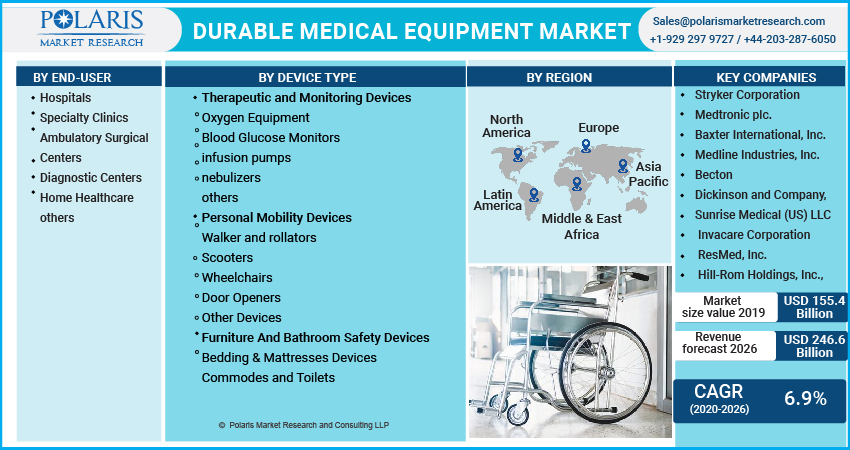
To better understand what is a dme in practical terms, it helps to look at common examples. DME covers a wide range of equipment used across different medical conditions and patient needs.
Mobility Equipment
Manual and powered wheelchairs
Walkers and rollators
Canes and crutches
Scooters
These devices support patients with limited mobility due to injury, surgery, aging, or chronic illness.
Respiratory Equipment
Oxygen concentrators and tanks
CPAP and BiPAP machines
Nebulizers
Ventilators (home-use models)
Respiratory DME is essential for patients with conditions such as COPD, sleep apnea, asthma, or respiratory failure.
Hospital and Home Care Equipment
Hospital beds
Bedside commodes
Patient lifts and transfer devices
Pressure-relief mattresses
These items support daily care, comfort, and safety for patients who require assistance at home or in long-term care settings.
Monitoring and Therapeutic Devices
Blood glucose monitors
Infusion pumps
Traction equipment
TENS units
Such equipment helps patients and clinicians monitor health conditions and deliver ongoing therapy.
DME vs. Medical Supplies: Understanding the Difference
A common source of confusion is the distinction between DME and medical supplies. While both are used in patient care, they serve different purposes.
Durable medical equipment is reusable and long-lasting. In contrast, medical supplies are typically disposable or designed for short-term use. Examples of medical supplies include:
Bandages and gauze
Syringes and needles
Gloves and masks
Catheters (often classified separately)
Understanding this difference is important for billing, insurance coverage, and inventory management in healthcare organizations.
Who Uses DME?
DME serves a wide range of users across the healthcare ecosystem.
Patients
Patients are the primary users of durable medical equipment. DME helps them manage chronic conditions, recover from surgery, or maintain independence despite physical limitations.
Caregivers and Families
Caregivers rely on DME to safely support loved ones at home. Equipment like patient lifts and hospital beds reduces physical strain and improves care quality.
Healthcare Providers
Doctors, nurses, therapists, and home health agencies prescribe, monitor, and support the use of DME as part of treatment plans.
DME Suppliers and Providers
Specialized companies supply, deliver, maintain, and educate users about durable medical equipment. These providers play a key role in patient outcomes and compliance.
The Role of DME in Chronic Disease Management
Chronic diseases account for a significant portion of healthcare spending and patient burden worldwide. DME is a cornerstone of effective chronic disease management.
For example:
Patients with diabetes use glucose monitors and insulin pumps.
Individuals with sleep apnea rely on CPAP devices.
Patients with mobility impairments use wheelchairs and walkers long-term.
People with respiratory conditions depend on oxygen therapy equipment.
By enabling consistent treatment and monitoring, DME helps prevent complications and supports long-term stability.
Prescription and Medical Necessity
One of the defining elements of DME is medical necessity. In most healthcare systems, DME must be prescribed or authorized by a licensed healthcare provider.
A typical DME prescription includes:
Patient diagnosis
Type of equipment required
Duration of use
Medical justification
This documentation is essential for insurance coverage and compliance. It also ensures that patients receive appropriate equipment tailored to their needs.
Insurance Coverage and Reimbursement
Insurance coverage is a major consideration when discussing what is a dme. Durable medical equipment is often covered by public and private insurers, but coverage rules can be complex.
Key Factors Affecting Coverage
Medical necessity documentation
Type of equipment
Rental vs. purchase models
Supplier accreditation
Patient eligibility and plan specifics
Some DME is rented for a period before ownership transfers, while other equipment is purchased outright. Understanding these reimbursement models is critical for both patients and providers.
Compliance, Regulations, and Standards
DME is subject to strict regulations to ensure patient safety and quality. Regulatory frameworks vary by country but generally include:
Product safety standards
Supplier licensing and accreditation
Quality assurance and maintenance requirements
Data privacy for connected devices
Compliance is especially important as more DME devices become connected and data-driven.
Technology and Innovation in DME
The DME industry is evolving rapidly due to technological advancements. Modern durable medical equipment is becoming smarter, more efficient, and more patient-friendly.
Key Innovations Include:
Smart sensors and remote monitoring
Cloud-connected devices
AI-driven predictive maintenance
Lightweight and ergonomic designs
These innovations improve patient adherence, enable proactive care, and reduce long-term costs.
DME and Home Healthcare Growth
The rise of home healthcare has significantly increased the demand for durable medical equipment. Patients prefer receiving care at home whenever possible, and healthcare systems encourage this model to reduce costs and improve outcomes.
DME enables:
Post-surgical recovery at home
Long-term care outside institutional settings
Aging-in-place strategies for older adults
As populations age globally, the importance of DME will continue to grow.
Challenges in the DME Industry
Despite its importance, the DME sector faces several challenges:
Complex reimbursement processes
Regulatory compliance burdens
Equipment maintenance and logistics
Patient education and adherence
Cost pressures and margin constraints
Addressing these challenges requires collaboration between providers, suppliers, policymakers, and technology companies.
The Business Side of DME
From a business perspective, DME represents a significant segment of the healthcare market. Companies involved in manufacturing, distributing, and servicing DME must balance clinical quality with operational efficiency.
Key business considerations include:
Inventory management
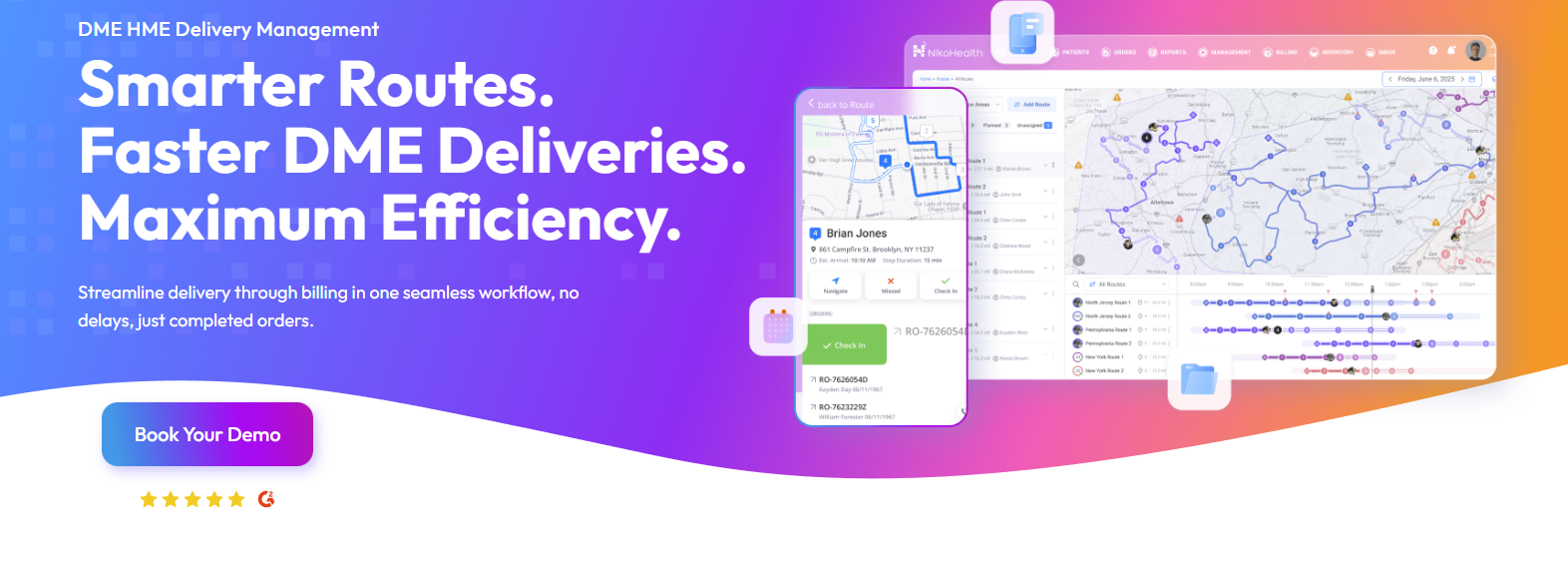
Delivery and setup logistics
Customer support and training
Billing and reimbursement workflows
Compliance and audits
Digital transformation is playing a major role in improving these processes.
Future Trends Shaping DME
Looking ahead, several trends are expected to redefine what is a dme in practice:
Greater integration with telehealth platforms
Increased use of wearable and connected devices
Value-based care influencing DME utilization
Personalized equipment based on patient data
Sustainability and eco-friendly equipment design
These trends will further embed DME into the broader digital health ecosystem.
Why Understanding DME Matters
Understanding durable medical equipment is essential for anyone involved in healthcare decision-making. For patients, it means better access to tools that improve quality of life. For providers, it ensures appropriate care delivery. For businesses, it opens opportunities for innovation and growth.
Knowing what is a dme is not just about definitions—it is about understanding how healthcare is delivered, supported, and transformed through practical tools that make a real difference in people’s lives.
Conclusion
Durable medical equipment is a foundational component of modern healthcare. From mobility aids and respiratory devices to advanced monitoring systems, DME empowers patients, supports caregivers, and enables efficient care delivery outside traditional clinical settings.
By understanding what qualifies as DME, how it is prescribed and reimbursed, and how technology is shaping its future, stakeholders can make better decisions and improve outcomes across the healthcare continuum.
As healthcare continues to evolve toward patient-centered, home-based, and technology-driven models, the importance of DME will only continue to grow.