Smart Door Keypads: Enhancing Access Control in Modern Homes
Smart door keypads are electronic access devices that enable keyless entry to residential properties. Integrated with smart locks, these systems allow users to unlock doors using numeric codes, biometric authentication, or app-based controls. As part of modern home security ecosystems, door keypads improve convenience, strengthen access management, and reduce reliance on physical keys.
What a Door Keypad Does
A door keypad functions as an external authentication interface for a smart lock. Instead of using a traditional mechanical key, users enter a predefined access code or authenticate via biometric input, such as a fingerprint. Once verified, the keypad communicates wirelessly with the lock to grant access. This approach enables flexible control over who can enter a property and when, without the need to distribute or collect physical keys.
Core Features of Smart Door Keypads
Modern smart keypads are designed to balance security, usability, and reliability. Their features are optimized for everyday residential use.

Numeric Code Entry
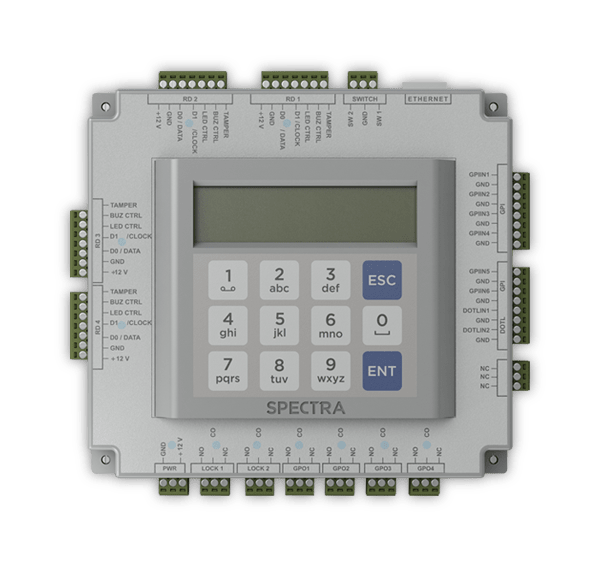
The primary function of a door keypad is numeric code entry. Homeowners can assign unique access codes to family members, guests, or service providers. These codes can often be set with usage limits or time restrictions, making them suitable for temporary or scheduled access scenarios.
Biometric Authentication
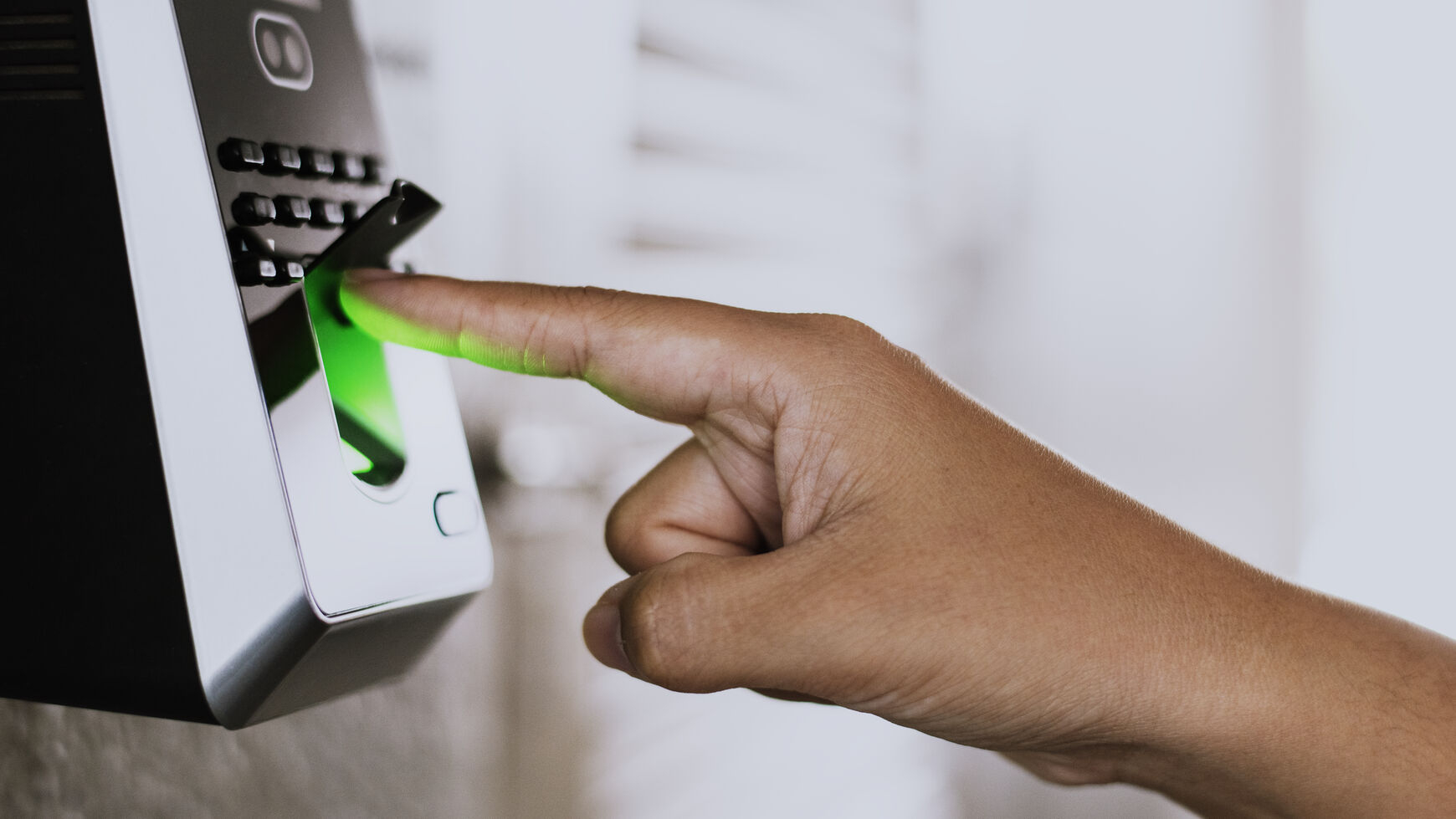
Advanced door keypads may include fingerprint recognition technology. Biometric authentication provides faster access while increasing security, as fingerprints are unique and difficult to replicate. Multiple fingerprints can typically be registered, allowing individual access credentials for different users within the household.
One-Touch Locking
Many smart keypads support one-touch locking functionality. With a single press on the keypad, users can secure the door when leaving, without opening an app or using a key. This simplifies daily routines and reduces the likelihood of doors being left unlocked.
Battery-Powered Operation
Smart door keypads are usually battery-powered and operate independently of wired electrical systems. This design allows flexible placement near the door frame and simplifies installation. Battery status alerts help ensure uninterrupted operation by notifying users when replacement is required.
Advantages of Using a Smart Door Keypad
Door keypads provide several practical benefits compared to traditional locking methods.

Keyless Convenience
By eliminating physical keys, smart keypads reduce the risk of lost, stolen, or duplicated keys. Users can enter their home quickly using a personal code or fingerprint, improving convenience during daily entry and exit.
Flexible Access Management
Smart keypads enable dynamic access control. Temporary access codes can be created for guests, cleaners, or maintenance personnel and removed when no longer needed. This flexibility is especially useful for households with frequent visitors or shared access requirements.
Improved Security Awareness
When paired with a smart lock and mobile application, door keypads can generate access logs. These logs record when a code or fingerprint is used, allowing homeowners to review entry activity and maintain awareness of door usage.
Integration With Smart Locks and Home Systems
Smart door keypads are designed to work in conjunction with compatible smart locks. When integrated, they become part of a broader digital access control system.
App-Based Control
Through a connected mobile app, users can manage access codes, add or remove users, and receive notifications about door activity. This remote control capability allows access management even when the homeowner is away from the property.
Guest and Service Access
For short-term access needs, such as guest visits or service appointments, homeowners can issue temporary codes without being physically present. These codes can be limited by date or usage count, ensuring controlled and predictable access.
Common Use Cases
Smart door keypads are suitable for a wide range of residential scenarios:
Daily Household Access: Simplifies entry for family members without keys.
Guest Management: Provides temporary access for visitors.
Service Personnel: Enables scheduled access for cleaners or technicians.
Rental Properties: Supports controlled access without key exchanges.
Security Best Practices
To maintain effective access control, certain best practices should be followed.
Unique Code Management
Each user should be assigned a unique access code. Codes should be updated regularly, especially after temporary access periods end, to prevent unauthorized reuse.
Biometric Enrollment Control
When biometric authentication is used, only trusted individuals should be enrolled. Removing fingerprints promptly when access is no longer required helps maintain system integrity.
Monitoring and Alerts
Enabling access notifications and reviewing entry logs improves security awareness. Monitoring access patterns allows homeowners to detect unusual activity early.
Conclusion
Smart door keypads modernize home access by providing secure, flexible, and keyless entry solutions. Through numeric codes, biometric authentication, and integration with smart locks and mobile apps, these devices enhance both convenience and security. When configured and managed correctly, door keypads offer reliable access control while reducing the limitations associated with traditional keys.