


Beneath the visual harmony of a cobblestone street or the imposing grandeur of a brick cathedral lies a silent, often overlooked language: the language of precise geometry. Professional masonry is an exercise in applied mathematics, where tolerances are measured in millimeters and structural integrity is born from exact angles and perfectly leveled planes. This is not mere construction; it is the art of shaping space and defining form through the meticulous placement of elemental units. The craftsman’s level, trowel, and string line are tools of measurement as much as they are tools of creation, orchestrating a symphony of individual pieces into a cohesive, enduring whole. For projects where this exacting precision is non-negotiable, the skill of seasoned http://www.fairfieldmasonrypros.com/ is the essential force that translates architectural vision into tangible, lasting reality.
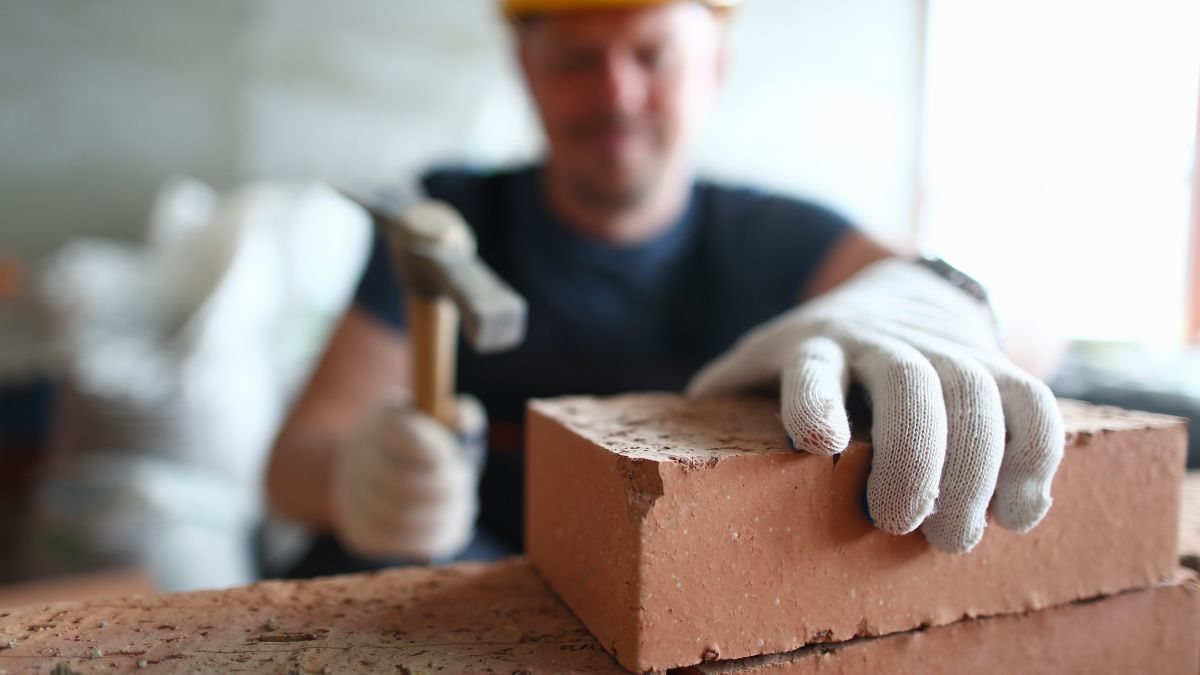
This geometric discipline begins with the fundamental unit: the brick, the block, the stone. Each has its own modular dimension, and the entire project is a multiplication and arrangement of this module. The mason must constantly solve for layout, calculating starting points and bond patterns to minimize cutting and ensure that the coursing aligns perfectly with architectural features like windows and doors. A running bond (the common staggered pattern) requires that vertical joints be offset by half a unit, creating inherent stability. More complex patterns like herringbone, basket weave, or Flemish bond are essentially puzzles on a grand scale, where a single misaligned unit can disrupt the entire visual rhythm and compromise the wall's interlocking strength. The planning happens not on a screen, but in the mason’s mind and in chalk lines snapped on the foundation.
The tools of the trade are ancient in principle but modern in execution, all serving the god of precision. The spirit level, in its multiple lengths, establishes true plumb (vertical) and level (horizontal). The laser level projects an invisible plane of reference across an entire worksite. The string line, stretched taut between two points, creates a perfectly straight guide for each course of masonry. The trowel is wielded not just to apply mortar, but to "butter" the ends of each unit with exacting consistency, ensuring uniform joint thickness. This thickness—typically 3/8 of an inch—is not arbitrary; it is the optimal dimension for strength, weather resistance, and proportion. Maintaining this consistency over thousands of units is a feat of sustained focus and muscle memory.
The true test of this silent geometry comes at the intersections and terminations. Constructing a perfectly square corner, where two walls meet at a precise 90-degree angle, is a foundational skill. Building an arch involves calculating the geometry of the curve (the centering), then cutting and placing wedge-shaped voussoirs so that the compressive force flows perfectly through each stone to the abutments, allowing the arch to stand without any adhesive. Chimneys must be plumb not for aesthetics alone, but to create proper draft, and their construction often involves corbelling—stepping out masonry in precise increments to create a desired form or offset. These are the moments where masonry transitions from craft to applied physics.
The consequences of imprecision are both visible and structural. A wall that is out of plumb places uneven load on its foundation, leading to potential failure. Improperly laid coursing can create weak points susceptible to water infiltration and cracking during freeze-thaw cycles. A patio laid without a precise, consistent slope—a fall of about 1/4 inch per foot—will trap water, leading to puddling, ice hazards, and premature deterioration of the pavers. The geometry is not just for show; it is the blueprint for longevity and performance, ensuring that drainage flows, loads are distributed, and the structure moves as one unified mass.
Engaging with masons who respect this silent language is crucial. Look for work that exhibits laser-straight lines, crisp corners, and uniform joints. Discuss their process for layout and their methods for ensuring long-term alignment. A true professional speaks in terms of tolerance, drainage planes, and control joints—planned lines of weakness that control where cracking occurs in concrete or mortared surfaces. They understand that their work is the permanent substrate upon which all other finishes rely.
In a world of rapid, often disposable construction, precision masonry stands as a testament to deliberate, measured creation. It is the embodiment of the ancient belief that geometry is the language of the universe, here translated into stone, brick, and mortar. The resulting structure does not simply occupy space; it defines it with clarity, order, and an unshakeable sense of permanence. This silent geometry, executed by skilled hands, gives us walls that shelter, arches that inspire, and patios that offer flat, stable planes for human life to unfold—a daily, lived-in testament to the power of perfect alignment.
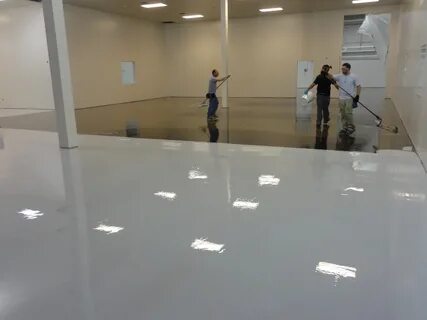
Paint services in Lahore are not only limited to repairing cracks and fading floor paint.
The large numbers of companies now offering epoxy services include the repainting of interiors as well.The most prominent requirement of Epoxy flooring services in Lahore is to repair damages on the floor caused by heavy foot traffic.
They do not get easily damaged and are very long-lasting.
The manufacturers first install a solar shield above the surface of the concrete so that it helps to protect the concrete from any kind of weather damage.When you go for epoxy flooring services in NJ, you are certainly choosing a good company.
There are several firms of this category in NJ, and they employ experienced and skilled technicians who have been trained in the field.
To prevent any kind of environmental pollution, the professionals seal the surface.Apart from this, epoxy paint in Pakistan also includes installations for various other floor applications like brick restoration, industrial flooring, and garage flooring.
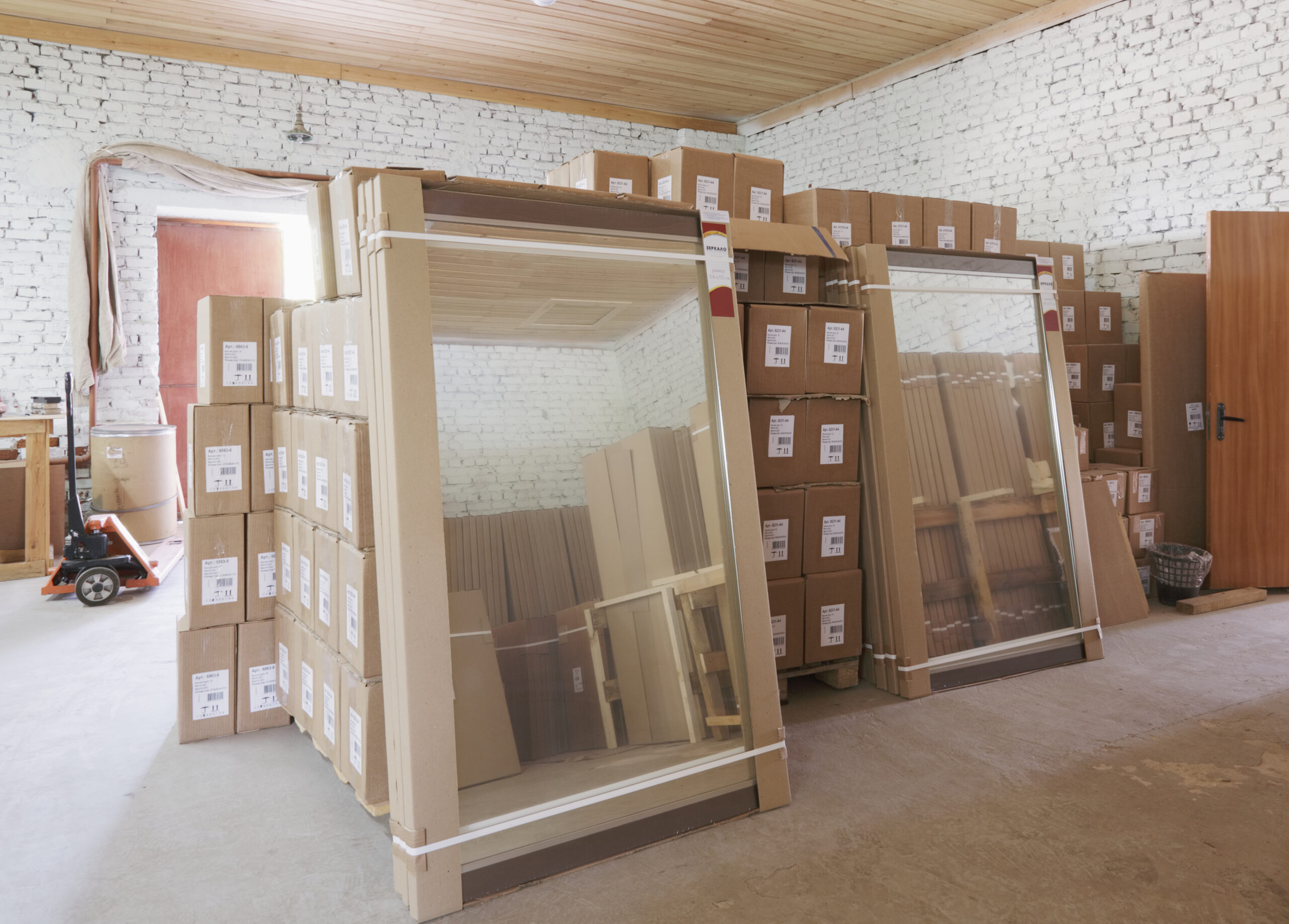
For example, Golden Gate House Removals Godalming Services provides the best in house clearance godalming in Canada.
They offer a wide range of services that includes full or partial renovation of your home or apartment building, including kitchen and bathroom renovation, landscaping and paver replacement, brick restoration, flooring and wall replacements and much more.
The best thing about hiring local house clearance godalmers is that they also offer professional cleaning after the fact.
This will save you a lot of time and money because they will take away all the dirt and grime from your home or building before they begin their work.
They will also make sure that they remove all traces of stains and leakage as well so that your walls and floors look spotless once they are done cleaning up!Another great company that provides house clearance godalming services in Canada is Angels with Dirty Faces.
They offer a variety of services including total renovation of your home from foundations to top.