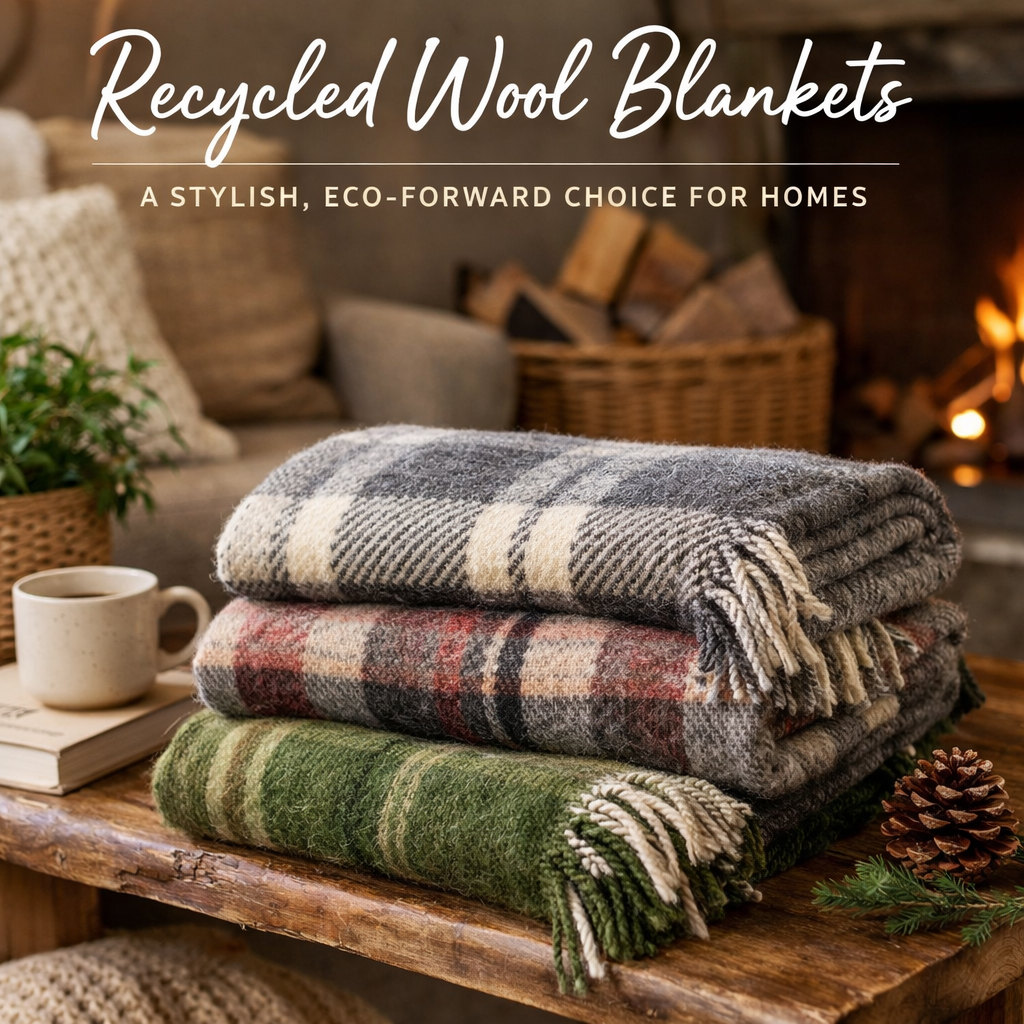
Sustainability is no longer a trend; it has become a lifestyle choice that shapes how people shop, decorate their homes, and select everyday essentials. Among the many eco-conscious home products gaining popularity, recycled wool blankets stand out for their warmth, durability, and planet-friendly footprint. These blankets have evolved from basic utility items to stylish home accessories that combine comfort with environmental responsibility.
With rising awareness about textile waste and responsible living, modern homeowners are choosing materials that are both beautiful and conscious. This shift has also encouraged manufacturers and wool suppliers in India to explore innovative, recycled alternatives that reduce environmental impact while offering high-quality products. Companies like Jindaltex have played an important role in elevating recycled wool into mainstream home textiles.
This article explores why recycled wool blankets are becoming an eco-forward choice for homes, how they are made, and what makes them a smart investment for the future.
1. The Growing Popularity of Recycled Wool in Home Textiles
Consumers today want products that reflect their values of durability, sustainability, and minimal environmental harm. Recycled wool meets all these expectations.
Every year, vast quantities of wool garments and textile waste end up in landfills. The recycled wool process repurposes this waste into new fibers, significantly reducing raw material usage, energy consumption, and carbon footprint. As a result, recycled wool blankets have become an appealing choice for environmentally conscious buyers.
Brands are now introducing collections that showcase modern patterns, soft textures, and stylish color combinations. The growing availability of fashionable options makes these blankets not only eco-smart but also aesthetically appealing.
2. How Recycled Wool Blankets Are Made?
The production process of recycled wool blends traditional spinning expertise with modern recycling techniques. It generally includes:
a. Collection and Sorting
Old wool garments, textile scraps, and pre-consumer waste are collected. Skilled professionals sort the materials based on color, fiber quality, and texture.
b. Shredding and Fiber Recovery
The sorted textiles are shredded into fibers. Since recycled wool fibers are shorter, they are often blended with other fibers to improve durability.
c. Carding and Spinning
Recovered wool fibers are carded to align them and spun into new yarns. Companies like Jindaltex, known for their commitment to cleaner production, use high-precision spinning systems to ensure uniformity and softness.
d. Weaving and Finishing
The yarn is woven into fabric and finished with softening, brushing, or washing treatments to enhance comfort.
This closed-loop system minimizes waste and produces high-quality results suitable for home textiles.
3. Key Reasons Why Homeowners Prefer Recycled Wool Blankets
Modern consumers look for value, sustainability, and long-lasting quality, and recycled wool delivers all three.
1. Eco-Friendly Material Choice
Recycling wool uses far less energy and water than manufacturing new wool. It reduces dependency on sheep farming, which helps lower environmental pressure.
2. Excellent Warmth and Durability
Despite being recycled, the inherent properties of wool remain:
- Superior insulation
- Breathable comfort
- Long-term durability
- Moisture resistance
3. Stylish, Contemporary Designs
Today’s recycled blankets come in modern patterns, minimalistic hues, and luxurious textures that suit every home style—from Scandinavian to rustic to contemporary.
4. Budget-Friendly Alternative
Because processing recycled wool requires fewer resources, these blankets are often more affordable than pure virgin wool options.
5. Hypoallergenic and Safe
Wool naturally resists dust, mold, and bacteria, making it ideal for families looking for healthier home textiles.
4. Innovations Driving the Recycled Wool Market
Top manufacturers and wool suppliers in India are investing in innovations to enhance the appearance, feel, and performance of recycled wool textiles.
Some notable advancements include:
a. Improved Fiber Blending
Combining recycled wool with polyester, recycled cotton, or acrylic helps improve strength while maintaining softness.
b. Advanced Finishing Techniques
Modern brushing and washing processes provide smoother, softer textures, making the blankets feel more premium.
c. Low-Impact Dyeing
Many producers now use eco-friendly dyes or color-sorting techniques that drastically reduce chemical usage.
d. Higher Color Consistency
Technology-driven sorting and blending processes ensure better uniformity, which was previously a challenge in recycled wool.
These advancements position recycled wool as a strong competitor to mainstream home textiles.
5. Why Recycled Wool is a Smarter Choice Than Synthetic Alternatives?
Consumers are increasingly moving away from synthetic blankets due to concerns about microplastics, chemical processing, and short lifespan. Wool, on the other hand, is natural, biodegradable, and extremely durable.
Recycled wool offers these added advantages:
- Lower environmental impact
- Better breathability
- Enhanced temperature regulation
- Longer product life
- Natural odor resistance
Choosing a wool-based product also helps reduce reliance on petroleum-based textiles, making households more eco-conscious.
6. The Role of Manufacturers and Suppliers in Promoting Sustainability
The rise of recycled wool wouldn’t be possible without responsible manufacturing practices. Leading companies such as Jindaltex have adopted energy-efficient recycling systems, sustainable dye methods, and modern blending technologies to ensure high-quality recycled wool fabrics.
Similarly, every recycled wool supplier contributing to the ecosystem focuses on ensuring that the recycled fibers meet global standards of durability and comfort.
Manufacturers and suppliers also invest in customer education—helping brands and consumers understand the environmental benefits of recycled wool and its value in home textiles.
7. How to Choose High-Quality Recycled Wool Blankets?
Not all recycled wool products are made the same. Here are essential factors to consider:
Fiber Blend Composition
Look for balanced blends that provide softness and strength.
Weave Quality
A tight weave indicates better durability and insulation.
Finishing Standards
Well-finished blankets feel smooth and have minimal shedding.
Supplier Reputation
Choose brands with transparent production processes and good customer feedback.
Working with an experienced recycled wool supplier ensures you receive consistent quality and ethically sourced materials.
8. Recycled Wool Blankets in Modern Home Décor
Recycled wool is becoming a favorite among interior designers due to its versatility. These blankets add visual warmth and a comforting texture to:
- Bedrooms
- Reading corners
- Sofas
- Rustic cabin-style décor
- Minimalist living spaces
They can be layered, draped, or neatly folded to enhance the aesthetic appeal of any room.
Additionally, brands now offer multiple colorways, stripes, checks, solids, geometric patterns, and artisanal weaves, making it easy to match them with different interior styles.
9. The Future of Recycled Wool in Home Textiles
The global textile industry is moving strongly toward circular production. As a result, recycled wool is expected to become a standard, not an exception.
Market trends show:
- Increasing demand for reprocessed fibers
- Rising consumer preference for natural textiles
- Large-scale adoption by home décor brands
- Growth of eco-friendly winter essentials
- Wider availability from both large mills and boutique producers
With companies like Jindaltex driving sustainable manufacturing, recycled wool blankets will continue to gain popularity in mainstream retail and export markets.
Conclusion
Recycled wool blankets combine warmth, beauty, durability, and eco-responsibility, making them the perfect choice for modern homes. They represent a powerful shift toward conscious living, reduced waste, and sustainable comfort. With top manufacturers and wool suppliers in India adopting innovative recycling practices, the market is evolving rapidly.
Whether you’re a homeowner, retailer, or interior designer, choosing recycled wool contributes to a cleaner planet and a more responsible textile future. As demand continues to rise, the role of each recycled wool supplier becomes even more important in shaping environmentally friendly home essentials.
Recycled wool blankets are not just a trend; they are a meaningful step toward sustainable living.